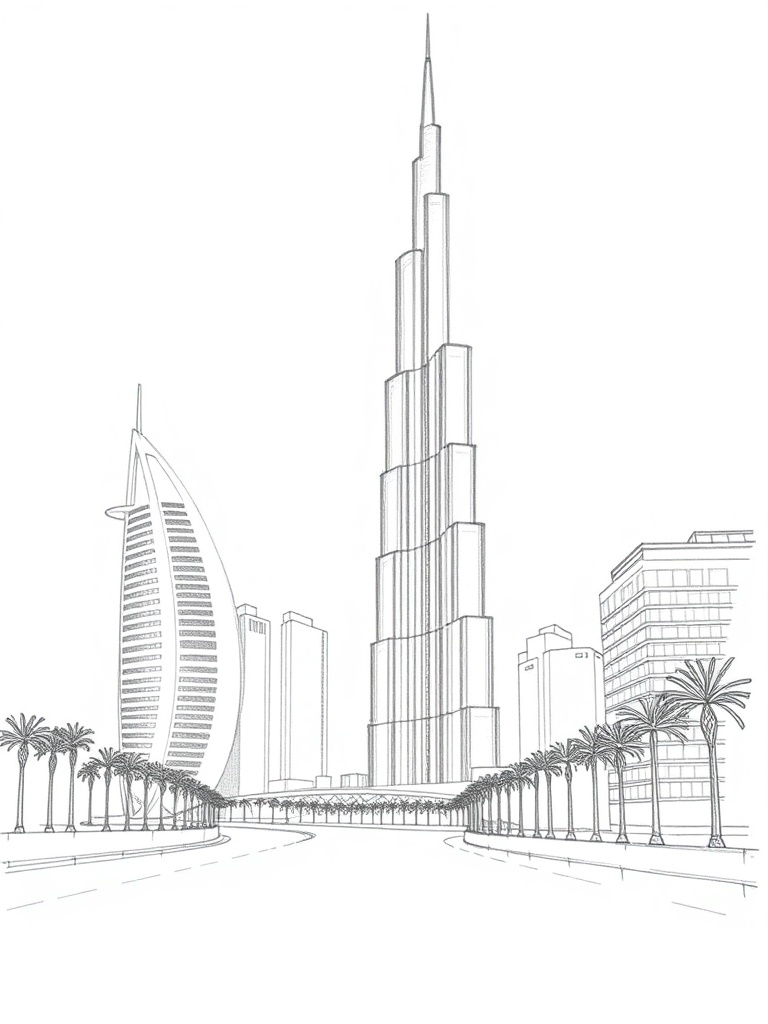
Dubai is reshaping perceptions of modern city life by blending bold architecture and luxury with practical sustainability and smart-city innovations.
The result is an urban landscape that attracts visitors, businesses, and residents who want convenience and comfort without sacrificing environmental responsibility.
A new face of urban sustainability
Dubai’s skyline still dazzles, but attention is shifting toward how buildings and neighborhoods perform. Developers and regulators are pushing energy-efficient design, water-saving systems, and smarter waste handling across commercial towers and residential communities.
Solar farms and rooftop arrays are increasingly common, powering neighborhoods and reducing reliance on traditional power sources.
District cooling, combined with advanced insulation and glazing, lowers energy demand for large developments while improving occupant comfort.
Smart mobility and public transport
Mobility is evolving beyond luxury cars. A growing network of metro lines, tram connections, and bus rapid transit systems make many parts of the city accessible without driving.
Electric vehicle charging stations are multiplying across malls, hotels, and office parks, and ride-share options, scooters, and bike routes provide flexible last-mile choices.
For commuters and visitors, this means shorter, greener journeys and fewer parking headaches.
Neighborhoods designed for living, not just living large
Mixed-use districts put homes, shops, parks, and workspaces within walking or cycling distance. New communities prioritize green spaces, pedestrian-friendly streets, and water features that cool microclimates naturally.
Parks, urban farms, and mangrove restoration projects are becoming integral to planning, supporting biodiversity and giving residents outdoor options close to home.
Cultural and creative growth
Beyond skyscrapers, Dubai’s cultural scene is thriving.
Galleries, art districts, and boutique theaters bring local and international creativity together.
Historic neighborhoods with preserved architecture offer a counterpoint to modern developments, creating diverse experiences that appeal to residents and tourists alike.
Business-friendly environment with sustainable finance
Dubai’s business ecosystem remains competitive, with free zones and streamlined setup processes attracting startups and international firms. There’s growing interest in green finance and sustainable investment vehicles, which support energy projects, eco-friendly developments, and circular-economy ventures. For companies focused on sustainability, Dubai offers access to capital and partners who understand long-term value.
What visitors and residents should look for
– Choose hotels and residences with green certifications or visible sustainability features like solar panels and water-saving fixtures.
– Use public transit or shared mobility options to reduce travel costs and environmental impact.
– Explore cultural neighborhoods and community markets to experience local life beyond the main tourist attractions.
– Seek out outdoor spaces and waterfront promenades for cooler, shaded leisure time.
Opportunities and challenges ahead
The city has momentum in adopting clean technologies and smart infrastructure, but challenges remain. Water scarcity, desert heat, and the need for resilient energy systems require ongoing innovation. Continued investment in efficient buildings, renewable energy, and circular waste systems will be essential for long-term success.
Dubai’s trajectory shows how a city known for scale and spectacle can also become a testing ground for sustainable urban living. For people who value convenience, cultural variety, and forward-looking infrastructure, Dubai increasingly offers a live-work-play environment built with the future in mind.