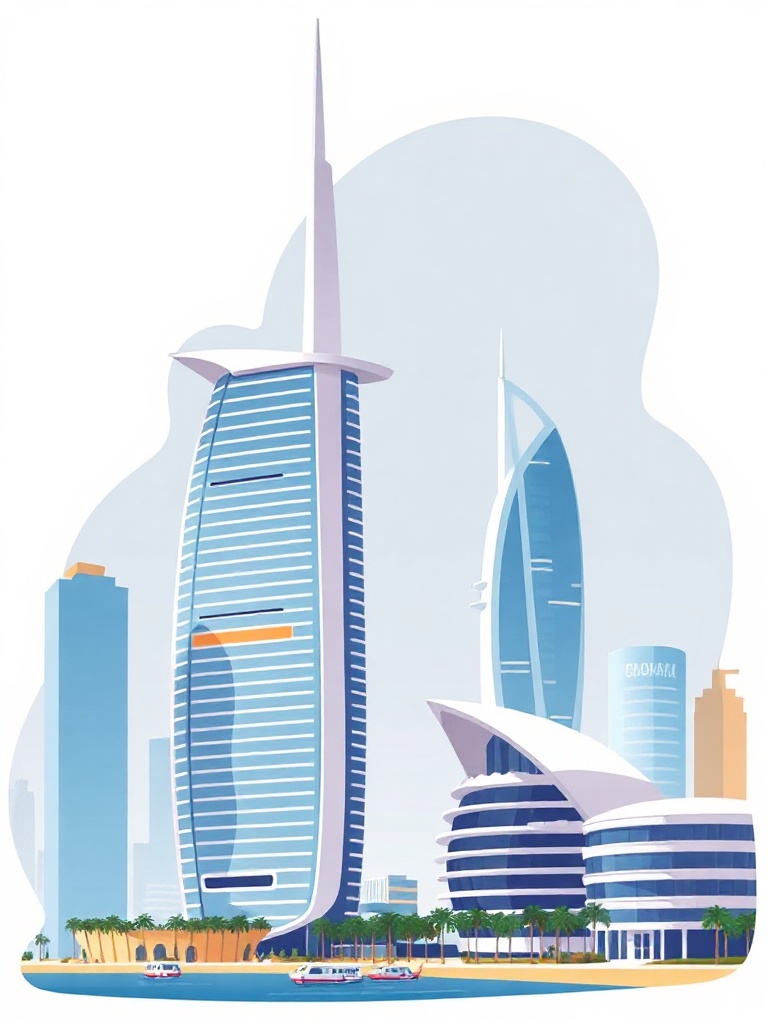
Dubai continues to reinvent itself as a dynamic crossroads of luxury tourism, business innovation, and sustainable ambition. The city’s skyline—dominated by iconic towers and man-made islands—draws attention, but a deeper shift is reshaping what visitors and investors can expect: a blend of high-tech infrastructure, cultural experiences, and greener urban planning.
What to see and do
Dubai’s attractions balance timeless tradition with modern spectacle. Traditional souks and heritage districts offer a counterpoint to glittering malls, world-class restaurants, and landmark architecture. Cultural venues—from performance stages to contemporary art hubs—have been expanding, attracting international exhibitions, cutting-edge galleries, and experiential dining concepts.
Outdoor options such as waterfront promenades, desert safaris, and coastal beaches remain perennial draws for international travelers and residents alike.
Business and investment climate
Dubai’s business environment is purpose-built to attract global capital. A network of free zones and streamlined company registration processes make it straightforward to open regional offices, especially for fintech, logistics, and digital services. Policy adjustments aimed at longer-term residency and flexible work arrangements have increased interest from entrepreneurs and remote professionals seeking a high-quality urban lifestyle with strong connectivity to major markets.
Real estate and living trends
The property sector shows a bifurcated market: prime luxury assets and well-located mid-market units remain in demand, while rental flexibility and amenity-rich developments appeal to mobile professionals. Developers are responding with mixed-use communities that prioritize walkability, green space, and integrated retail. For those considering a move, neighborhoods offering easy transit access, international schooling options, and community services are especially sought-after.
Sustainability and smart city initiatives
Sustainability is central to Dubai’s long-term strategy. Large-scale renewable energy projects, increasingly stringent green building standards, and investment in clean-fuel research highlight a city transitioning toward lower emissions and greater energy efficiency.
Smart-city technology—covering everything from traffic management to digital public services—aims to improve quality of life while reducing resource use.
Electric vehicle infrastructure has been growing, alongside trials of autonomous transport solutions.
Events and lifestyle
A packed calendar of conferences, sporting spectacles, and cultural festivals reinforces Dubai’s role as a global events hub. The city’s hospitality sector keeps innovating with experiential offerings—rooftop wellness, curated culinary trails, and boutique cultural programming—that complement luxury resort stays and family-friendly attractions.
Practical tips for visitors and newcomers
– Plan around milder weather for outdoor activities and desert excursions.
– Book popular attractions and dining experiences in advance, especially during major event periods.
– Choose neighborhoods that match your lifestyle needs—proximity to transit, schools, and green space tends to pay off.
– Look into free-zone benefits and residency options if considering a business move or longer stay.
Why it matters
Dubai’s ability to combine rapid infrastructure development with targeted policy changes has turned it into a flexible hub for travel, commerce, and experimentation. The ongoing emphasis on sustainability and smart technologies suggests the city aims to remain competitive and livable as regional dynamics evolve. For travelers and investors seeking a blend of business opportunity, cultural variety, and modern urban living, Dubai continues to present compelling possibilities.