Dubai is one of those cities that keeps reinventing itself while preserving clear threads of culture and place.
For visitors and residents alike, the contrast between futuristic skyscrapers and intimate historic quarters creates a compact, endlessly discoverable destination.
Here’s a practical guide to getting the most out of Dubai — whether you’re passing through or planning a longer stay.
Where modern design meets heritage
The most iconic skyline vistas give way to calm waterways and narrow lanes within minutes.
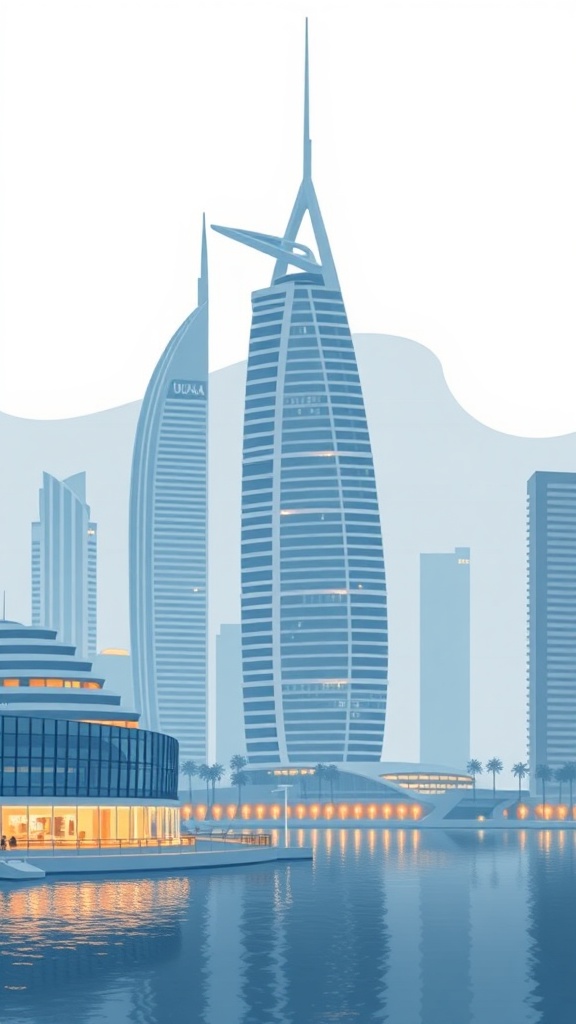
It’s easy to pair a morning visit to the soaring observation deck at the city’s tallest tower with an afternoon wandering through a restored historic neighborhood along the creek. Traditional wind-tower houses, small museums, and spice and gold souks offer a tactile sense of local life that balances the city’s high-end shopping malls and luxury hotels.
Active outdoor life and accessible coastlines
Dubai’s coastline is more than a backdrop. Beaches with soft sand and well-equipped public facilities invite swimming, stand-up paddleboarding, and kite surfing at popular spots. Waterfront promenades in the marina and newer seaside districts are great for running, cycling, and people-watching, while family-friendly beach parks make it easy to relax with kids.
Culinary scene: from Emirati flavors to global kitchens
The dining scene spans humble street eats to award-winning restaurants. Local dishes like slow-cooked lamb, fragrant rice plates, and flatbreads with regional dips can be found in traditional eateries. At the same time, every global cuisine has a strong presence, and food halls and market-style dining areas offer sampling across cultures and price points.
For a true local flavor, try a neighborhood café or a roadside shawarma stand in addition to upscale options.
Smart mobility and easy navigation
Getting around is straightforward thanks to an integrated network of metro lines, trams, and water taxis that connect major districts. Ride-hailing apps and taxis fill gaps, and many central areas are walkable with clear signage.
For short trips, e-scooters and bike-share schemes provide a flexible last-mile option. Payment systems are streamlined across transit modes; loading a travel card or using a mobile app simplifies repeated use.
Business, innovation, and liveability
Dubai’s business districts host a mix of multinational corporations and entrepreneurial hubs. Free-zone areas, coworking spaces, and regular networking events make it easy for professionals to plug into local ecosystems. High-quality infrastructure, international schools, and medical facilities contribute to strong liveability for expatriates and families.
Cultural etiquette and practical tips
Respecting local customs makes for smoother interactions: dress modestly in conservative neighborhoods and public buildings, and be mindful of public displays of affection. Ramadan and other religious observances shape social rhythms, so check opening hours during those periods. Taxis and ride apps are widely available for late-night travel, but some areas may close earlier than expected, so plan accordingly.
Sustainable direction and green spaces
The city has been adding public parks, waterfront greenways, and urban regeneration projects that prioritize walkable streets and shaded spaces. New developments increasingly incorporate energy-efficient design and water-conscious landscaping, making outdoor experiences more comfortable and eco-aware.
Plan with flexibility
Whether you’re chasing landmarks, local food, or a quieter cultural experience, build a flexible itinerary that mixes high-profile attractions with small discoveries. Allow time to simply sit at a café or stroll a side street — some of the best memories come from unplanned moments.