Saudi Arabia is undergoing a striking transformation that’s drawing global attention: a shift from a resource-driven economy toward a more diversified mix of tourism, culture, entertainment, and sustainable development. The country’s rapidly expanding tourism offer — from ancient desert oases to luxury island resorts — is creating fresh opportunities for visitors, investors, and curious travelers.
A richer travel landscape
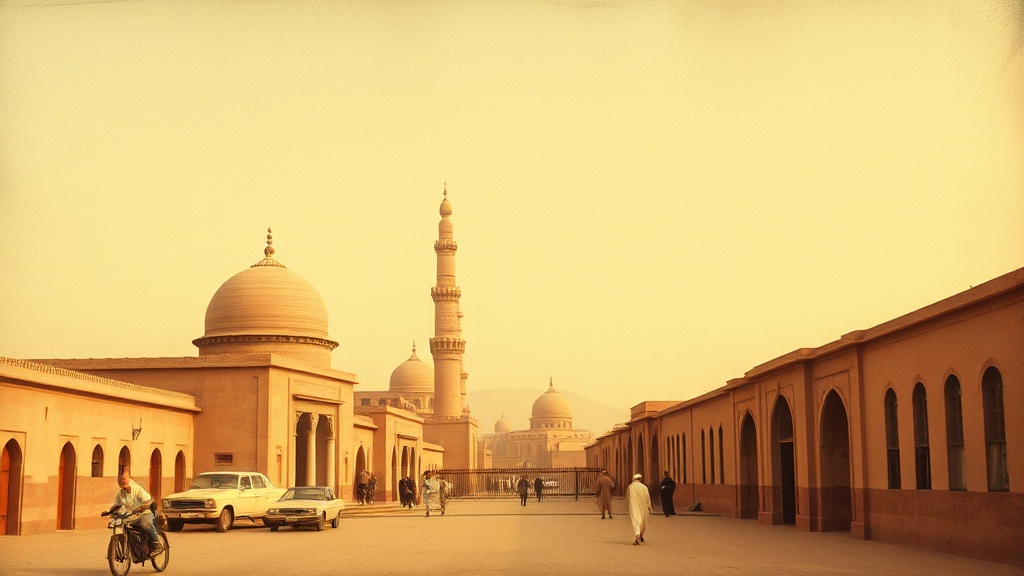
Once known mainly for pilgrimage and business travel, Saudi Arabia now promotes heritage tourism, nature-based escapes, and ultra-luxury coastal experiences. Restored historic sites, archaeological areas, and UNESCO-listed landscapes present a new side of the kingdom that blends centuries-old culture with curated visitor amenities.
Coastal developments and island resorts emphasize low-impact luxury, with a focus on marine conservation and visitor access to pristine coral reefs and desert wilderness.
Cultural and entertainment opening
A growing entertainment sector is helping change perceptions.
Cities are hosting large-scale concerts, international exhibitions, film screenings, and sports events, while new museums and cultural centers showcase art, design, and archaeological collections.
These initiatives are not only attracting leisure travelers but also fostering a domestic creative economy that supports local artists, performers, and entrepreneurs.
Sustainability and innovation
Sustainability is central to many flagship projects. Ambitious coastal and desert developments are being marketed as regenerative tourism destinations that prioritize habitat restoration, renewable energy, and strict environmental controls. Investments in solar and wind technologies aim to reduce dependence on traditional energy sources while powering tourism hubs and cities. For travelers who care about conservation, opportunities exist to support community-based ecotourism, coral rehabilitation programs, and desert preservation initiatives.
Travel tips and cultural etiquette
Understanding local customs will make any visit more rewarding. Dress modestly in public settings and follow local guidelines for clothing; respectful behavior during prayer times is appreciated. Public displays of affection are usually frowned upon, and alcohol remains largely prohibited. For women travelers, the environment has become easier and more inclusive, with expanded access to cultural venues, services, and transportation. Always carry identification and be mindful of local laws and customs to avoid misunderstandings.
Practical planning advice
E-visas and streamlined entry procedures have made planning easier for many nationalities, while improved air links connect the kingdom to major global hubs. Domestic transport options continue to expand, including modern rail connections and upgraded highways that make multi-destination itineraries feasible. High-end accommodations coexist with boutique heritage hotels and desert camps, giving travelers choices across budgets and travel styles.
Why it matters
The country’s pivot toward tourism and culture is reshaping regional travel dynamics. For businesses and investors, expanded hospitality, leisure, and cultural projects present long-term opportunities. For travelers, the combination of untouched nature, living heritage, and contemporary cultural offerings provides compelling reasons to explore beyond the usual itineraries.
Whether you’re drawn to archaeological sites, desert landscapes, coral-rich seas, or a fast-evolving urban cultural scene, Saudi Arabia is positioning itself as a destination that rewards curiosity and responsible travel. Plan with sensitivity to local norms, consider eco-focused experiences, and you’ll discover a destination that’s equal parts ancient and modern.