Dubai keeps evolving as one of the world’s most dynamic cities — a place where ambitious architecture, cultural diversity, and rapid innovation meet.
For travelers, entrepreneurs, and residents alike, Dubai offers a blend of iconic attractions, modern infrastructure, and a forward-looking lifestyle that remains appealing year-round.
What to see and do
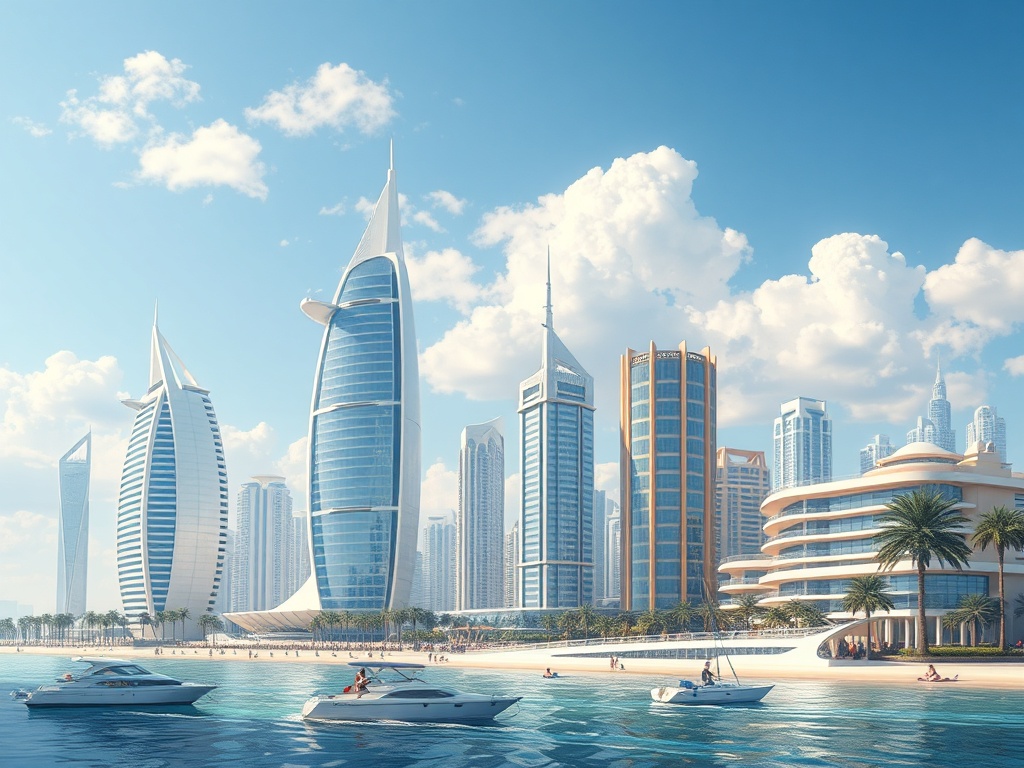
– Iconic skyline: The city’s skyline is a must-see, anchored by towering landmarks and unforgettable waterfront developments. Photo opportunities abound from observation decks, promenades, and rooftop terraces.
– Waterfront lifestyle: Palm-shaped islands, Marina promenades, and lively beach districts combine luxury resorts, family-friendly beaches, and water sports. Boat tours and sunset cruises are popular ways to experience the coastline.
– Cultural quarters: Historic districts and restored wind-tower houses offer a contrast to the modern core.
Strolling old neighborhoods and visiting creekside souks provides a window into traditional trading life and Emirati heritage.
– Food and nightlife: A global food scene ranges from street-food markets to high-end, award-winning restaurants. Expect a strong presence of international chefs and vibrant culinary festivals that highlight regional and world cuisines.
– Creative and arts districts: Contemporary galleries, artist-run spaces, and cultural hubs host exhibitions, performances, and workshops—making the city increasingly relevant on the regional arts map.
Business and investment appeal
Dubai remains attractive for business due to strategic logistics, multiple free zones, and a regulatory environment designed to facilitate trade and investment. The city is a regional gateway for finance, tech, logistics, and tourism.
For entrepreneurs, the combination of modern office infrastructure, access to talent from around the globe, and supportive government initiatives make it conducive to setting up regional operations.
Real estate and living
Residential options are diverse, from high-rise apartments with skyline views to family-friendly villas and gated communities. Rental demand tends to concentrate near business districts, waterfronts, and areas with good transport links. Buyers and renters should weigh neighborhood amenities, commuting times, and lifestyle priorities. Working with a licensed agent and checking the latest market regulations is recommended before making decisions.
Mobility and infrastructure
Public transport is efficient and growing: driverless metro lines, tram networks, and an extensive bus system connect major districts, while taxis and ride-hailing services offer door-to-door convenience. Cycling paths and e-scooters are increasingly available in well-planned neighborhoods, and investments in sustainable transport aim to reduce congestion and emissions.
Sustainability and smart-city initiatives
Sustainability is a major focus as the city expands. Solar energy projects, green building standards, and initiatives to manage water and waste are shaping development. Smart-city technologies — from digital services to mobility apps — improve daily life for residents and visitors, making urban services more accessible and transparent.
Practical tips
– Plan around the weather by choosing cooler months for outdoor activities and beach days.
– Book popular attractions and rooftop experiences in advance to avoid long queues.
– Respect local customs: modest dress in cultural areas and awareness of local norms helps ensure a pleasant visit.
– Use public transport or reputable ride-hailing services for efficient movement across the city.
Dubai continues to balance tradition and futurism.
Whether visiting for tourism, business, or relocation, the city offers a mix of world-class amenities, cultural experiences, and forward-looking developments that keep it on many itineraries and investment radars.