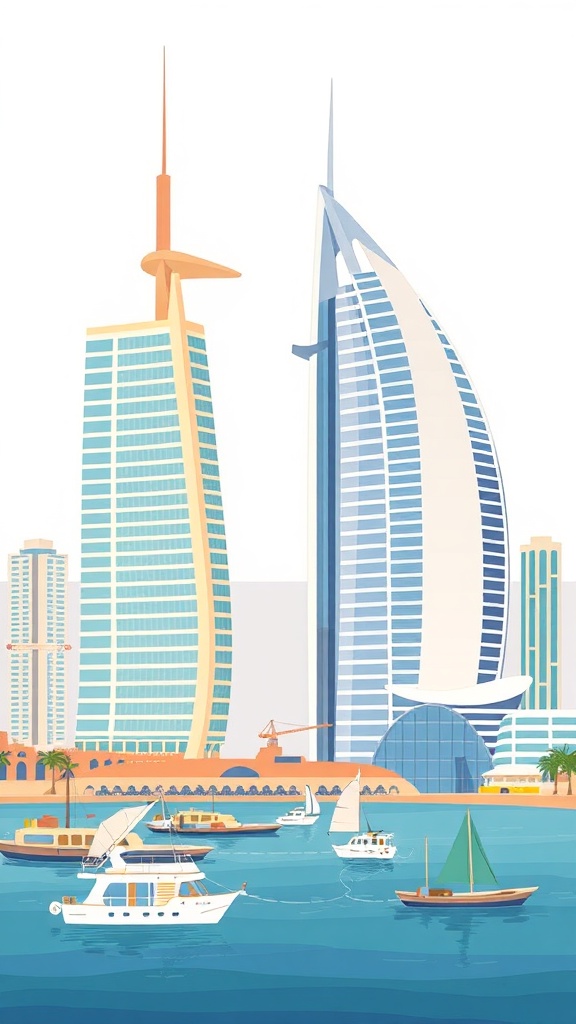
Dubai is evolving beyond skyline spectacles and luxury retail into a testbed for sustainable urban living. From renewable energy investments to eco-conscious hospitality and green finance, the city is blending high-end experiences with initiatives designed to reduce environmental impact — making it a useful case study for anyone watching how fast-growing cities balance growth with sustainability.
Renewable energy and smart infrastructure
Dubai’s energy landscape is shifting toward renewables and smarter grid management. Large-scale solar parks and utility-led clean-energy programs are complemented by distributed rooftop solar and energy-efficiency retrofits across commercial and residential buildings. Smart-meter rollouts and grid-integrated storage are improving load management and helping reduce peak-demand emissions, while public agencies push regulations that raise minimum efficiency standards for new developments.
Green building and sustainable neighborhoods
Developers are increasingly prioritizing green building certifications and low-carbon design. Projects emphasize passive cooling, high-performance glazing, and efficient HVAC systems to reduce energy consumption in the hot climate. Mixed-use sustainable communities offer walkable streets, shaded public spaces, cycling infrastructure, and native landscaping that cut water use and improve liveability. These neighbourhoods demonstrate that luxury amenities and sustainability can coexist — pools, parks, and retail can be designed to use far less energy and water than traditional models.
Sustainable tourism and eco-conscious hospitality
The hospitality sector is responding to visitor demand for eco-friendly travel. Hotels and resorts promote responsible dining, locally sourced ingredients, single-use plastic reduction, and energy-efficient operations. Luxury properties increasingly market wellness and nature-focused experiences — desert conservation programs, marine-protection partnerships, and low-impact leisure activities — appealing to travelers who want refinement without a heavy environmental footprint.
Mobility and electric transport
Electric vehicles and multimodal transport are gaining momentum.
Expanded EV charging networks, incentives for electric taxis and buses, and growing adoption of two- and four-wheel electric personal transport aim to reduce urban tailpipe emissions. Integration of rapid transit, last-mile e-mobility solutions, and pedestrian-first planning improves air quality while easing congestion.
Green finance and corporate sustainability
Financial markets and corporate leaders are supporting the transition through sustainable finance instruments and ESG-linked investments. Banks and investment platforms in the city are increasingly offering green bonds, sustainability-linked loans, and advisory services to help companies decarbonize operations. This financial momentum helps unlock capital for clean-energy projects, green buildings, and circular-economy initiatives.
Challenges and opportunities
Rapid urban growth and a resource-intensive climate present ongoing challenges: water use, cooling demand, and construction-related emissions remain priorities. Progress depends on scaling retrofits, expanding circular-waste systems, and accelerating behavior change among consumers and businesses. Public-private collaboration and policy innovation will be critical to sustain momentum.
What this means for residents and visitors
Residents benefit from improved air quality, smarter services, and neighborhoods that prioritize comfort while lowering utility costs. Visitors can explore cultural landmarks and cutting-edge design while choosing accommodations and activities that support conservation and community initiatives. For businesses, the city’s shift toward sustainability opens new markets in green technology, hospitality, and professional services.
Dubai’s direction shows how a global city can reframe luxury around resilience and resource efficiency. Whether you’re planning a visit, looking to invest, or watching urban innovation, the city’s blend of ambition, investment, and design offers practical lessons for sustainable growth that balance performance with quality of life.