Dubai has long been known for skyline-defining architecture and luxury experiences, but the city is also quietly becoming a testbed for sustainability and climate adaptation. As a destination and a living city, Dubai now blends bold development with initiatives that reduce environmental impact, improve livability, and create new visitor experiences beyond the luxury checklist.
Energy and sustainable buildings
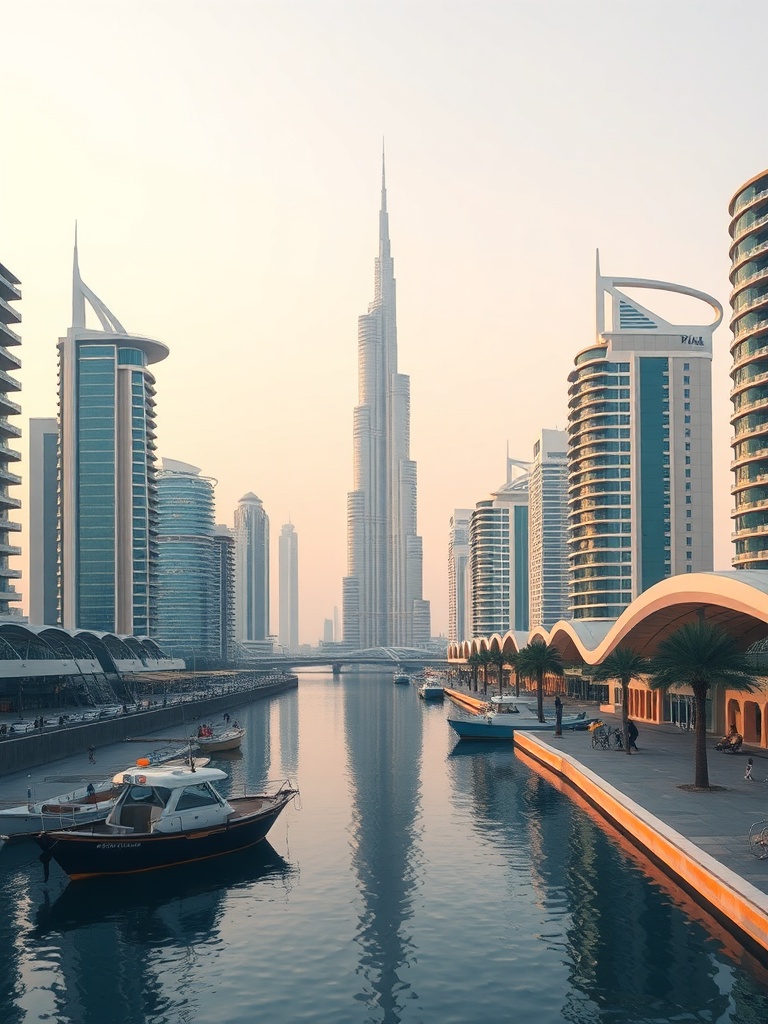
Dubai’s energy strategy centers on large-scale solar projects and retrofitting urban infrastructure. The city’s flagship solar park and distributed rooftop programs support cleaner electricity for commercial and residential use, while utilities roll out smart meters and demand-management tools that help households reduce consumption. Developers increasingly meet green building regulations and pursue international sustainability certifications—expect to see energy-efficient glazing, high-performance insulation, and water-saving fixtures in modern hotels and new neighborhoods.
Mobility and smart transport
Getting around Dubai is easier today with an expanding mix of options: the metro and tram networks provide fast, air-conditioned connections, while electric buses and a growing EV charging network support low-emission drives.
Ride-hailing apps and bike-share schemes fill last-mile gaps. For visitors, this means less reliance on private cars and more predictable travel times—ideal for hopping between museums, retail districts, and waterfront promenades.
Nature and conservation
Dubai’s coastline and mangrove patches are focal points for conservation and recreation.
Protected wetlands attract migratory birds, including flocks of flamingos, and several coastal walkways and parks now emphasize native plantings that require far less irrigation. Desert conservation and responsible dune experiences have also improved, with many operators offering low-impact wildlife viewing and educational guided walks that teach visitors about fragile ecosystems.
Food, urban farming, and circular thinking
Food security and reduced food miles are driving local innovation. Vertical farms and hydroponic operations supply fresh greens to hotels and restaurants, while more outlets highlight seasonal and locally produced ingredients. Hospitality groups are also adopting circular practices—waste audits, food-recovery partnerships, and kitchen-to-compost programs reduce landfill contribution and support community gardens.
Cultural authenticity and new visitor experiences
Beyond skyscrapers and luxury malls, Dubai has invested in preserving historic neighborhoods and showcasing Emirati heritage. Areas with restored wind-tower houses, traditional souks, and cultural centers offer a more intimate counterpoint to modern attractions. Look for guided heritage walks, contemporary arts venues, and food tours that highlight the city’s multicultural culinary scene.
Practical tips for visitors
– Use public transport and shared mobility to avoid traffic and save on parking fees. Metro stations connect efficiently with major attractions.
– Choose accommodations with sustainability credentials if you want to support responsible tourism. Many hotels publish their environmental practices online.
– Bring sun protection and reusable water bottles—tap water is treated and safe, and refilling helps reduce plastic waste.
– Book desert and wildlife experiences with operators who follow conservation guidelines and avoid disrupting habitats.
– Explore neighborhoods on foot or by bike in the cooler parts of the day to experience street life, cafes, and local markets.
Dubai’s story is now one of dual ambitions: continuing to deliver exceptional hospitality and commerce while adopting practices that make the city more resilient and sustainable. For travelers and residents alike, that creates a richer, more varied urban experience—one where innovation and tradition coexist and everyday choices shape a greener future.