The hospitality scene across the Middle East is evolving fast, blending iconic luxury with authentic cultural experiences and a growing focus on sustainability. Whether you’re chasing desert solitude, cosmopolitan nightlife, or a beachfront escape, hotels in the region now offer more diverse, thoughtful options than ever before.
What’s shaping Middle East hotels now
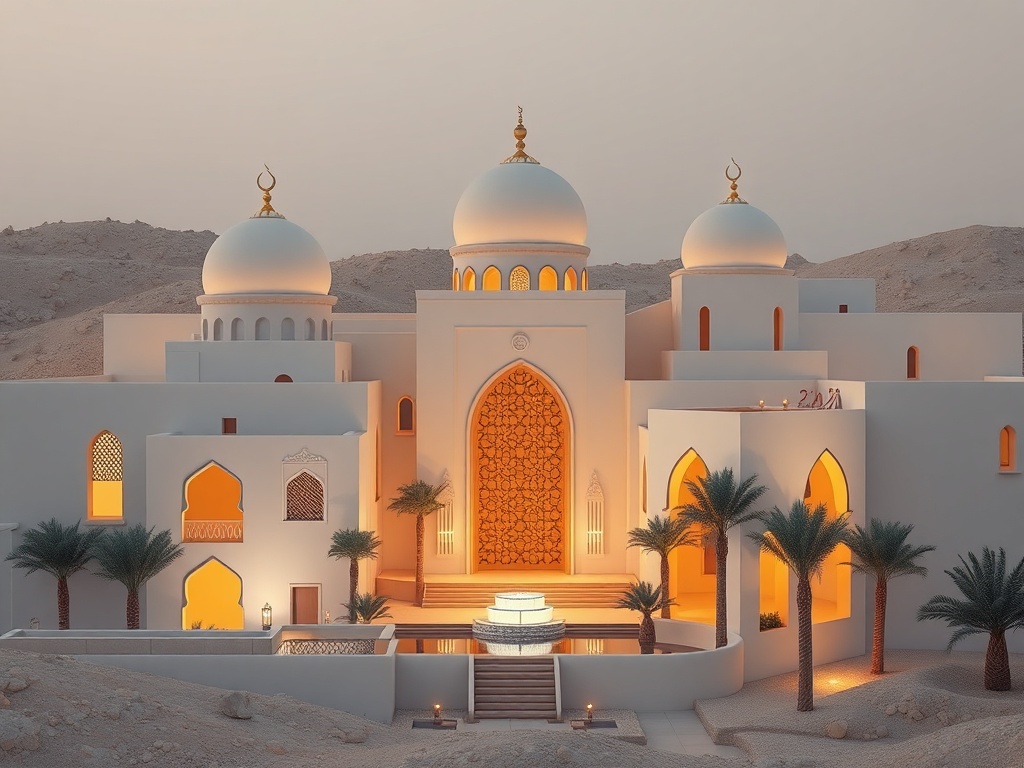
– Elevated design and local storytelling: Leading properties are investing in architecture and interiors that reflect local craft and history. Expect boutique hotels that showcase regional textiles, ceramics, and design motifs alongside ultra-modern skyscraper properties that offer panoramic city views.
– Sustainability as a selling point: From solar panels and efficient water-reuse systems to locally sourced F&B and reduced single-use plastics, many hotels are adopting green practices. Travelers can find resort programs that support local conservation and community projects.
– Wellness and privacy: Spas with traditional healing therapies, private villas with plunge pools, and discreet concierge services cater to wellness-minded guests and those seeking privacy. Holistic offerings often combine modern treatments with local wellness rituals.
– Tech-driven convenience: Contactless check-in, mobile room keys, app-based dining and concierge, and smart-room controls are common in mid- and high-end properties, making stays smoother for business travelers and leisure guests alike.
– Culinary destinations: Hotels are doubling down on food and beverage, hosting chef residencies, pop-up dining experiences, and multi-concept outlets that highlight regional flavors and international cuisine.
Choosing the right hotel for your trip
– Define your experience: For quiet luxury, look for desert resorts or secluded beachfront villas. For nightlife and shopping, urban hotels in major city centers put you within easy reach of attractions. Boutique hotels are ideal for immersive cultural stays.
– Check halal and alcohol policies: Hospitality practices vary by location. Many properties offer fully halal menus and prayer facilities; others have international dining options and licensed bars.
Confirm policies before booking if these are important to you.
– Consider access and transfers: Airports may be distant from remote resorts, so review transfer options—private transfers, domestic flights, or scenic drives—and factor travel time into your plans.
– Review family vs.
adult-oriented offerings: Some properties focus on adults-only relaxation and privacy, while others provide kids’ clubs, family villas, and tailored children’s programming.
Cultural etiquette and practical tips
– Respect local customs: Modesty in dress and behavior is appreciated in many places; public displays of affection can be frowned upon in more conservative areas. Hotels typically provide guidance for guests.
– Ask about Ramadan-aware services: During the holy month, opening hours and dining options can change. Many hotels offer special iftar and suhoor experiences but may have adjusted public dining schedules.
– Tipping and service: Service standards and tipping expectations vary; concierge or front-desk staff can advise on local norms.
Why hotels matter beyond a bed
Hotels in the Middle East increasingly serve as cultural hubs—places where food, design, wellness, and hospitality merge to tell a broader story about place. Choosing a property that aligns with your travel priorities—whether sustainability, culinary discovery, design authenticity, or privacy—turns a stay into a memorable local experience.
Remember to read recent guest reviews, confirm property amenities and policies before booking, and communicate special requests in advance. With thoughtful selection, a hotel can become the centerpiece of an enriching trip in the Middle East.