Middle East hotels: balancing luxury, local culture and sustainability
Middle East hotels are redefining what hospitality means by blending high-end luxury with authentic local experiences and a stronger focus on sustainability. Whether travelers seek desert seclusion, beachfront glam, or urban design-forward stays, hotels across the region are adapting to guest priorities that now emphasize wellness, cultural connection, and responsible travel.
What modern travelers expect
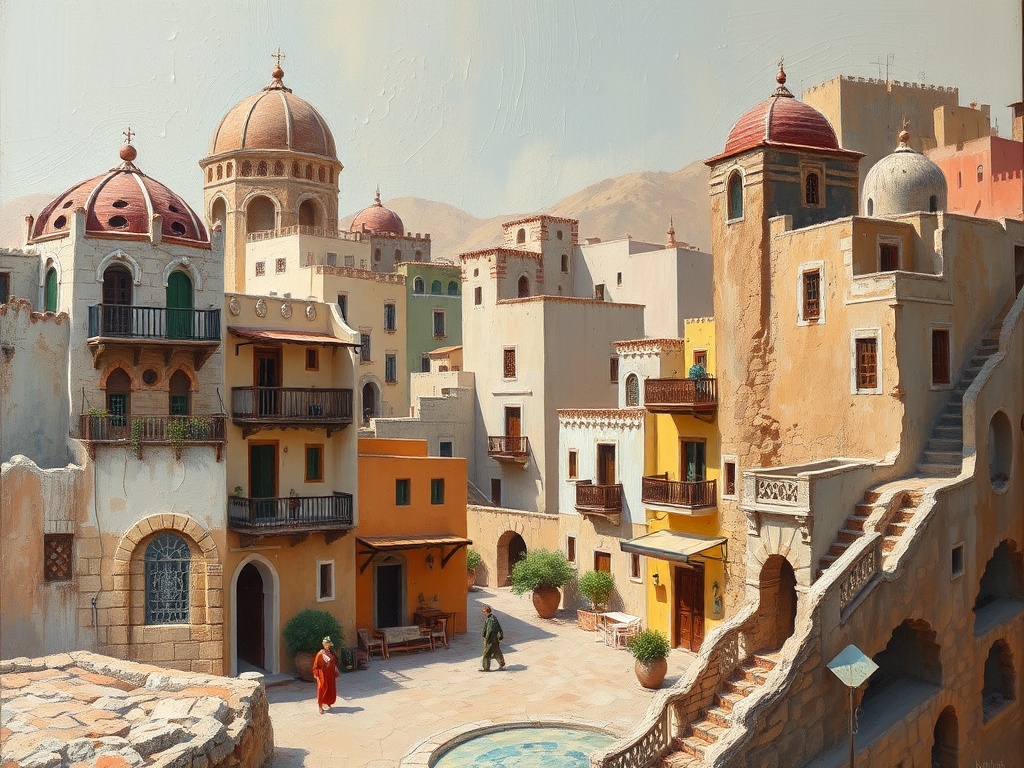
Guests are increasingly looking for more than opulent rooms and panoramic views. Wellness amenities—spas with traditional treatments, fitness facilities, and healthy dining—are now baseline expectations at upscale properties.
Halal-friendly services, family-oriented suites, and accessible facilities ensure a broader appeal, while boutique hotels emphasize intimate atmospheres and bespoke service.
Sustainability is more than a buzzword
Sustainable hotels are growing more visible. Properties are implementing energy-efficient systems, water-reuse programs, and circular-waste initiatives. Locally sourced food, farm-to-fork dining concepts, and partnerships with nearby artisans help hotels reduce carbon footprints while enriching guest experiences. Travelers can look for sustainability credentials, transparent reporting, and visible local engagement when choosing where to stay.
Design and local storytelling
Design is a key differentiator. Many hotels incorporate regional architecture, traditional materials, and artwork that tell local stories.
In urban centers, converted heritage buildings and contemporary boutiques offer contrasts to the signature mega-resorts. For guests, this means a stay that feels rooted in place—rooms and public spaces become extensions of local culture rather than interchangeable hotel templates.
Technology and seamless service
Contactless check-in, mobile room controls, and integrated concierge apps enhance convenience without sacrificing hospitality. Behind-the-scenes tech also helps hotels optimize energy use and personalize guest services.
Still, high-touch offerings—private guides, tailored excursions, and curated culinary experiences—remain important for guests seeking memorable stays.
Experiences over amenities
Hotels are designing packages that prioritize experiences: desert safaris with knowledgeable guides, curated culinary tours, wellness retreats with local healing traditions, and cultural workshops run by local craftsmen.
For business travelers, flexible meeting spaces and hybrid-event capabilities are increasingly important as meetings blend in-person and virtual attendance.
Tips for choosing the right hotel
– Define priorities: pick wellness, culture, family, or MICE-focused properties based on the trip purpose.
– Check sustainability claims: look for transparent practices and local sourcing.
– Consider location: beachfront resorts, desert retreats, and city hotels each offer very different rhythms and access to attractions.
– Look for halal and family services if needed: many properties provide dedicated dining options and family-friendly amenities.
– Read experience-focused reviews: reviewers often highlight whether a hotel’s cultural or wellness promises translate into real experiences.
Future-facing hospitality
Middle East hotels are striking a balance between scale and soul—combining the scale and spectacle many guests expect with a renewed emphasis on authenticity and responsibility. For travelers seeking memorable stays, selecting properties that prioritize local engagement, measurable sustainability, and wellness-forward programming will deliver stays that resonate long after checkout.