In the bustling world of hospitality and tourism, the Middle East has always stood as a beacon of luxury and innovation. Among the golden dunes and towering cityscapes, a new trend is sweeping across the region’s hotel industry.
Hotels today are rapidly embracing sustainability practices, demonstrating a significant shift in the industry’s focus towards becoming more eco-friendly.
A common misconception might lead you to believe that luxury and sustainability are mutually exclusive. However, Middle Eastern hotels are proving this notion wrong by seamlessly merging opulence with responsible practices. Today, an increasing number of hotels across the region are implementing sustainable practices into their operations and infrastructure, aiming to minimize their environmental impact while still providing a high-end experience.
The concept of sustainability in the hospitality industry revolves around three core facets: economic, social, and environmental.
It involves not only the conservation of natural resources but also supporting local communities and promoting cultural heritage.
One prime example is the growing trend of ‘green buildings’. These structures are designed and operated to utilize resources efficiently, be it energy, water, or materials, while reducing overall impact on the environment throughout their lifecycle. Middle East hotels are pioneering this trend, with many new establishments being constructed as green buildings, and existing ones retrofitting their premises to align with sustainability standards.
In addition to green buildings, the use of renewable energy sources is also gaining momentum in the Middle East’s hospitality industry. Solar panels, energy-efficient appliances, and waste-to-energy systems are increasingly becoming commonplace. These initiatives not only reduce energy consumption but also significantly cut down the hotels’ carbon footprint.
Water management is another critical aspect of sustainability that Middle Eastern hotels are focusing on. Practices such as rainwater harvesting, wastewater recycling, and the use of water-efficient fixtures are being adopted, significantly reducing water usage and wastage.
Moreover, hotels in the region are also promoting local culture and heritage. They are increasingly sourcing locally-made products, from food and beverages to décor and amenities, supporting local businesses and artisans while providing guests with an authentic experience of the Middle East.
Sustainability is also permeating into the social practices of hotels. Employee welfare programs, fair trade, and community outreach initiatives are becoming a standard part of their operations. Hotels are recognizing the importance of operating ethically and responsibly, and are actively contributing towards local communities.
The shift towards sustainability in the Middle Eastern hotel industry signposts a promising trend.
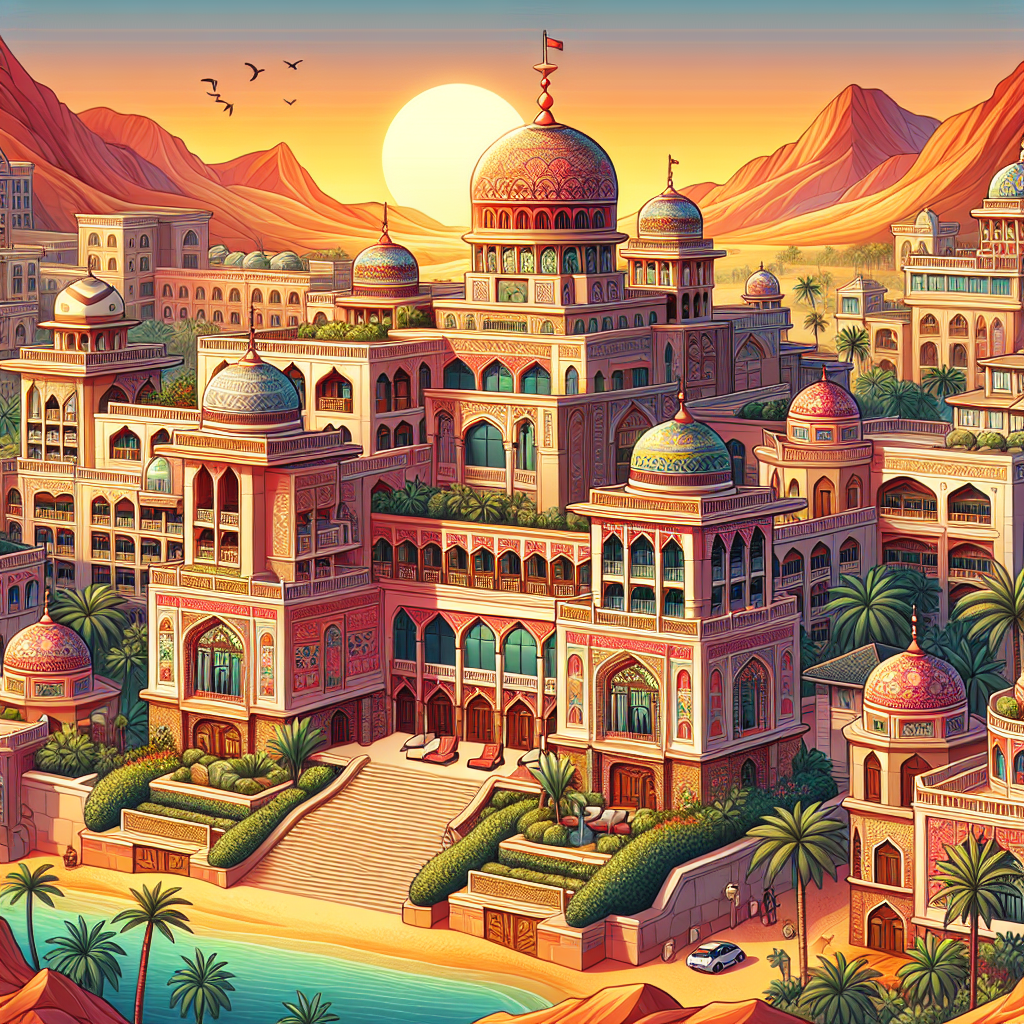
Not only does it help conserve the environment, but it also supports local economies and promotes cultural heritage. This movement is not just a nod to global environmental concerns but also a testament to the adaptability and forward-thinking nature of the Middle Eastern hospitality industry.
Today, the Middle East’s embrace of sustainability in the hotel industry serves as an inspiring model for the rest of the world.
It shows that luxury and environmental responsibility can go hand in hand, and indeed, enhance each other. The region’s hotels are setting a new standard for the hospitality industry, showing that sustainability is not just an option, but the future.