Middle East Hotels: Luxury, Sustainability, and Authentic Experiences
The hotel scene across the Middle East blends iconic luxury with increasingly mindful travel trends. From towering city skyscrapers to intimate desert retreats and restored historic riads, hotels in the region now balance opulence with local culture, sustainability, and seamless digital service.
Luxury and design
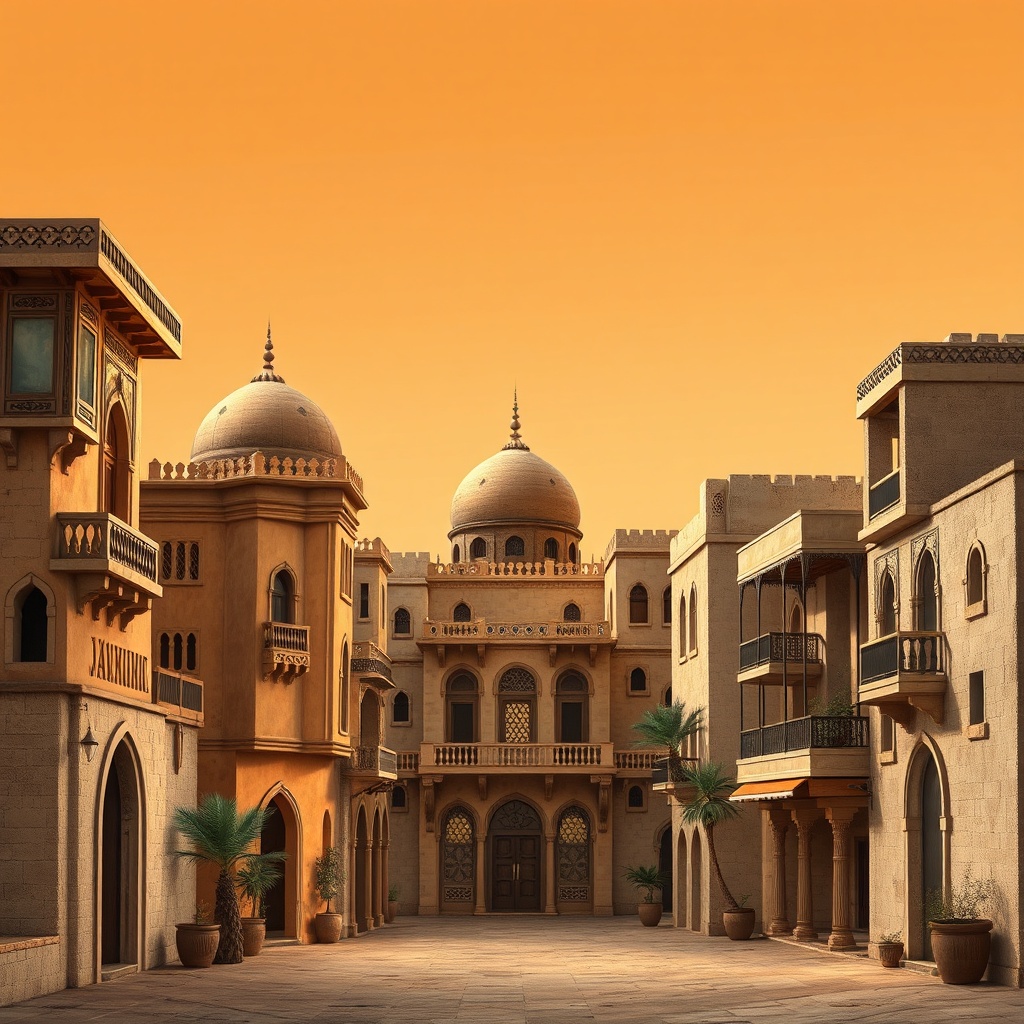
Luxury remains a major draw, especially in global hubs where five-star properties showcase signature architecture, panoramic views, and bespoke services. Many hotels lean into regional design language — mashrabiya screens, carved wood, intricate tilework, and expansive courtyards — while pairing these elements with contemporary interiors and high-end dining. Expect expansive spas offering traditional hammam rituals, rooftop pools overlooking city skylines, and suites that prioritize privacy and personalized amenities.
Sustainable hospitality
Sustainability is increasingly shaping hotel development and operations. Leading properties highlight energy-efficient systems, solar and geothermal solutions, water-reuse strategies, and green building certifications. More hotels are sourcing food locally, supporting nearby artisans, and minimizing single-use plastics. Travelers who prioritize eco-conscious stays can now find lodgings that transparently publish sustainability goals and third-party audit results.
Experiential stays
Hotels are expanding beyond rooms to curate distinctive experiences. Desert camps and luxury glamping provide immersive stargazing and Bedouin-style dinners, while coastal resorts offer dhow cruises, snorkeling, and conservation-focused marine activities. Urban hotels often collaborate with local chefs for culinary tours, host artists-in-residence programs, and organize guided cultural walks that introduce guests to neighborhoods beyond the main attractions.
Digital convenience
Digital convenience is standard: mobile check-in, mobile room keys, and digital concierges streamline the travel experience. Contactless payments and app-based service requests reduce friction, while in-room automation lets guests adjust lighting, climate, and entertainment without complicated controls. Still, the best hotels balance tech with human hospitality — attentive staff ready to deliver local insights or bespoke experiences on demand.
Meetings, incentives and events
Business travel and events have driven hotels to reimagine meeting spaces. Flexible ballrooms, breakout rooms with advanced A/V, and hybrid-event capabilities support a mix of in-person and remote participation. Properties that combine modern facilities with inspiring design and local food options appeal to planners seeking memorable, productive gatherings.
Cultural sensitivity and local regulations
Awareness of cultural norms improves the travel experience. Dress codes, public behavior, and alcohol availability can vary widely by country and venue. Hotels often provide clear guidance to international guests about local customs and etiquette, and many offer family-friendly spaces alongside adults-only zones.
Choosing the right hotel: practical tips
– Prioritize location: If sightseeing is the goal, central neighborhoods minimize commute time. For relaxation, choose beachfront or desert properties that focus on privacy and wellness.
– Verify sustainability claims: Look for documented certifications and specific initiatives like waste diversion rates or local procurement programs.
– Check guest reviews and recent photos: They reveal how well a property maintains service standards over time.
– Ask about cancellation and flexible booking policies: Flexible terms provide peace of mind when plans change.
– Explore on-site experiences: Cooking classes, guided excursions, and cultural programming add value beyond the room rate.
Middle East hotels now offer more than a place to sleep — they present thoughtful design, curated local encounters, and responsible hospitality practices. Whether seeking high-end glamour, cultural immersion, or eco-aware lodgings, travelers will find a growing range of options that reflect both traditional heritage and modern expectations. When booking, align priorities — location, sustainability, and guest experience — to choose a stay that fits the trip’s purpose.