Saudi Arabia’s transformation: tourism, investment, and cultural opening
Saudi Arabia is in the midst of a wide-ranging transformation that touches tourism, energy, culture, and the investment climate. Driven by a long-term national blueprint to diversify the economy away from oil, the country has been expanding visitor access, accelerating renewable energy projects, and positioning itself as a regional hub for business and culture.
Tourism opening and new experiences
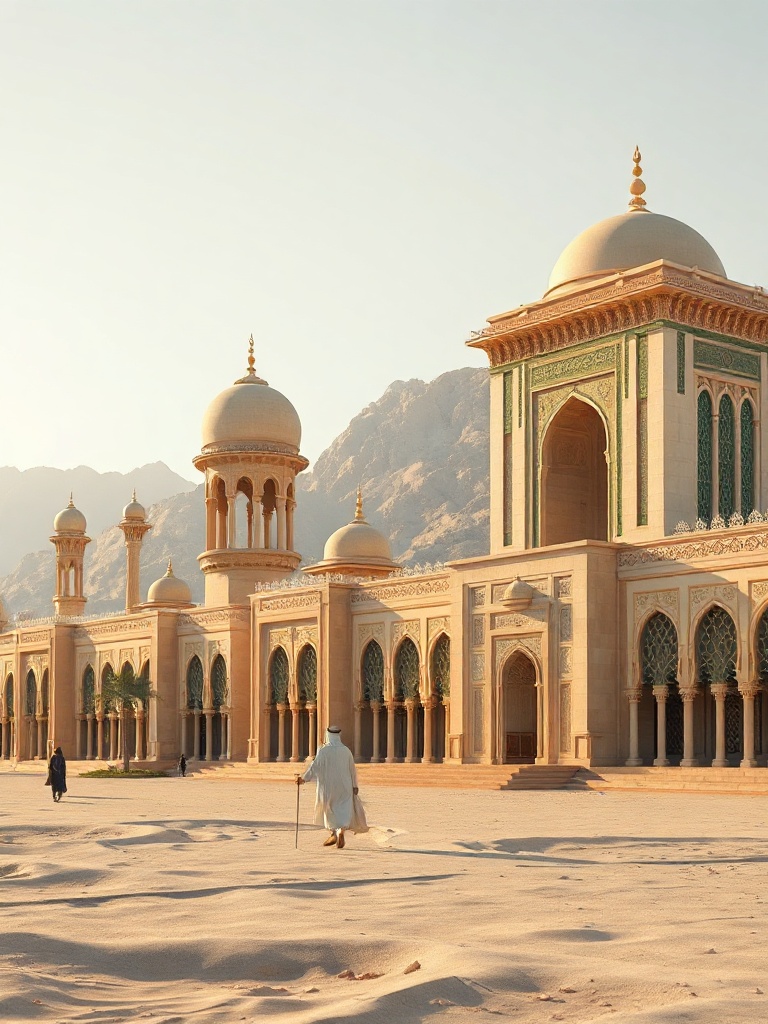
Expanded visa policies and upgraded transport links have made Saudi Arabia more accessible for international visitors. Coastal resorts along the Red Sea, luxury island developments, and desert retreats offer diverse experiences from diving and marine conservation to stargazing and heritage exploration. Historic sites such as Diriyah showcase restored architecture and museums that celebrate the kingdom’s cultural legacy, while curated cultural festivals and international sporting events attract global audiences.
Giga-projects and urban innovation
Large-scale urban developments are reshaping Saudi Arabia’s physical and economic landscape. Projects focused on smart-city design, sustainable infrastructure, and mixed-use communities aim to create new centers for technology, tourism, and commerce. Those developments emphasize walkability, integrated public transport, and technology-driven services, with attention to environmental standards and low-carbon solutions.
Energy transition and industrial diversification
While oil revenues remain significant, the government and private sector are investing heavily in renewables, green hydrogen, and energy efficiency.
Massive solar and wind arrays, coupled with research hubs and public-private partnerships, are intended to support domestic power needs and export-focused clean-energy industries. These moves are part of a broader push to develop advanced manufacturing, logistics, and technology sectors that complement traditional energy assets.
Investment climate and business reform
Regulatory reforms have targeted ease of doing business, foreign ownership rules, and market liberalization to attract international capital. Financial markets are expanding, and sovereign and private investment funds actively support infrastructure, technology, and tourism projects. This shift creates opportunities for global investors, startups, and multinationals seeking access to a geographically strategic market bridging Asia, Africa, and Europe.
Social and cultural shifts
Social reforms have broadened public entertainment options, cultural programming, and women’s participation in the workforce and public life. Concerts, cinemas, exhibitions, and sporting events that were once limited are now regular features in many cities, contributing to a growing domestic leisure economy.
These changes are accompanied by programs to preserve and promote cultural heritage, ensuring that modernization coexists with historical identities.
Challenges and sustainability
Rapid development brings challenges that demand careful management. Environmental concerns, water scarcity, and the social impacts of urbanization require ongoing planning and investment in sustainable practices. Balancing large-scale development with conservation of fragile ecosystems—particularly along the Red Sea coast—is a recurring policy priority. Inclusive growth that ensures opportunities benefit a broad cross-section of society remains central to long-term success.
Looking ahead
Saudi Arabia’s trajectory combines ambitious infrastructure and economic reforms with a newfound openness to global tourism and cultural exchange.
For travelers, investors, and businesses, this presents a landscape of fresh opportunities and complexity. Those engaging with the kingdom today are navigating a market that is evolving fast, shaped by sustainability goals, innovation initiatives, and a focus on building a more diversified economy.