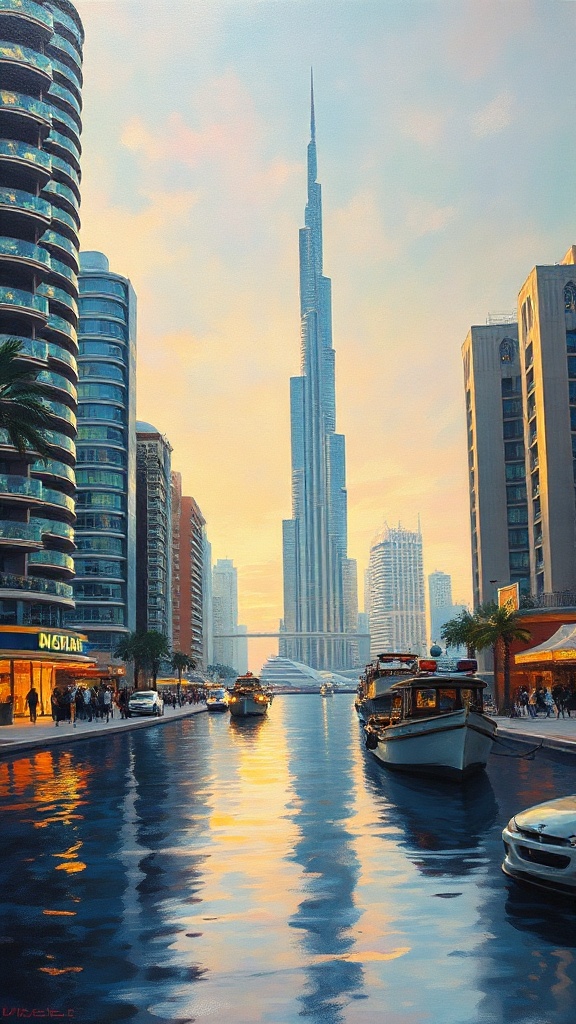
Dubai’s skyline will always grab headlines, but a quieter transformation is reshaping how the city grows, moves and eats. Sustainability has moved from slogan to strategy, influencing everything from master-planned districts to rooftop farms and transport options. For visitors and residents alike, this shift makes Dubai not just a destination for spectacle, but a city evolving toward smarter, greener living.
What sustainable Dubai looks like
– Green neighborhoods: New developments prioritize energy-efficient buildings, passive design, shaded walkways and integrated green space. Some communities combine solar energy, on-site water recycling and low-energy lighting to cut utility demand while creating walkable, amenity-rich environments.
– Urban agriculture: Hydroponic and vertical farms are becoming mainstream, supplying local produce with far lower water usage and shorter supply chains. Rooftop gardens and controlled-environment greenhouses reduce food miles and add fresh options for residents and hotels.
– Clean transport: Investment in public transit, electric vehicle charging, and pilot autonomous shuttles aims to reduce congestion and emissions. Bike-share networks, pedestrianized zones and next-generation buses make short trips easier and more eco-friendly.
– Water and waste innovation: New approaches to desalination, wastewater reuse and circular-waste initiatives help conserve scarce resources.
Hotels and commercial developments increasingly adopt waste-separation systems and composting for organic material.
Where to experience sustainable Dubai
– Eco-focused districts and communities offer tours or open days showing rooftop farms, solar arrays and smart-home tech. These are great for visitors curious about how everyday life can be greener.
– Farmers’ markets and urban farms are ideal spots to taste locally grown produce and learn about controlled-environment farming methods.
– Cultural hubs and art districts often host sustainability-themed exhibitions and talks, connecting creative practice with environmental awareness.
Practical tips for visitors and residents
– Choose eco-conscientious lodging: Look for hotels with energy and water-efficiency certifications, on-site recycling and locally sourced dining options.
– Use public transit where possible: The metro and tram systems, plus ride-share EVs and water taxis, are efficient ways to navigate congested areas while lowering your carbon footprint.
– Pack smart: Lightweight, reusable water bottles and shopping bags cut single-use waste in a hot, fast-paced city.
– Join local events: Sustainability workshops, community cleanups and urban gardening classes offer both insight and hands-on experience.
Business and lifestyle opportunities
Entrepreneurs and investors are paying attention to green tech, agritech and mobility solutions. From smart-home retrofits to last-mile electrified delivery, demand spans consumer services, commercial retrofit and infrastructure. For professionals, skills in sustainable design, data-driven energy management and circular-economy logistics are increasingly valuable.
Why it matters
Dubai’s climate and rapid urbanization mean that efficient use of energy and water isn’t optional. By integrating sustainable practices into architecture, transport and food systems, the city is aiming to create a resilient urban model that supports growth while reducing environmental impact. For travelers, this evolution adds new layers to the Dubai experience—more local flavors, accessible green spaces and innovative ways to explore the city.
Explore with an eye for innovation and you’ll find a Dubai that balances dazzling ambition with practical solutions—where skyscrapers and sustainability are shaping a livable urban future.