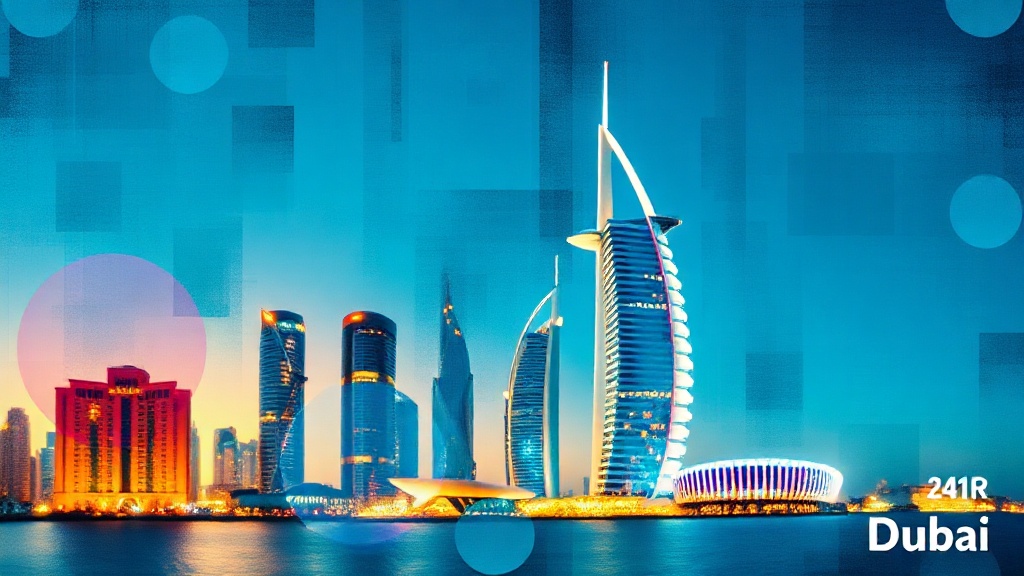
Dubai is evolving beyond its skyline of iconic towers into a testbed for sustainable urban living and high-tech mobility. The city blends dramatic architecture and luxury tourism with deliberate policies and infrastructure aimed at reducing emissions, conserving water, and improving quality of life — making it a useful model for fast-growing cities worldwide.
Planning and green building
Ambitious urban planning is reshaping how new districts are built and how existing neighborhoods are retrofitted. Updated building regulations push higher energy and water efficiency standards, encouraging developers to adopt better insulation, efficient HVAC systems, smart meters, and shading strategies that cut cooling loads. District cooling systems and building-integrated solar are becoming standard in large projects, lowering operating costs and improving occupant comfort.
Renewable energy and water
Large-scale solar projects and distributed rooftop PV installations are expanding rapidly, helping diversify the energy mix away from fossil fuels. Desalination remains essential for freshwater supply, and innovations are reducing its carbon footprint through cleaner energy sources and improved process efficiency.
Waste-to-energy and recycling initiatives are also gaining traction, with municipal programs targeting higher diversion rates and private partnerships bringing new technologies for organic waste processing.
Mobility and smart transit
Mobility is shifting toward multimodal, low-emission solutions. The metro, bus network, and growing electric vehicle infrastructure facilitate car-free travel across popular districts. Pilots for autonomous shuttles and last-mile electric mobility are active in business parks and tourist zones.
For residents and visitors, using public transit or ride-hailing services that offer electric options is now a practical and environmentally friendly choice.
Heritage, culture and placemaking
Urban sustainability in Dubai extends beyond technical systems to human-centered design. Revitalized heritage areas, arts districts, and waterfront promenades prioritize walkability and placemaking.
Cultural institutions, galleries, and culinary neighborhoods provide year-round attractions that distribute tourism more evenly across the city, reducing pressure on single hot spots and enriching visitor experiences.
Business environment and incentives
Dubai’s economic framework supports green business growth. Free zones and innovation hubs offer incentives for clean-tech startups, sustainable construction firms, and circular-economy ventures. Streamlined licensing, long-term residency options for investors and specialized visas for skilled talent contribute to a fertile ecosystem for sustainable enterprises.
What visitors and residents can do
– Choose accommodations with sustainability certifications or proven efficiency measures.
– Use public transit, bike-share, or electric ride services where available.
– Seek out neighborhood markets and cultural sites beyond the headline attractions to support local businesses.
– Reduce single-use plastics and participate in recycling programs; many hotels and malls now offer refill stations and recycling points.
Looking ahead
Dubai’s approach pairs rapid development with targeted sustainability measures, creating opportunities for innovation in construction, energy, water and mobility. Challenges remain — notably cooling demand and resource intensity — but private-public collaboration and technology adoption are laying the groundwork for a more resilient urban model.
For visitors, investors, and residents, the city offers both world-class amenities and an active environment for sustainable innovation, making it a compelling place to explore, do business, and live more sustainably.