Saudi Arabia’s travel transformation: what visitors and investors need to know
Saudi Arabia is rapidly repositioning itself as a must-visit destination for travelers and a compelling opportunity for investors.
Once associated primarily with pilgrimage, the country now offers a broad mix of cultural heritage, desert landscapes, coastal luxury and futuristic urban projects that appeal to leisure travelers, adventure seekers and business visitors alike.
Opening up for visitors
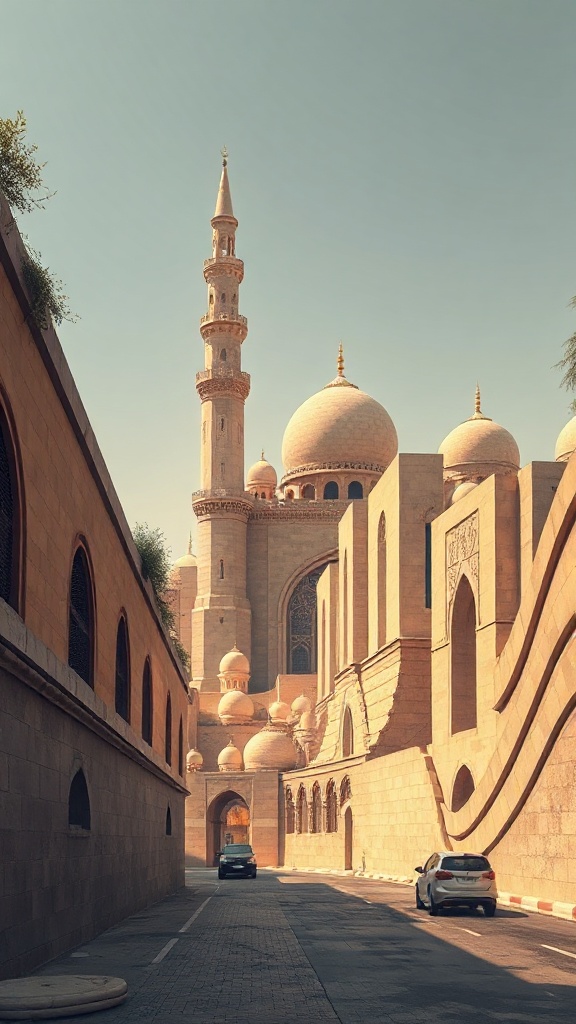
A more accessible visa regime and streamlined e-visa systems make it easier to plan a trip.
Multiple-entry and single-entry tourist visas are widely available through official online portals, simplifying arrival procedures for travelers from many countries. International flights and new airport infrastructure have expanded connectivity to key cities and gateway destinations.
Cultural treasures and heritage
Historic sites are at the heart of Saudi’s appeal. Regions like AlUla feature dramatic rock formations, ancient tombs and restored archaeological sites that highlight the Arabian Peninsula’s long human history.
Diriyah, the birthplace of a prominent historic state, showcases restored mud-brick architecture and cultural institutions that blend traditional design with contemporary programming. Museums, galleries and cultural festivals are multiplying, offering deeper access to local arts, music and heritage.
Coastlines and regenerative tourism
The Red Sea coastline and island archipelagos present an underexplored coastline with pristine beaches, coral reefs and opportunities for diving, sailing and marine conservation experiences. New resort developments emphasize sustainability, regenerative tourism and low-impact access to fragile ecosystems, attracting travelers who prioritize environmental stewardship alongside luxury.
Futuristic cities and investment hubs
Ambitious urban projects aim to demonstrate cutting-edge design, renewable energy integration and smart-city infrastructure.
These developments target international investment, technology partnerships and new business clusters, with an emphasis on hospitality, entertainment, creative industries and advanced manufacturing. The expansion of business districts and special economic zones supports foreign direct investment and a more diversified economy.
Entertainment and leisure
A major shift in domestic policy has enabled a lively calendar of concerts, film screenings, sporting events and cultural performances. International artists and productions now tour the kingdom, and local creative talent benefits from growing venues and festival platforms. This cultural opening supports tourism growth and creates new jobs across hospitality, media and events management.
Practical travel tips
– Best times to visit: coastal areas and higher-elevation regions offer milder weather; desert destinations are most enjoyable outside of peak heat.
– Dress and etiquette: Modest, respectful attire is recommended in public spaces. Familiarity with local customs and polite behavior will enhance interactions.
– Transport: Major cities have improved public transit and road infrastructure.
Car rental and regional flights are convenient for reaching remote attractions.
– Booking: Reserve accommodations and permits for special sites in advance, especially for protected areas and guided cultural experiences.
Why it matters
Saudi Arabia’s evolution from a relatively closed destination into a diversified travel and investment market is reshaping perceptions across the region. For travelers, the kingdom offers unique contrasts—ancient ruins beside modern architecture, vast deserts beside coral-rich seas. For investors and operators, expanding tourism and entertainment sectors create new revenue streams and partner opportunities.
Whether seeking cultural immersion, adventure travel or business expansion, Saudi Arabia presents a dynamic, evolving landscape worth exploring.