Saudi Arabia’s rapid transformation is reshaping how the world sees the Kingdom — from an oil-exporting economy to a global destination for business, culture, and tourism. Ambitious infrastructure projects, an expanding entertainment sector, and a more open visa policy are creating new opportunities for visitors, investors, and residents alike.
What’s driving the change
A deliberate push toward economic diversification is steering investment into tourism, renewable energy, entertainment, and technology.
Large-scale urban developments and coastal resort projects aim to attract international travelers seeking luxury experiences and ecological escapes. At the same time, investments in smart-city initiatives and green energy signal a shift toward innovation-led growth.
Tourism and hospitality boom
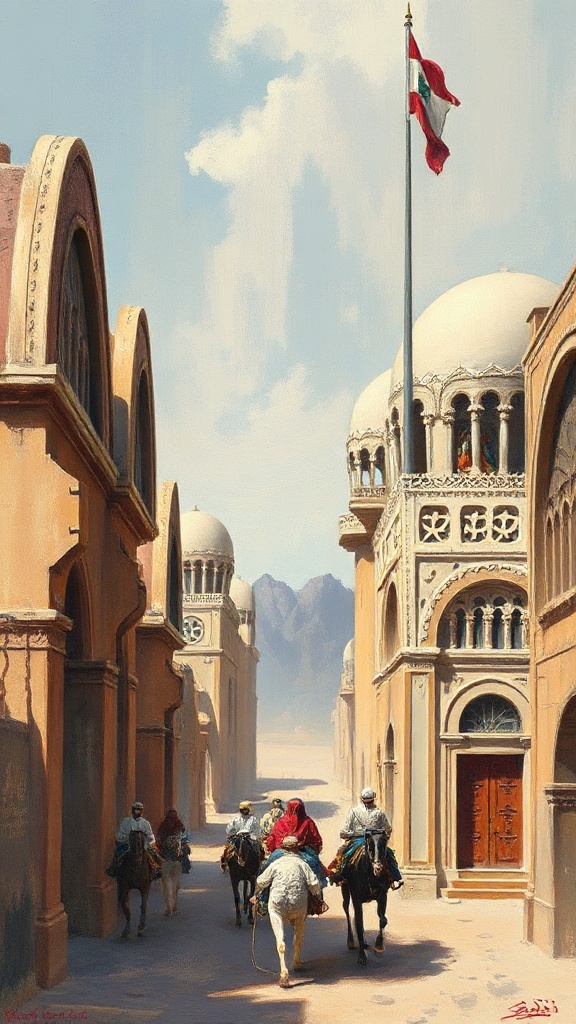
Tourist e-visas are available to many nationalities, making it easier than ever to explore iconic sites and lesser-known treasures. Key draws include restored heritage areas that showcase centuries-old architecture and culture, pristine coastlines along the Red Sea, and new luxury resort islands positioned as eco-conscious escapes.
Major cities are ramping up their cultural offerings with museums, galleries, and curated heritage districts that blend tradition with contemporary design.
Lifestyle and entertainment
The entertainment landscape is transforming with a growing calendar of concerts, festivals, sports events, and cultural seasons that attract regional and international talent. Urban centers now offer high-end dining, art spaces, and family-friendly attractions, creating a more varied lifestyle for locals and expatriates. Nightlife norms and public cultural experiences are evolving alongside corporate efforts to create year-round programming and visitor attractions.
Business and investment climate
A stronger focus on non-oil sectors has encouraged foreign direct investment, public-private partnerships, and new entrepreneurial ecosystems.
A well-capitalized sovereign fund and targeted incentives support infrastructure and technology projects, while regulatory reforms aim to streamline business setup and attract multinational firms. For investors, opportunities span hospitality, renewable energy, logistics, and digital services.
Practical tips for visitors
– Visa: Check the official government portal for e-visa eligibility and requirements before planning travel.
– Dress and etiquette: Modest dress is recommended in public spaces. Respect local customs, especially in religious sites — men and women should cover shoulders and knees, and women may be asked to wear a headscarf in certain locations.
– Behavior: Remove shoes when entering homes and mosques, and follow posted rules. Public displays of affection are generally discouraged.
– Alcohol and substances: Alcohol remains largely prohibited outside designated, licensed venues. Be mindful of strict laws governing drugs and controlled substances.
– Ramadan and religious observances: During religious observances, eating, drinking, and smoking in public during daylight hours may be restricted; travelers should follow local guidance.
Cultural authenticity and sustainability
A notable trend is combining luxury tourism with conservation. Coastal and desert projects emphasize environmental stewardship, coral preservation, and limited-capacity resort models to protect fragile ecosystems. Heritage restoration programs give visitors access to authentic cultural narratives while supporting local communities and craft traditions.
What to watch
Expect continued expansion of cultural infrastructure, growing international events, and more accessible travel options. As projects mature and regulations evolve, the Kingdom is positioning itself as a long-term destination for culture, leisure, and investment. Whether planning a short cultural trip or scouting longer-term business prospects, staying informed about visa rules and local norms will ensure a smooth and rewarding experience.