Middle East hotels are reshaping the idea of hospitality, blending cultural authenticity with cutting-edge comforts to meet the expectations of today’s travelers. From urban skyscrapers offering skyline views to serene desert retreats, properties across the region are emphasizing experiences that go beyond a comfortable bed—centered on sustainability, wellbeing, and local storytelling.
What guests are looking for
– Experience over amenities: Travelers increasingly choose hotels that offer authentic connections—guided heritage walks, traditional cooking classes, or curated art tours that spotlight local creators.
– Wellbeing and privacy: Spa programs, sleep-enhancement offerings, and private villas or suites with discreet service respond to demand for restoration and privacy.
– Flexibility and longer stays: Extended-stay suites and serviced apartments with kitchens and workspaces cater to blended business-leisure trips and longer remote work stays.
Design that tells a story
Many hotels lean into regional design languages: Mashrabiya-inspired facades, courtyard riads, and contemporary interiors that reinterpret traditional patterns and materials. Adaptive reuse of historic buildings—converting palaces, forts, or old mansions into boutique hotels—creates memorable stays and preserves heritage. Instagram-friendly design remains important, but the most successful properties balance photogenic moments with comfort and functionality.
Sustainability as a competitive edge
Sustainability is no longer optional. Hotels are adopting solar power, advanced water recycling, LED lighting, and locally sourced construction materials. Food waste reduction, farm-to-table sourcing, and partnerships with local farmers are common practices that reduce environmental footprint while enhancing culinary authenticity. Certifications and transparent reporting help environmentally conscious travelers make better choices.
Smart, human-centered technology
Digital check-in, mobile keys, and smart room controls are now standard in many properties. Automated systems improve efficiency without replacing human warmth—boutique hotels emphasize personalized service, while larger chains rely on seamless tech to scale consistency. Data privacy and secure digital payment options are becoming critical selling points.
Culinary diversity and authenticity
Culinary programs spotlight regional cuisine alongside international fine dining.
Chefs collaborate with local producers to recreate authentic flavors, while pop-up kitchens and supper clubs provide experimental dining that appeals to food-focused travelers. Halal-friendly menus, private dining rooms, and family-focused meal options ensure inclusivity.
Events, business travel, and multipurpose spaces
Hotels are rethinking meeting and event spaces to be flexible and hybrid-ready.
Multipurpose venues that support small gatherings, corporate retreats, and cultural events help properties capture diverse revenue streams. Accessibility, efficient transport links, and proximity to cultural hubs are key factors for event planners.
Well-curated experiences
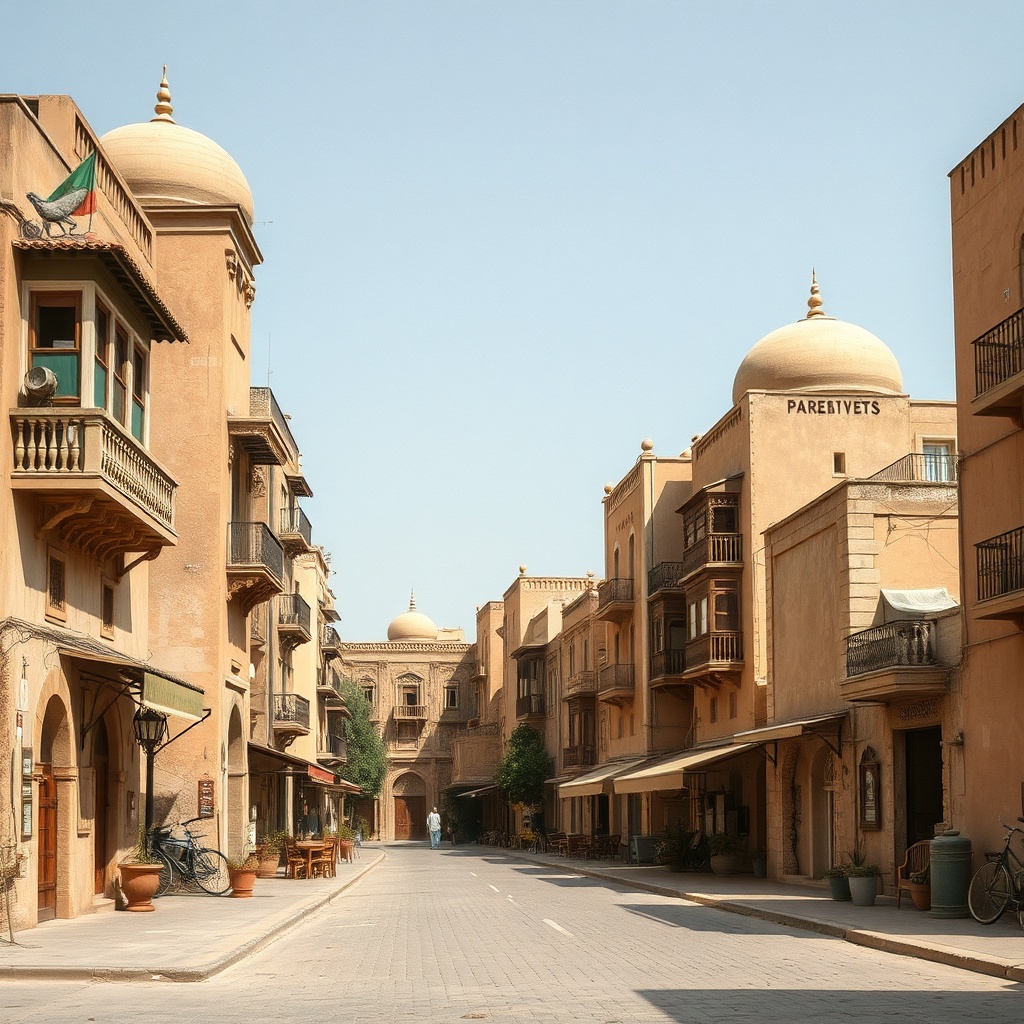
Beyond the bed, curated experiences drive bookings: desert safaris paired with stargazing dinners, dhow cruises with seafood feasts, and guided urban food trails. Local partnerships—artists, artisans, guides—make experiences feel authentic and support community livelihoods.
Booking considerations for travelers
Look for flexible cancellation and reliable hygiene standards, transparent sustainability practices, and guest reviews that highlight service consistency.
For longer stays, prioritize properties with kitchenettes, reliable high-speed internet, and quiet workspaces. For culturally mindful travel, check for prayer facilities, modest swimwear options, and family-friendly programming.
The region’s hospitality scene continues to evolve, focusing on thoughtful design, environmental responsibility, and immersive local experiences. Whether seeking a luxury desert hideaway, a boutique riad, or a business-ready urban hotel, travelers can expect a higher standard of personalization and authenticity that reflects the rich cultural tapestry of the Middle East.