How Middle East Hotels Are Evolving: Sustainability, Tech, and Local Experiences
The hotel scene across the Middle East is shifting from purely opulent stays to more nuanced offerings that balance luxury, sustainability, and cultural authenticity. Whether you’re planning a city stopover, a desert retreat, or a seaside escape, hotels today are designed to meet varied traveler expectations — from families and business guests to wellness seekers and digital nomads.
What’s shaping hotels in the region
– Sustainability and conservation: Developers and operators are integrating solar power, water-saving systems, and waste reduction programs. Many properties highlight local sourcing for food and materials, and guests can expect clearer information on a hotel’s environmental commitments when booking.
– Smart, contactless technology: Mobile check-in, digital room keys, voice-activated controls, and energy-saving sensors are common across midscale and luxury properties.
These tech upgrades improve convenience while lowering operational footprints.
– Wellness and experiential programming: Spas, curated fitness offerings, and wellness menus are standard. Beyond facilities, hotels increasingly offer cultural experiences — guided neighborhood walks, local cooking classes, and artisan workshops — to connect guests with their destination.
– Diversified inventory: The market now features everything from mega-resorts and branded luxury towers to intimate boutique riads, refurbished heritage properties, and desert glamping sites. Extended-stay apartments and serviced residences cater to longer-term visitors and remote workers.
– Halal-friendly and family-first services: Many hotels provide halal dining options, gender-sensitive spa services, and family-friendly amenities like childcare, kids’ clubs, and multi-bedroom suites.
Choosing the right hotel: practical considerations
– Location and access: Proximity to transport hubs, business districts, or cultural sites matters more than star ratings for ease of travel. Check shuttle availability or ride-share accessibility if you plan multiple excursions.
– Cancellation and flexibility: Flexible booking policies remain important. Review cancellation terms and any change fees before confirming.
– Food and diet accommodations: Look for properties that explicitly list halal offerings, allergen information, and child-friendly menus. On-site outlets with reputable hygiene standards are a plus.
– Connectivity and workspace: Reliable Wi-Fi, dedicated workspaces, and business center services are essential for remote work or hybrid travel.
– Sustainability credentials: If environmental impact matters, seek hotels with transparent reporting on energy use, water management, and waste reduction.
– Reviews and real-time feedback: Use recent guest reviews to assess service consistency, cleanliness, and whether advertised amenities are operational.
Standout experiences to expect
– Desert stays reimagined: Luxury camps and desert resorts offer immersive experiences — stargazing, guided dune safaris, and cultural evenings — that combine comfort with local storytelling.
– Urban culinary scenes: Many city hotels now host acclaimed restaurants and pop-up kitchens that showcase regional chefs, blending high-end dining with local ingredients and traditional recipes.
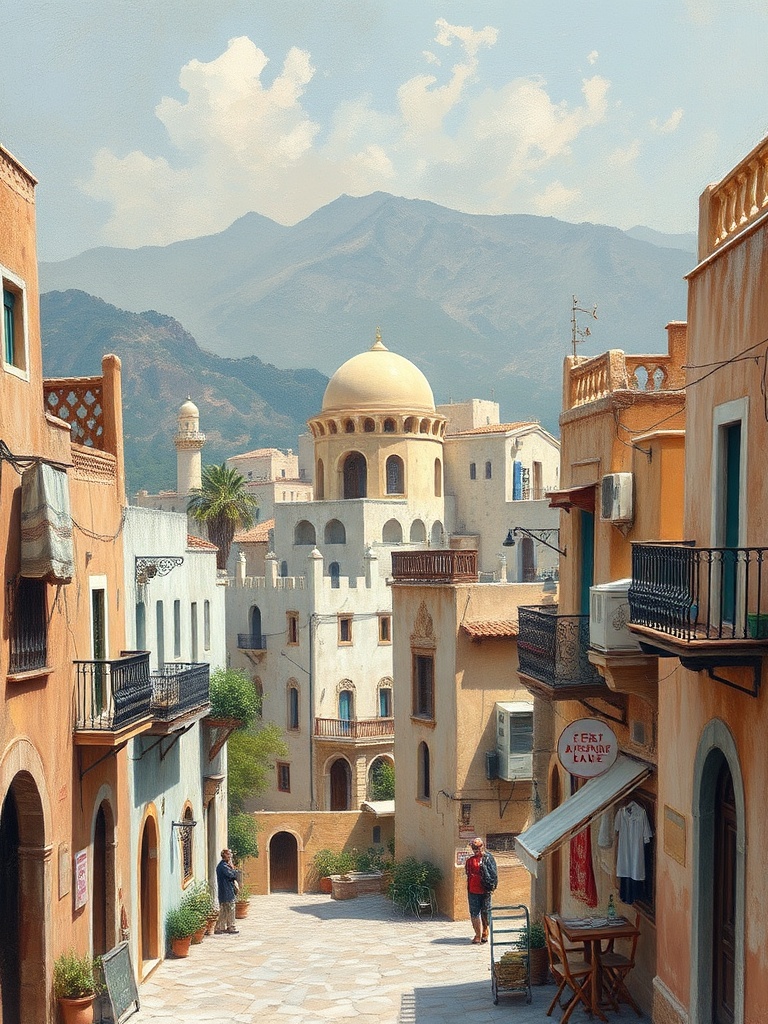
– Heritage hotel conversions: Renovated historic buildings and restored palaces deliver a strong sense of place, often paired with modern amenities for comfort without sacrificing authenticity.
Booking tips
– Compare direct-book benefits versus third-party platforms: Hotels often offer perks like free upgrades, dining credits, or flexible terms for direct bookings.
– Ask about transport and safety: Clarify airport transfer options and on-property safety measures, especially for remote or desert properties.
– Consider seasonality and climate: Temperatures and local events affect rates and experience quality; plan accordingly.
Middle East hotels are responding to a more discerning global traveler by blending high service standards with conscious hospitality, cultural connections, and tech-enabled convenience. Whether seeking lavish indulgence or meaningful local immersion, there’s a wide range of accommodations designed to fit modern preferences.