How Saudi Arabia Is Reinventing Travel and Investment: What to Know Before You Go
Saudi Arabia is undergoing a notable transformation that’s reshaping travel, culture, and business opportunities. From new coastal resorts and archaeological sites to ambitious urban developments and renewable-energy projects, the country is positioning itself as a destination for both curious travelers and global investors. Here’s a practical guide to what’s happening and what to expect.
Opening up for travelers
Travel to major cities and tourist destinations is now more accessible, with streamlined e-visa systems and expanded international flight connections.
Popular entry points include the Red Sea coast, Jeddah’s historic district, the capital’s modern skyline, and the dramatic desert landscapes surrounding ancient sites. For visitors seeking cultural depth, restored historic neighborhoods and curated archaeological sites offer immersive experiences, complemented by growing culinary scenes and cultural festivals.
Top destinations to consider
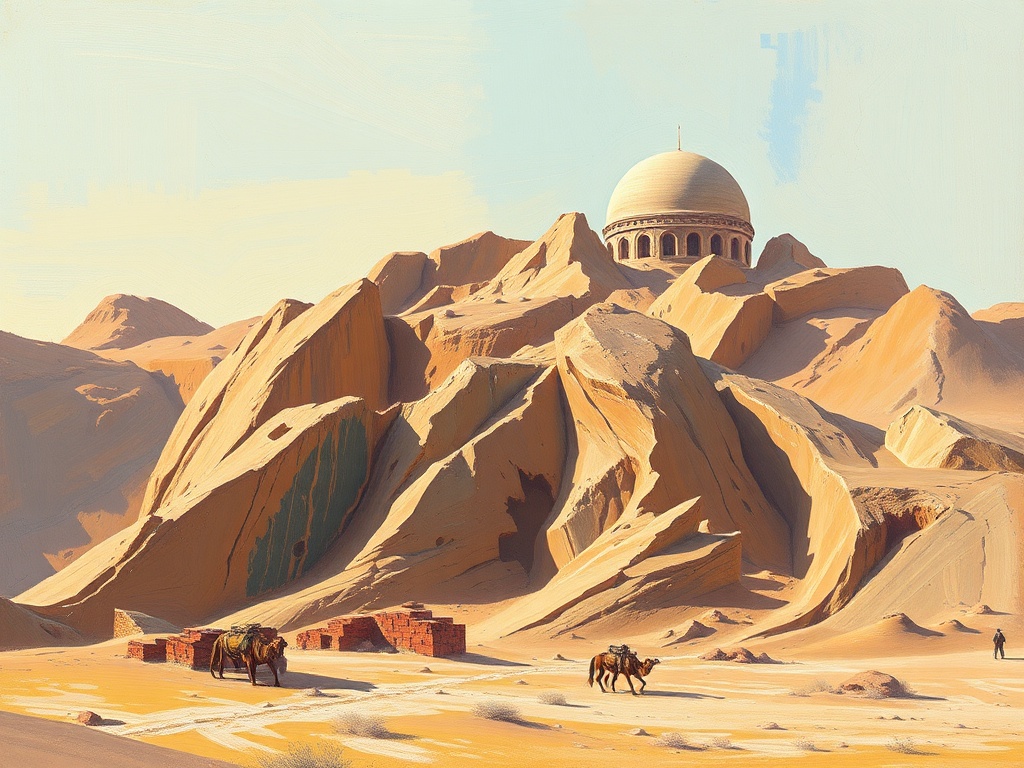
– AlUla: A striking desert landscape with monumental rock formations and archaeological treasures. Guided tours, archaeological exhibitions, and luxury eco-lodges make it a highlight for heritage-minded travelers.
– Red Sea coastline and island resorts: Pristine coral reefs and protected marine areas are the focus of sustainable luxury resorts and diving adventures.
– Jeddah: A fusion of old and new—explore the atmospheric lanes of Al-Balad, waterfront promenades, and vibrant arts programming.
– Riyadh and Diriyah: The capital’s modern attractions sit alongside recently restored historic quarters that spotlight architectural heritage and national history.
Cultural etiquette and practical tips
Respectful dress remains important in public spaces; lightweight, modest clothing is advisable for comfort in warm climates. Learning a few basic Arabic phrases is appreciated, though English is widely spoken in urban centers and tourist hubs. Public behavior standards can be more conservative than in some Western destinations, so familiarizing yourself with local customs helps avoid misunderstandings. Always carry identification and follow guidance from local authorities or tour operators when visiting sensitive or protected sites.
What travelers should pack
– Sun protection and breathable fabrics
– Comfortable walking shoes for archaeological sites and old towns
– A reusable water bottle and basic first-aid supplies
– Copies of travel documents and local emergency contacts
Investment and business climate
Economic diversification is a central theme, with emphasis on tourism, entertainment, renewable energy, and tech-driven urban developments. Reforms aimed at attracting foreign direct investment include more flexible ownership rules, special economic zones, and incentives for large-scale tourism projects. Key opportunities exist in sustainable hospitality, marine conservation and ecotourism, renewable energy manufacturing, and smart-city infrastructure.
Sustainability and innovation
Sustainability is increasingly central to development plans along the Red Sea and in newer urban projects.
Initiatives include marine protection measures, renewable-energy deployments, and experimental urban designs that prioritize reduced car dependency and conservation.
Investors and operators that prioritize environmental stewardship and community engagement are often better positioned to succeed.
Final considerations
Saudi Arabia offers unique contrasts—ancient heritage alongside ultra-modern ambition, and expansive natural landscapes paired with targeted conservation efforts.
Whether visiting for culture and nature or exploring business opportunities, researching entry requirements, local customs, and site-specific rules will make for a smoother, more rewarding experience.