Saudi Arabia is undergoing one of the most consequential economic and cultural transformations in the region, making it a focal point for travelers, investors, and cultural enthusiasts. Once known primarily for its oil wealth and religious heritage, the kingdom is now positioning itself as a diversified hub for tourism, entertainment, renewable energy, and global business.
Tourism and cultural opening
The expansion of tourism infrastructure has been deliberate and visible. Tourist visa programs and improved air connectivity have made iconic sites more accessible. Highlights include historic Al-Ula with its rock-cut tombs and archaeological significance, the revitalized Diriyah district showcasing traditional architecture and museums, and the Red Sea coastline, where eco-luxury resorts and marine conservation are shaping a new model of sustainable tourism. Cities such as Riyadh and Jeddah now host world-class cultural festivals, exhibitions, concerts, and contemporary art spaces, creating a calendar of events that draws international audiences.
Giga-projects and urban innovation
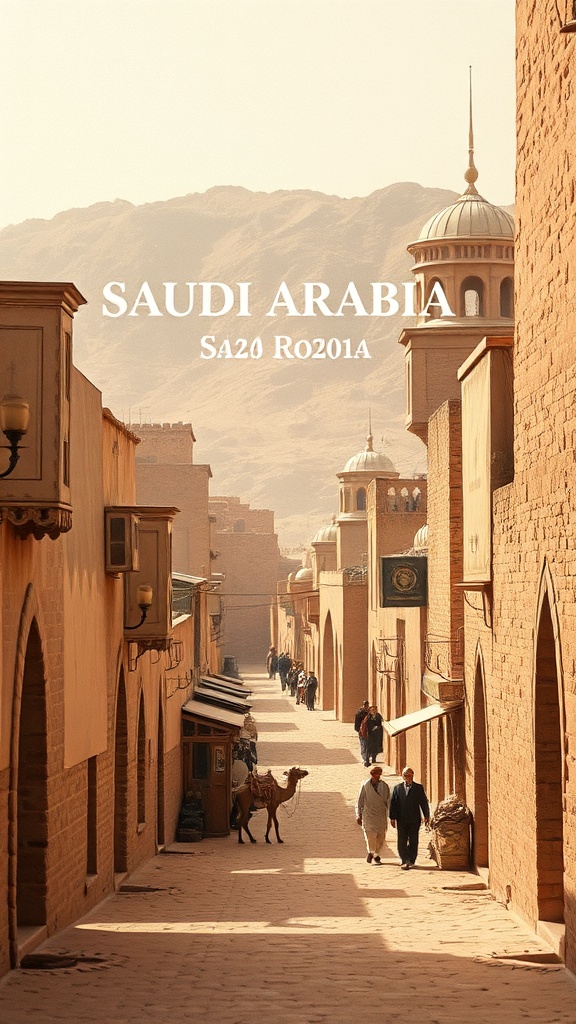
Ambitious urban developments are attracting attention and capital globally. Large-scale projects aim to create smart, mixed-use cities that emphasize technology, livability, and sustainability. These initiatives are testing advanced planning concepts—autonomous mobility, integrated renewable power, and high-tech logistics—while seeking to set new standards for living and working environments in the Middle East.
Economic diversification and investment climate
Economic reform agendas prioritize diversification away from hydrocarbons by catalyzing private-sector growth and foreign direct investment. Reforms to business registration, licensing, and digital government services have streamlined the commercial environment. The public investment landscape is active, with national investment vehicles deploying capital across industries such as tourism, technology, logistics, manufacturing, and leisure. For entrepreneurs, the market presents opportunities in hospitality, health tech, fintech, and supply-chain services tied to regional trade flows.
Energy transition and sustainability
While hydrocarbons remain central to the economy, energy strategy now balances oil production with a push into renewables and low-carbon technologies. Massive solar and wind potential is being tapped through utility-scale projects and distributed generation. There is strong interest in hydrogen—especially green and blue hydrogen—and related export infrastructures, as the kingdom explores ways to supply decarbonized fuels to global markets. Environmental initiatives tied to desert restoration, water management, and marine protection accompany the economic plans, reflecting an emphasis on long-term sustainability.
Social and cultural change
Social reforms have broadened participation in public life and the workforce.
Cultural liberalization—more public arts, entertainment, and sporting events—has increased domestic demand and international engagement. At the same time, traditional customs and religious practices remain central to daily life, and understanding local etiquette is essential for visitors and businesspeople alike.
Practical tips for visitors and investors
Travelers should plan ahead for local customs, dress norms, and public behavior expectations; many destinations offer visitor guides and official apps with updated information. Investors benefit from partnering with local firms, using legal and tax advisory services, and monitoring sector-specific regulations that evolve as the economy reforms.
Saudi Arabia’s trajectory blends ambitious infrastructure and cultural programming with a pragmatic push toward economic diversification and sustainability. For those watching global markets, hospitality trends, or unique cultural experiences, the kingdom presents a landscape of rapid change and long-term opportunity.