Why Dubai Still Leads as a Global Business Gateway — and How to Win There
Dubai remains one of the world’s most dynamic business hubs, attracting entrepreneurs, investors, and established corporations. Competitive regulations, strategic location, and a digital-first infrastructure make it an ideal launchpad for companies aiming to access the wider Middle East, Africa, and South Asia markets.
Understanding the landscape and playing to its strengths can significantly shorten the path to success.
What makes Dubai attractive for business
– Strategic location and connectivity: Dubai’s airports and ports connect to major global trade lanes, making logistics and regional distribution efficient.
The city’s position also supports time-zone advantages for multinational operations.
– Business-friendly legal framework: A blend of free zones and mainland licensing options gives entrepreneurs flexibility. Free zones offer 100% foreign ownership and simplified setup for specific industries, while mainland structures provide broader access to the local market.
– Modern infrastructure and digital readiness: High-speed connectivity, smart-city initiatives, and streamlined government services create a frictionless environment for launching and scaling digital-first companies.
– Talent and lifestyle magnet: A multicultural workforce, high-quality lifestyle amenities, and progressive visa options for skilled workers and investors help attract and retain talent.
– Growing finance and fintech ecosystem: Robust banking, payment solutions, and dedicated fintech hubs encourage fintech startups and enable traditional businesses to modernize payment and treasury functions.
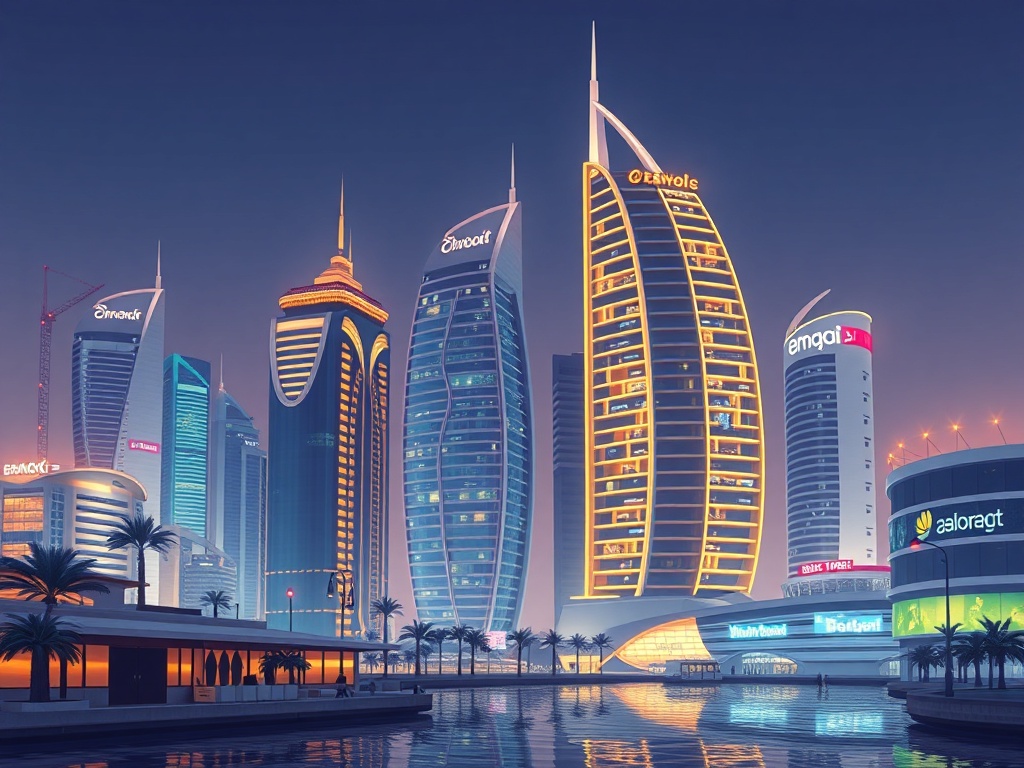
– Focus on sustainability and innovation: Public and private sectors are increasingly prioritizing green practices, circular economy initiatives, and clean-energy projects—presenting new opportunities for businesses with sustainable offerings.
Key steps to successful market entry
1. Choose the right company structure
Selecting between a free zone license and a mainland company is one of the first strategic decisions. Free zones are ideal for export-oriented businesses and sectors with specific incubators, while mainland setups are better for businesses targeting a local customer base or needing to tender for government contracts.
2. Understand regulatory and tax obligations
Dubai’s regulatory landscape is evolving; staying up to date with licensing requirements, economic substance rules, and corporate tax obligations is essential. Work with local legal and tax advisors to design the most efficient compliance strategy for your business model.
3. Open local banking and payment channels
Establishing local banking relationships and modern payment infrastructure is crucial for operational efficiency and trust. Consider fintech partners for faster onboarding and smoother cross-border payments.
4. Leverage free zones and sector ecosystems
Free zones specialized in tech, media, logistics, and healthcare provide tailored support services, networking opportunities, and sector-specific incentives. Choosing a zone aligned with the business’s core offering accelerates growth and reduces administrative burden.
5. Hire strategically and build a local network
Combine international talent with local hires who understand cultural and regulatory nuances. Participate in industry events and accelerators to build relationships with suppliers, customers, and potential partners.
Trends to watch and opportunities to target
– Fintech, payments, and embedded finance continue to grow as demand for digital financial services rises.
– Sustainable solutions—from renewable energy to green logistics—are increasingly favored by both regulators and customers.
– Digital transformation projects in traditional sectors (logistics, real estate, retail) create demand for SaaS, AI-driven analytics, and automation solutions.
– Cross-border e-commerce and regional distribution thrive on improved logistics and consumer adoption, opening doors for nimble brands.
Practical next moves
Conduct a market feasibility study, map the most suitable company structure, and engage a local business services provider to navigate licensing and banking.
Prioritize digital operations and sustainability credentials to align with the city’s strategic direction. With the right strategy and local partnerships, Dubai remains a powerful springboard for regional expansion and long-term growth.