Water scarcity is one of the Middle East’s most pressing challenges, shaping urban planning, agriculture, industry, and geopolitics across the region.
With arid climates and growing populations, governments and private sectors are turning to a mix of technology, policy, and regional cooperation to secure water resources and build resilience against drought and supply shocks.
Why water scarcity matters
Water underpins food security, public health, and economic growth.
Many cities rely heavily on imported water or energy-intensive desalination, while rural areas often face unreliable supplies for crops and livestock. Addressing scarcity is therefore about more than taps and reservoirs — it’s about sustainable development and long-term stability.
Desalination: more efficient, cleaner
Desalination remains a cornerstone solution, providing reliable freshwater where traditional sources are limited.
Advances in membrane technology, energy recovery systems, and large-scale reverse osmosis plants have driven down costs and improved efficiency. Crucially, integrating desalination with renewable energy — solar, wind, or hybrid systems — reduces carbon footprints and operational costs. Brine management is also improving through concentration technologies and beneficial brine uses, minimizing environmental impact on coastal ecosystems.
Wastewater reuse and circular water systems
Urban wastewater is increasingly viewed as a resource rather than waste.
Treatment technologies now enable high-quality reuse for agriculture, industrial cooling, and groundwater recharge. Adopting circular water systems — where treated wastewater, stormwater, and greywater are reintegrated into urban and agricultural uses — lowers demand for fresh sources and supports a more resilient supply chain.
Agricultural efficiency and crop choices
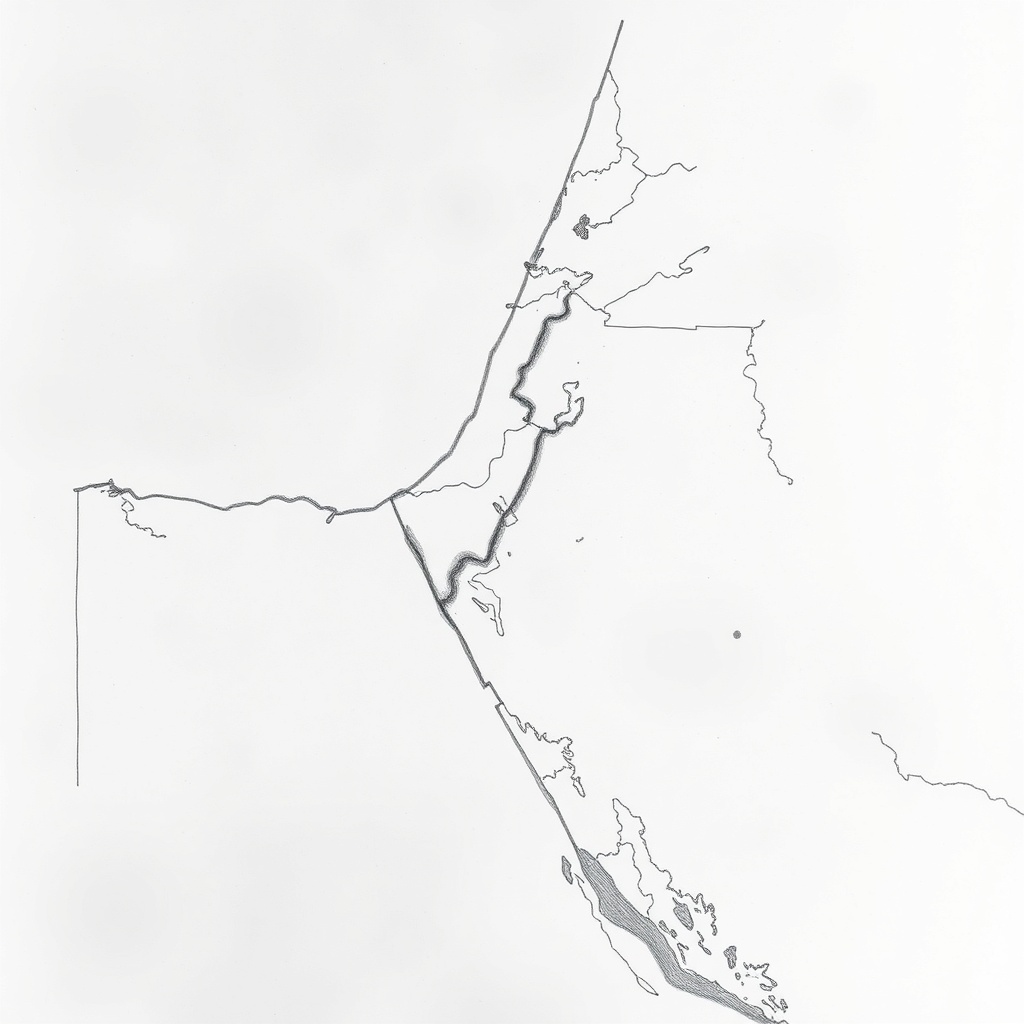
Agriculture consumes the largest share of water in many parts of the Middle East. Improving irrigation efficiency through drip systems, soil moisture sensors, and precision agriculture reduces waste. Shifting to less water-intensive crops, adopting controlled-environment agriculture like greenhouse and vertical farming, and improving seed varieties can significantly cut agricultural water demand while maintaining yields.
Policy, pricing, and governance
Smart policy design matters. Gradual reforms in water pricing, targeted subsidies, and incentives for efficient technologies encourage conservation without undermining access for vulnerable communities. Integrated water resources management, transparent data sharing, and cross-sector coordination help align urban planning, energy policy, and agricultural needs. Public engagement campaigns that build awareness around household conservation also play a role.
Regional cooperation and shared solutions
Water issues often cross borders, making diplomacy and shared investments essential.
Joint infrastructure projects, shared data platforms on hydrology and climate, and coordinated policies for river basin management reduce tensions and create economies of scale for expensive technologies like large desalination complexes or transboundary aquifer management.
Private sector innovation and finance
Private investment is unlocking new solutions, from modular desalination units to fintech for water utilities. Blended finance models and performance-based contracts help municipalities implement upgrades without bearing the full upfront cost. Startups focusing on low-cost sensors, leak detection, and real-time monitoring are making distribution networks smarter and less wasteful.
What to watch for
Expect continued convergence between water and energy solutions, more emphasis on reuse and circular systems, and deeper regional cooperation. Cities and agricultural systems that adopt integrated approaches will be better positioned to thrive under variable climate and supply conditions.
Practical steps for stakeholders
– Prioritize investments in efficient irrigation and leak detection
– Integrate renewables with desalination projects
– Promote wastewater reuse through regulatory support
– Foster regional data sharing and cooperative planning
– Use targeted subsidies to protect vulnerable populations while encouraging conservation
A multi-pronged approach — blending technology, policy, finance, and diplomacy — offers the best path to secure water for people, agriculture, and industry across the Middle East.