The hotel scene across the Middle East is evolving rapidly, blending timeless hospitality with modern expectations.
From desert palaces to boutique city hideaways, hotels are adapting to guest demand for sustainability, technology, wellness and authentic local experiences — and the region’s hospitality sector is responding with creativity and investment.
Sustainability as a selling point
Sustainable hotels are no longer niche. Properties are integrating solar energy, water reclamation, and efficient building systems to reduce environmental impact and operating costs.
Many hotels are also prioritizing locally sourced materials and cuisine, reducing food miles while supporting regional artisans and producers. For travelers who care about responsible travel, certifications and transparent sustainability reporting have become important selection criteria.
Tech-forward stays that still feel human
Technology is reshaping the guest journey without replacing service. Contactless check-in, mobile keys, and in-room tablets or apps are common, but the most successful hotels balance convenience with genuine personalization.
Data-driven guest profiles enable tailored in-room settings, curated dining offers, and proactive service — while human hosts remain central to delivering memorable moments.
Wellness and medical tourism
Wellness offerings have expanded from spa treatments to holistic programs that include sleep coaching, nutrition counseling, and movement classes. Resorts are designing wellness pathways that reflect local healing traditions and climate — for example, desert-based therapies or sea-salt treatments along coastal properties.
The region is also a growing hub for medical and aesthetic tourism, where high-quality clinical care is paired with upscale recovery accommodations and privacy.
Design that honors culture
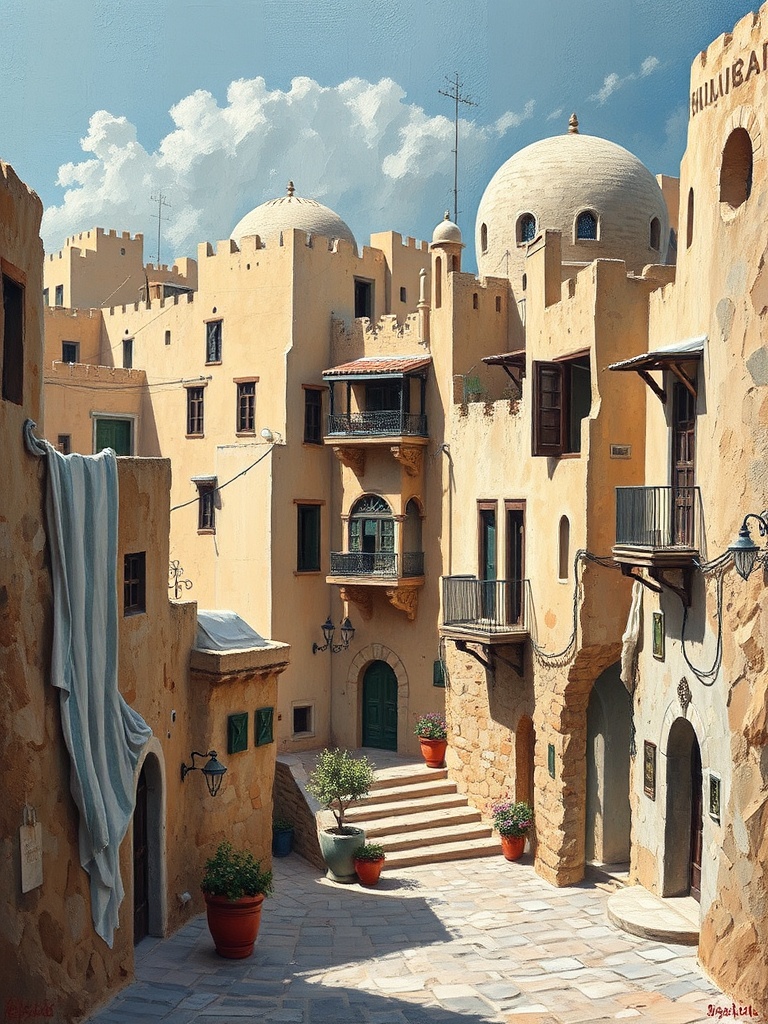
Architectural and interior design trends emphasize a contemporary take on regional heritage. Expect modern minimalism infused with traditional motifs, handcrafted textiles, and locally sourced stone and wood. This authentic design language creates a sense of place that resonates with international travelers seeking context-rich stays.
Boutique and lifestyle growth
While large luxury brands remain prominent, boutique and lifestyle hotels are expanding their footprint. These smaller properties focus on unique storytelling, intimate service, and niche programming — from art residencies to culinary pop-ups — appealing to guests who prioritize originality over standardization.
Food and beverage as a destination
Dining has become a primary reason to book a stay. Hotels are elevating culinary programs with celebrity chefs, local food halls, and immersive dining experiences that showcase regional flavors alongside international techniques. Sunset beach bars, rooftop lounges, and all-day marketplaces enhance the hotel’s position as a social hub.
Meetings, incentives and blended travel
Hotels are reimagining meeting spaces to accommodate hybrid events, with flexible ballrooms, advanced A/V, and outdoor options. The rise of “bleisure” travel — combining business and leisure — encourages properties to offer leisure add-ons, family-friendly services, and extended-stay amenities.
Safety, privacy and service excellence
Consistent service excellence remains a competitive edge. Hotels that clearly communicate hygiene protocols, privacy measures, and staff training gain guest confidence. Many properties are also tailoring experiences for high-net-worth and VIP travelers who expect discrete, curated services.
Choosing the right hotel
When selecting accommodation in the Middle East, prioritize location and experience type over brand alone. Consider whether you want immersive cultural programming, a wellness-focused retreat, or an ultra-luxury resort. Read recent guest feedback for insights into service consistency and operational practices, and look for hotels that transparently share sustainability and safety initiatives.
The hotel landscape in the Middle East is dynamic, offering a wide spectrum of options for every traveler. Whether seeking opulent splendor, eco-conscious stays, or boutique authenticity, properties in the region are increasingly designed to deliver meaningful, well-rounded experiences that reflect both global trends and local heritage.