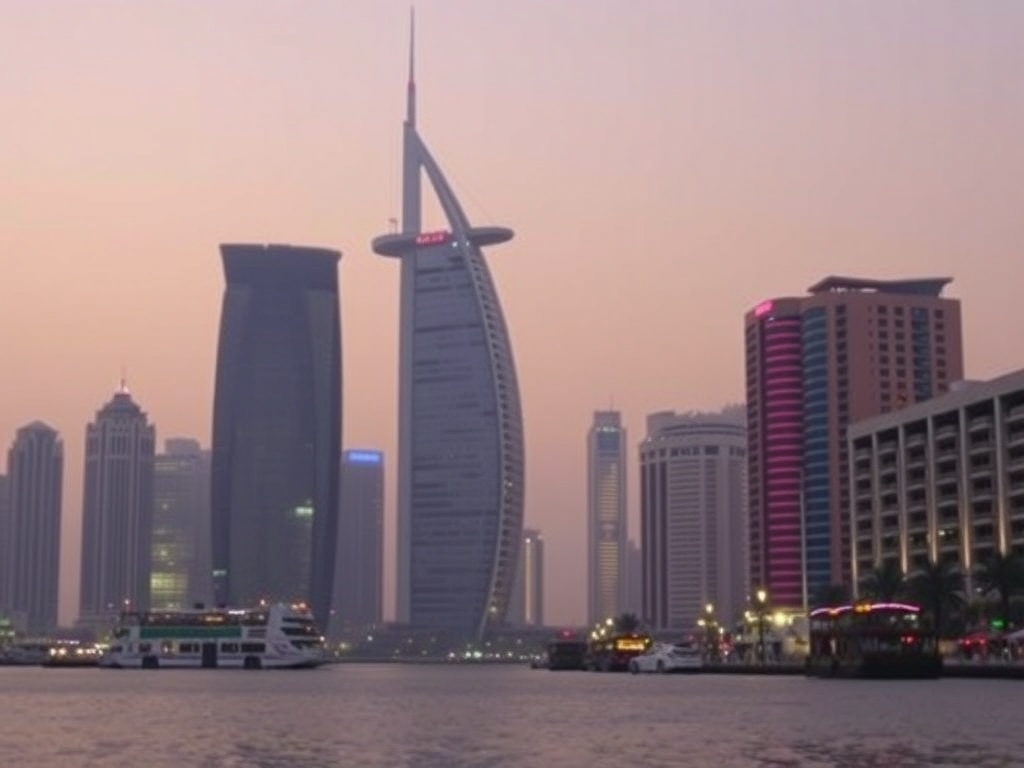
Dubai’s skyline is familiar around the globe, but the city’s quieter transformation toward sustainable urban living deserves equal attention. Energized by ambitious planning and wide-ranging private-sector innovation, Dubai is blending rapid growth with practical steps to reduce environmental impact and create healthier urban spaces.
What sustainability looks like in Dubai
Sustainable efforts are visible across multiple fronts: large-scale renewable energy projects, energy-efficient buildings, conservation areas on the city’s outskirts, and neighborhoods designed with circular-economy principles. These initiatives aim to balance the demands of tourism, commerce, and a growing resident population while conserving natural resources and increasing resilience to climate-related pressures.
Key examples shaping the city
– Renewable energy: Dubai hosts one of the world’s largest single-site solar parks, powering a significant portion of local demand and catalyzing private investment in rooftop solar for homes and businesses.
Utility programs and incentives support adoption across residential and commercial sectors.
– Sustainable neighborhoods: Masterplanned communities built around walkability, shared green spaces, and on-site renewable energy and water recycling showcase how life in Dubai can be both modern and low-impact. These neighborhoods often include community farms, electric vehicle (EV) charging, and waste-reduction programs.
– Conservation and green space: Urban design increasingly integrates desert-adapted landscaping, habitat restoration projects, and protected reserves on the city’s periphery that support biodiversity while offering residents nature-based recreation.
– Smart city integration: Data-driven traffic management, energy monitoring, and paperless municipal services reduce waste and improve efficiency.
Smart infrastructure helps optimize public transport, lowering overall emissions by making transit more convenient and reliable.
How residents and visitors can engage
– Choose greener transport: The city’s growing metro, tram, and bus networks are complemented by expanding EV charging infrastructure and bike-friendly routes in many neighborhoods. Opting for public transit or bike-sharing for short trips reduces carbon footprint and often saves time during peak periods.
– Stay and shop responsibly: A rising number of hotels and restaurants pursue green certifications and source locally grown produce. Seek out eco-certified accommodations and farm-to-table dining options to support sustainable supply chains.
– Visit sustainable destinations: Neighborhoods designed with low-impact living, urban farms, and conservation reserves are open to visitors who want to learn about the city’s green transition or spend time outdoors away from the high-rise cores.
– Support circular habits: Farmers’ markets, refill stores, and zero-waste initiatives are increasingly common. Bringing a reusable bottle, buying local produce, or participating in community recycling and compost programs makes a measurable difference at scale.
Why Dubai’s approach matters
Dubai’s model demonstrates how a fast-growing metropolis can integrate sustainability without sacrificing innovation or economic vitality. By pairing large infrastructure projects with neighborhood-level solutions and smart-city technology, the emirate is creating a layered strategy that addresses energy, water, mobility, and quality of life simultaneously.
For anyone interested in urban sustainability—planners, entrepreneurs, residents, or travelers—Dubai offers a living laboratory of ideas that are scalable and adaptable. Whether the focus is clean energy deployment, green building practices, or circular-economy experiments, the city’s evolving landscape provides practical examples worth watching and visiting.