Dubai restaurants deliver a mix of spectacle, heritage and serious culinary craft that keeps food lovers coming back. From skyline-view fine dining and beachfront seafood to intimate Emirati eateries and experimental café scenes, the city offers options for every mood and budget.
What to expect
– Diverse cuisine: The dining scene blends Middle Eastern classics with bold international flavors — Levantine mezze, Persian grill, Indian spice-forward dishes, East Asian tasting menus and modern European plates are all widely available.
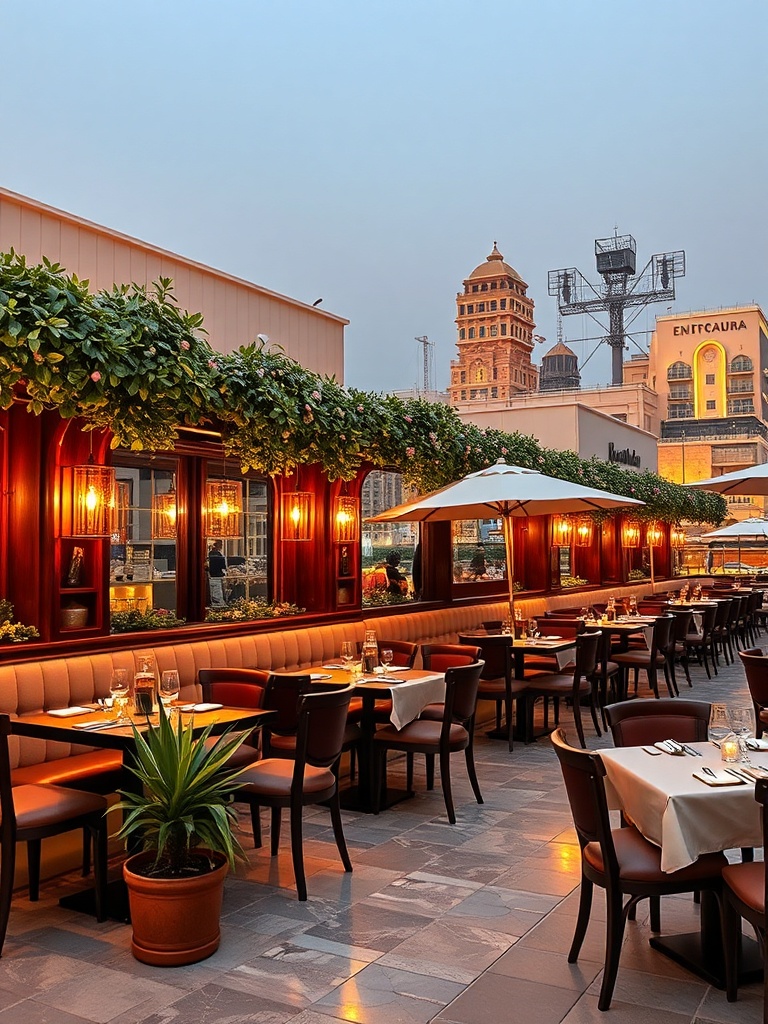
– Dramatic settings: Rooftop terraces, glass-walled towers, seaside pavilions and historic creekside courtyards create memorable backdrops. Many venues emphasize views as much as flavor.
– Quality and service: World-class restaurants and hotel dining rooms often match international standards for service, while neighborhood cafés offer relaxed, community-driven hospitality.
Neighborhoods worth exploring
– Downtown and DIFC: Known for upscale restaurants, chef-driven concepts and sophisticated wine lists. Great for power lunches, tasting menus and late-night cocktails.
– Jumeirah and Dubai Marina: Beachfront and marina-side dining shine here, with seafood specialists and Mediterranean bistro styles that favor al fresco eating.
– Al Quoz and Alserkal Avenue: The creative quarter has become a hub for experimental cafés, art-adjacent pop-ups and casual spots serving thoughtfully sourced food.
– Old Dubai (Al Fahidi, Al Seef, Deira): For traditional flavors and market-to-table experiences, explore spice-scented lanes, historic wind-tower cafés and creekside dhows.
Practical tips for dining
– Reservations: Popular restaurants often require advance bookings, especially for weekends and sunset slots. Many venues offer online booking and concierge services.
– Dress code: Smart casual is typical for upscale spots; hotel restaurants and rooftop venues may require a sharper look after dark.
Beach clubs follow their own guidelines.
– Alcohol and IDs: Alcohol is served in licensed venues; carrying ID is standard. Be mindful of local customs around public behavior.
– Payments and tipping: Major credit cards are widely accepted; digital wallets are increasingly popular. Service charges may be included, but an additional tip of around ten percent is common for good service.
– Dietary needs: Vegetarian, vegan and gluten-free options are increasingly available across cuisine types. Halal standards are widely observed.
Trends shaping the scene
– Local and seasonal sourcing: Chefs are placing more emphasis on regional produce and responsibly caught seafood, with rooftop and desert farms supplying boutique ingredients.
– Plant-forward menus: Many restaurants now feature creative plant-based options that appeal to flexitarians as well as vegans.
– Intimate chef’s experiences: Tasting menus, chef’s tables and private dining rooms offer immersive culinary journeys for small groups.
– Sustainable practices: Expect to see efforts toward waste reduction, reusable packaging, and ethical sourcing on more menus.
Making the most of a visit
Plan to mix landmark dining with neighborhood discoveries. Reserve a signature meal with a view and balance it with a casual market visit, a late-afternoon café stop, or a waterfront seafood night. Whether seeking haute cuisine or authentic local flavors, Dubai restaurants offer an adventurous and polished culinary landscape that rewards curiosity and planning.