Middle East hotels are reshaping what travelers expect from hospitality. From towering urban landmarks to secluded desert sanctuaries and intimate boutique riads, the region blends dramatic architecture, rich local culture, and modern comforts. Whether you’re planning a business trip, a wellness getaway, or a culinary tour, understanding current hotel trends helps you choose the right stay.
What’s shaping hotels in the region
– Experiential luxury: Today’s properties emphasize experiences over mere opulence. Guests look for authentic local encounters—guided souk visits, private dhow cruises, Bedouin dinners in the dunes, and partnerships with local artisans for in-hotel workshops.
– Sustainability and resource efficiency: Water-conscious landscaping, solar energy, waste-reduction programs, and responsible seafood sourcing are increasingly visible. Many hotels are retrofitting older assets to meet green certification standards and communicate their sustainability credentials to guests.
– Wellness and design-led retreats: Spas now integrate regional therapies, thermal circuits, and outdoor wellness—yoga on a rooftop, salt-room sessions, and desert-mindfulness walks.
Architecture often frames views and breezeways to enhance natural ventilation and daylight.
– Technology and personalization: Contactless check-in, mobile keys, AI-assisted concierge services, and in-room personalization (preferred lighting, room scent, and minibar choices) are standard in upscale properties. Robust back-of-house tech also enables faster, more tailored guest services.
– Culinary diversity: International fine dining sits alongside hyper-local menus that spotlight Levantine, Gulf, and North African flavors. Farm-to-table sourcing, zero-waste kitchens, and collaborations with celebrity chefs create compelling food-focused stays.
Choosing the right hotel for your trip
– Match location to purpose: For business and events, properties near conference centers and airports save time. For leisure, beach resorts, oasis-side lodges, and historic city centers offer more immersive experiences. Consider proximity to public transit or arranged transfers.
– Look beyond star ratings: Check recent guest reviews for service consistency and maintenance. Photos can be staged—pay attention to verified guest images and recent comments about cleanliness, noise, and actual room size.
– Check cultural and seasonal considerations: During religious observances, restaurants, pool hours, and entertainment schedules may adjust—hotels usually publish guidelines for guests. Respectful dress and behavior expectations vary, so review hotel recommendations before arrival.
– Prioritize sustainability and wellness if those matter to you: Search for properties with clear sustainability policies and wellness offerings.
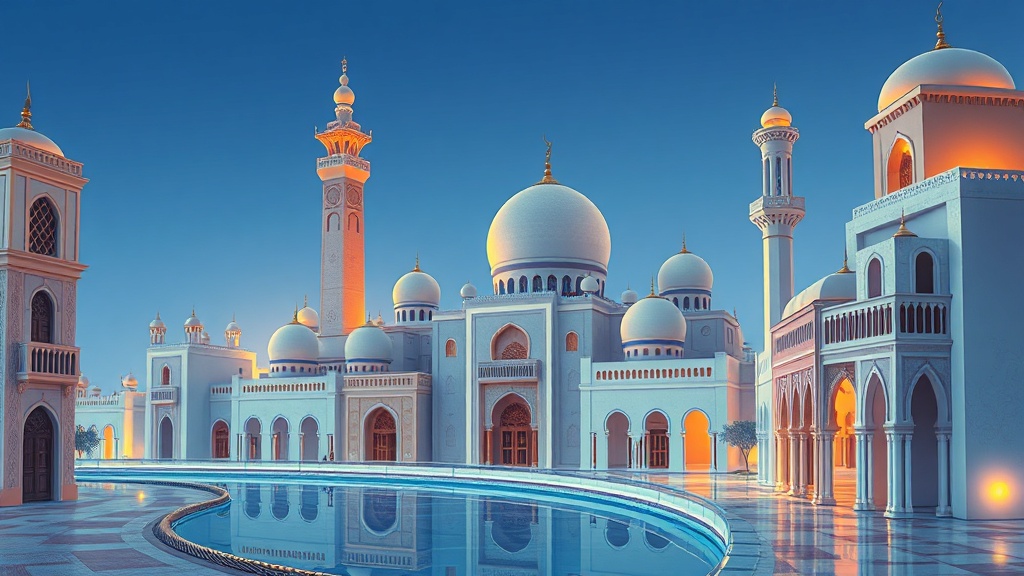
Many hotels now list initiatives—water reuse systems, local hiring practices, and community programs—on their websites.
Booking tips to get more value
– Book direct when possible: Many hotels offer price-match guarantees, free upgrades, or credits when you reserve through their official channels. Loyalty programs can deliver perks like late check-out and complimentary breakfast.
– Consider package experiences: Properties often bundle spa treatments, cultural excursions, and dining credits into attractive packages that save both time and money.
– Read the cancellation policy closely: Flexible rates are common but sometimes come with premium pricing. If plans may change, opt for refundable options or travel protection plans.
The regional hotel scene is dynamic and guest-focused.
With a mix of innovation and cultural authenticity, Middle East hotels now deliver curated stays for diverse traveler preferences—luxury with purpose, tech-enabled convenience, and genuine local connection all under one roof.