Middle East hotels are evolving beyond traditional luxury, blending culture, sustainability, and high-touch service to create stays that feel both modern and deeply rooted. Travelers can expect a mix of towering urban icons, intimate boutique properties, and serene desert or coastal resorts — each aiming to tell a local story through design, food, and curated experiences.
Design and cultural authenticity
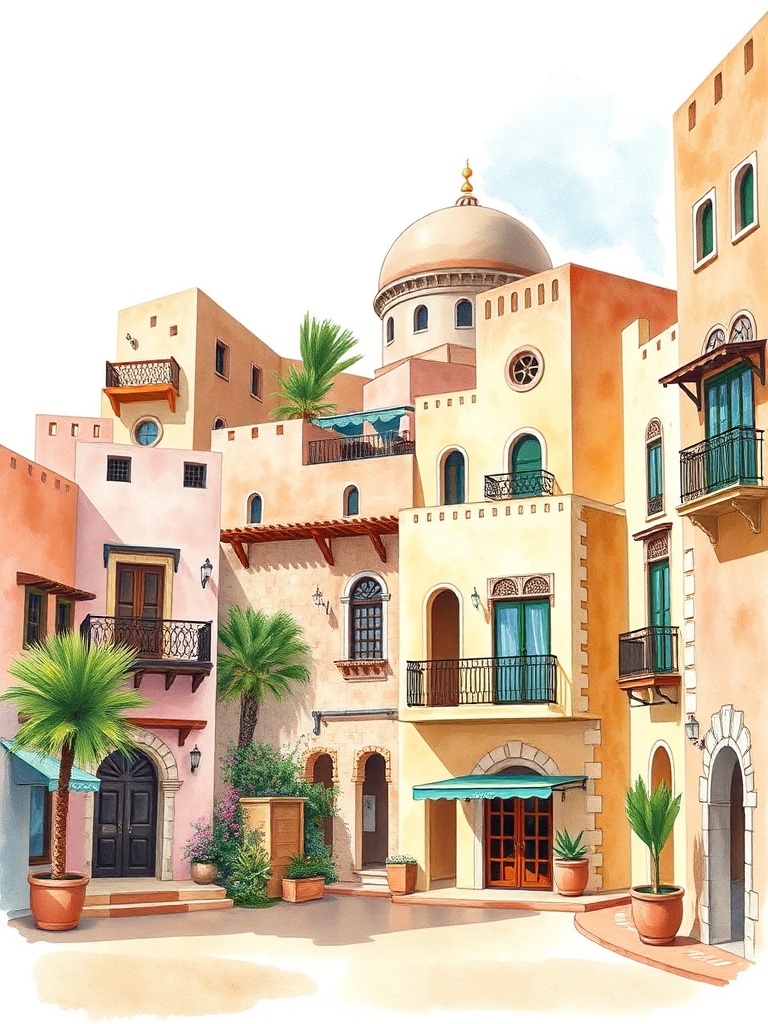
Many properties are leaning into regional craftsmanship and heritage. Expect interiors that showcase local textiles, handcrafted tiles, and contemporary takes on architectural motifs. Boutique hotels in older districts often convert historic homes or palaces, preserving original features while adding modern comforts.
This emphasis on authenticity appeals to travelers who want more than a room — they want immersion.
Sustainability as a selling point
Sustainable hotels are no longer niche. Energy-efficient systems, solar power, water-conserving technologies, and responsible sourcing are becoming standard talking points. Hotels are reducing single-use plastics, implementing linen-reuse programs, and partnering with local suppliers to lower food miles. For eco-minded travelers, look for properties that publish sustainability practices and local community initiatives.
Technology that enhances convenience
Expect streamlined stays with contactless check-in, mobile room keys, and smart-room controls that let guests manage lighting and climate from a device. Hotels are also investing in reliable high-speed internet, dedicated workspaces, and flexible meeting rooms to cater to business travelers and remote workers. These tech upgrades improve comfort without sacrificing the personal hospitality that defines the region.
Culinary experiences and local sourcing
Food is a central part of the Middle East hotel experience.
Many hotels showcase regional cuisine through farm-to-table menus, rooftop dining, and food halls that spotlight local vendors. Celebrity chefs and culinary residencies elevate hotel dining, but equally compelling are properties emphasizing street-food-style offerings and traditional recipes crafted from local ingredients.
Wellness, privacy, and bespoke experiences
Wellness offerings extend beyond spas to include holistic programs: curated fitness, meditation, nutritional guidance, and wellness retreats set in quiet desert or coastal locations. Private villa experiences, personalized excursions, and tailored in-room services are increasingly common, appealing to high-net-worth travelers seeking privacy and customization.
Experiences beyond the property
Hotels are curating local experiences — guided souk tours, heritage walks, desert safaris, and cultural workshops with artisans. Partnership-driven excursions allow guests to connect with local communities and traditions while supporting small businesses. Travelers should ask concierge teams for tailored, off-the-beaten-path activities that reflect the destination’s character.
Practical booking tips
Book directly with hotels to access added perks like room upgrades, flexible cancellation, or on-property credits.
For seasonal destinations, flexible dates and midweek stays can yield better rates and fewer crowds. Read recent guest reviews focused on service consistency and cleanliness rather than only star ratings.
Respectful travel and cultural awareness
Hospitality offerings vary across the region, and cultural norms influence everything from dress codes to public behavior. Respect local customs and hotel guidance to ensure a comfortable stay. Many properties are happy to advise on appropriate etiquette and suggested activities.
Bottom line: Middle East hotels are balancing tradition with modern expectations. Whether seeking a palace-style suite, a minimalist boutique, or an eco-conscious resort, travelers will find a wide range of thoughtfully designed options that celebrate place, prioritize comfort, and aim to deliver memorable, locally rooted experiences.