Dubai remains one of the most dynamic business climates globally, blending a pro-business regulatory environment with world-class infrastructure and a cosmopolitan talent pool. Whether you’re launching a startup, expanding a regional office, or shifting supply-chain operations, Dubai’s ecosystem offers distinct advantages — plus a few practical considerations entrepreneurs should know.
Why businesses choose Dubai
– Strategic location: Sitting between major markets in Asia, Europe and Africa, Dubai offers fast air and sea links for time-sensitive trade. Jebel Ali Port and Dubai International Airport form efficient gateways for cargo and passenger movement.
– Business-friendly structures: A broad choice of company structures makes it easy to match legal form to your plans — from free zone entities offering full foreign ownership to mainland companies that provide direct access to the local market.
– Financial and legal hubs: International financial centres and regulated marketplaces attract global banks, investors and professional services. Common-law-style courts and robust dispute-resolution frameworks add predictability for cross-border deals.
– Talent and lifestyle: A diverse labor pool, modern living standards and extensive leisure infrastructure help attract and retain skilled employees across sectors.
Key sectors to watch
– Fintech and digital payments: Supportive licensing regimes, dedicated fintech accelerators, and strong investor interest make Dubai attractive for payment platforms, neobanks and blockchain-enabled services.
– Logistics and e-commerce: Advanced warehousing, efficient customs processes and integrated logistics corridors support rapid fulfilment operations for regional e-commerce businesses.
– Tourism and hospitality: Ongoing investment in experiences, events and attractions keeps demand for hospitality, F&B and related services robust.
– Sustainability and clean tech: Incentives for green construction, renewable energy projects and circular-economy initiatives encourage companies with environmental credentials.
Practical setup tips
– Free zone vs mainland: Choose a free zone for sector-specific benefits and full foreign ownership, but select a mainland company if you need unfettered access to the local market and government contracts. Compare licensing costs, visa quotas and office requirements before deciding.
– Licensing and compliance: Business licenses are sector-specific; some activities require additional approvals.
Value-added tax and a corporate tax regime both apply — integrate these into pricing and financial projections.
– Real estate and office strategy: Flexible coworking solutions and commercial towers are widely available.
Short-term leases and plug-and-play office packages help scale overheads with growth.
– Banking and payments: Expect thorough onboarding checks; prepare corporate documents, beneficial ownership information and a clear business plan to speed bank approvals.
– Talent and visas: A range of residency and investor visa options, plus remote-work permits, support mobility. Factor recruitment timelines and local labor regulations into hiring plans.
Growing with Dubai
Scale your business by leveraging local accelerators, trade missions and industry clusters.
Building relationships with local partners, sponsors or service providers helps navigate procurement rules and cultural nuances. Invest in compliance and transparent governance early to attract corporate clients and institutional investors.
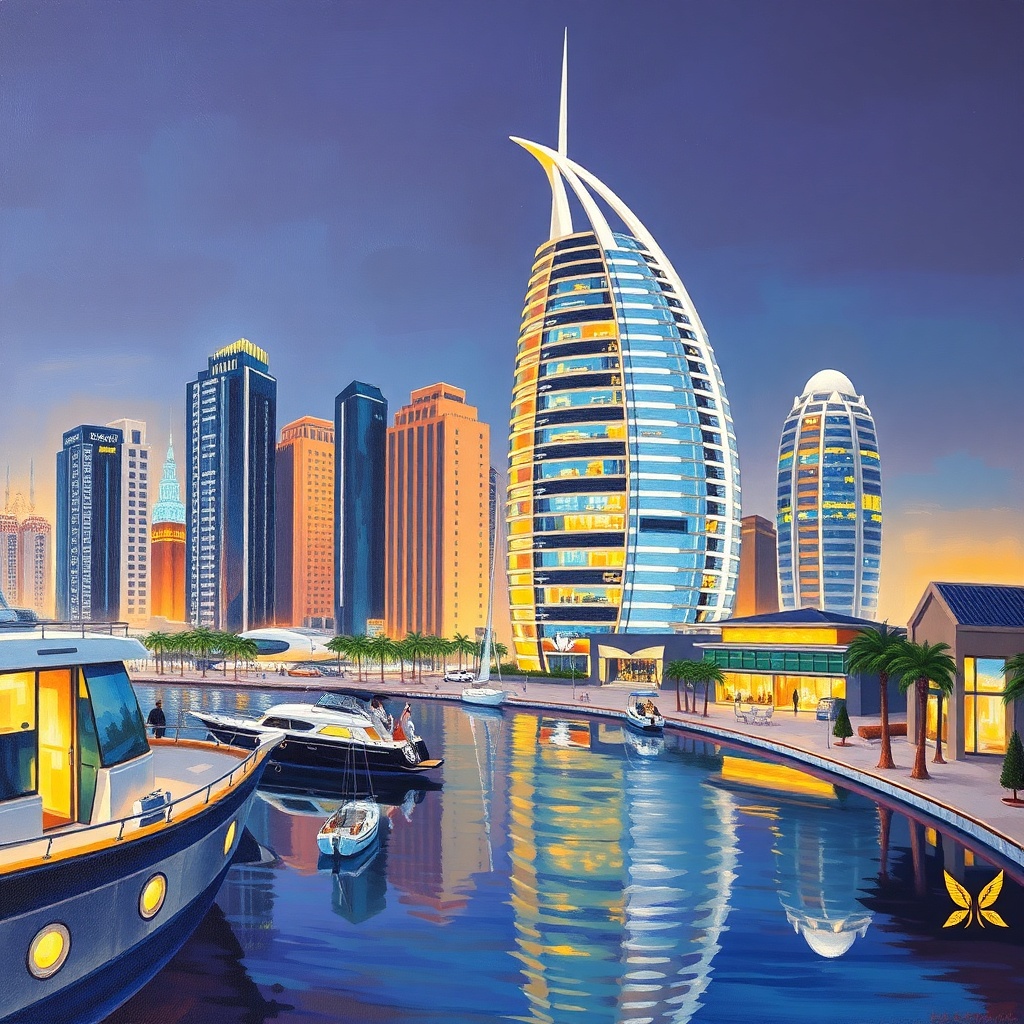
For new entrants, professional advice tailored to your sector will reduce friction and speed market entry. Dubai’s combination of connectivity, infrastructure and policy incentives continues to make it an attractive hub for companies aiming to establish or expand a regional presence.