Middle East hotels are redefining hospitality by blending timeless hospitality with cutting-edge design, sustainability, and culturally immersive experiences. Whether seeking desert tranquility, urban skyline luxury, or boutique heritage stays, travelers will find a broad spectrum of properties that cater to every preference and travel style.
What’s driving change
– Elevated luxury and branded residences: International brands continue to expand, offering multi-bedroom residences and tailored butler services that appeal to families and long-stay guests.
– Local design and adaptive reuse: Historic palaces, renovated souks, and converted urban buildings are popular for travelers who want authentic settings with modern comforts.
– Wellness and experiential travel: Spa programs, curated fitness retreats, and nature-based activities (dune experiences, coastal sports, desert stargazing) are integral to many hotel offerings.
– Sustainability and energy efficiency: Hotels are investing in water-saving technologies, renewable energy, and responsible sourcing to reduce environmental impact and meet guest expectations.
– Tech-forward stays: Contactless check-in, mobile keys, voice-enabled rooms, and in-room streaming are becoming standard in higher-end and midscale properties.
Regional highlights
– Desert resorts: Resorts positioned near dunes focus on privacy and immersive local culture—think guided camel treks, private dinners under the stars, and architecture that maximizes views and cooling.
– Urban skyline hotels: Cities are home to landmark towers offering rooftop bars, panoramic lounges, and integrated shopping and entertainment complexes—ideal for business travelers and city explorers.
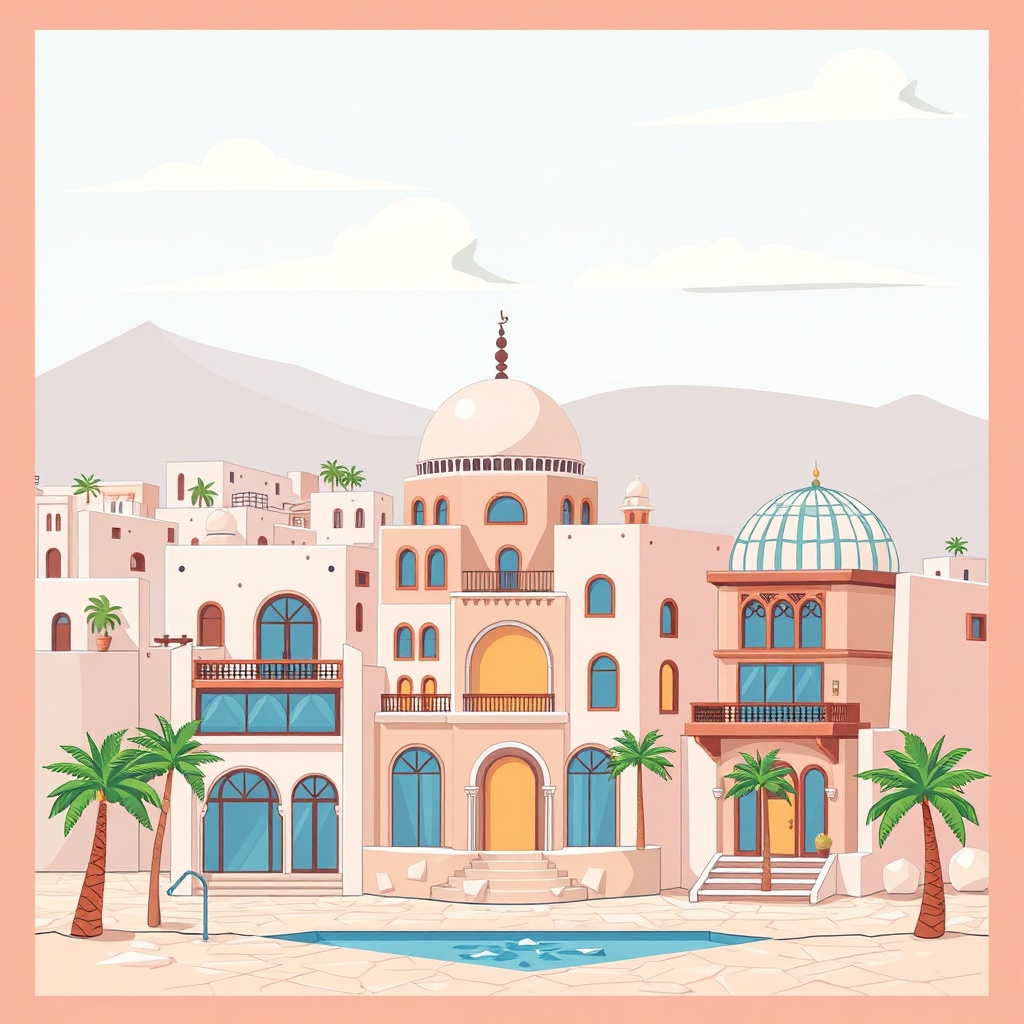
– Boutique and heritage stays: Restored riads, townhouses, and boutique hotels in old quarters provide a sense of place with personalized service and intimate design.
What travelers should look for
– Location and access: Proximity to airports, business districts, or historic neighborhoods can dramatically affect convenience. Consider transfer times and local transportation options.
– Halal-friendly and family services: Many hotels provide halal dining, prayer facilities, family suites, kids’ clubs, and babysitting—important for families and culturally observant guests.
– Safety and hygiene standards: Look for visible cleanliness protocols, well-reviewed housekeeping practices, and transparent health policies.
– Dining and culinary experiences: Regional cuisine-focused restaurants, chef’s tasting menus, and farm-to-table sourcing enhance the stay; some hotels partner with local producers for unique dining events.
– Loyalty and value: Many international chains offer points and benefits that can provide extras like room upgrades, late checkout, or complimentary breakfasts—worth checking before booking.
Tips for booking
– Compare direct-book rates and loyalty benefits versus OTAs; sometimes direct-book perks outweigh slightly lower third-party prices.
– Check cancellation policies and flexible booking options, especially for multi-leg itineraries.
– Be mindful of local holidays and observances—service patterns, dining hours, and city activity may change during religious or national events.
– Read recent guest reviews for current insights into service consistency, renovation works, or operational changes.
Future-facing stays
Hotels that pair local authenticity with modern amenities are resonating most with guests.
Expect more properties to emphasize low-impact operations, meaningful cultural programming, and personalized services that make each stay feel unique. Whether staying in a cosmopolitan tower or a secluded desert lodge, attention to design, responsible practices, and guest experience is shaping the next wave of hospitality in the region.