Middle Eastern hotels are synonymous with luxury, opulence, and unrivaled hospitality, offering a seamless blend of traditional culture with avant-garde amenities. From sumptuous suites to culinary delights, the region’s hotels are a testament to the rich heritage and relentless pursuit of excellence.
1. Epitome of Luxury
Today, the Middle East’s hotel sector stands as a beacon of luxury in the global hospitality landscape. Spacious rooms adorned with plush interiors, grand lobbies, and world-class service are the standard across the region. Hotels in Dubai, Abu Dhabi, and Riyadh, to name a few, pride themselves on their luxurious offerings, taking the guest experience to unprecedented heights. The Burj Al Arab in Dubai, for instance, known for its sail-like silhouette against the city’s skyline, offers a tantalizing taste of the lavish lifestyle with interiors adorned in gold-leaf and a helipad on the terrace.
2. A Gastronomic Adventure
Middle Eastern hotels offer an impressive array of dining options, transporting guests on a gastronomic adventure.
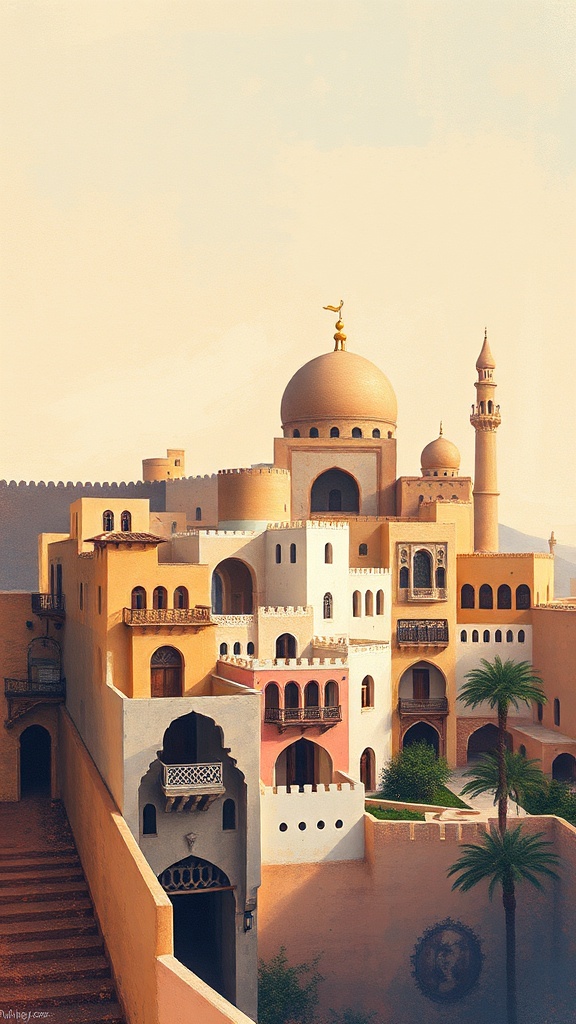
Hotels in the region are home to several Michelin-starred restaurants and renowned chefs who present a perfect fusion of local flavors and international cuisine.
The culinary experience is not merely restricted to dining but extends to cooking classes, wine tastings, and more, offering a holistic food journey.
3. Wellness and Rejuvenation
Wellness has become a cornerstone of the Middle East’s hotel offerings, reflecting the region’s enduring emphasis on health and well-being. Many hotels house tranquil spa retreats that use traditional Middle Eastern remedies such as hammams and Moroccan baths. These wellness centers often incorporate natural local ingredients like Dead Sea minerals, Arabian coffee, and dates in their therapies, offering a unique and rejuvenating experience for guests.
4. Sustainability Initiatives
With the increasing importance of eco-friendly practices in the hospitality industry, many Middle Eastern hotels are adopting green policies.
These initiatives range from reducing water and energy usage to sourcing local and sustainable food for their restaurants. Several hotels in the region are also integrating traditional cooling and heating methods, like wind towers, into their architectural design to further reduce their environmental impact.
5. Cultural Immersion
An essential element of Middle Eastern hospitality lies in the promotion of local culture and traditions. Hotels in the region often showcase local art and crafts, host cultural festivals, and provide tours to traditional markets, offering guests an immersive cultural experience.
Some hotels even offer Arabic language lessons or traditional cooking classes, allowing visitors to carry a piece of their journey home with them.
Today, the Middle East’s hotel sector is pushing the boundaries of luxury hospitality, enhancing its offerings and continuously adapting to cater to the evolving demands of global travelers. With their blend of modern luxury, traditional charm, and environmental consciousness, these hotels are successfully carving a unique niche in the global hospitality landscape.
The journey into the rich tapestry of Middle Eastern hospitality is one that promises an array of delights and surprises, making each stay an unforgettable experience.