Middle East hotels are redefining luxury travel by blending cultural authenticity, cutting-edge tech, and conscious hospitality. From coastal resorts with private beaches to intimate riad-style properties and modern urban skyscrapers, the region’s hotel scene offers a wide spectrum for every traveler — whether seeking indulgence, adventure, or business-ready facilities.
What’s shaping hotel choices today
– Personalization and smart tech: Guests expect seamless, personalized stays. Contactless check-in, mobile room keys, AI-backed concierge services, and in-room voice controls are common features. Properties that combine high-tech convenience with human touchpoints stand out.
– Sustainability as a selling point: Eco-friendly practices, from rooftop solar and water recycling to plastic-free operations and farm-to-table dining, are increasingly important. Hotels that can demonstrate measurable sustainability credentials attract conscious travelers and corporate groups alike.
– Wellness and restorative experiences: Beyond spas, hotel wellness programs now include curated sleep services, nutrition-forward menus, mindfulness sessions, and active recovery offerings such as cryotherapy and infrared saunas. Retreat-style packages are popular for guests wanting more than a standard spa day.
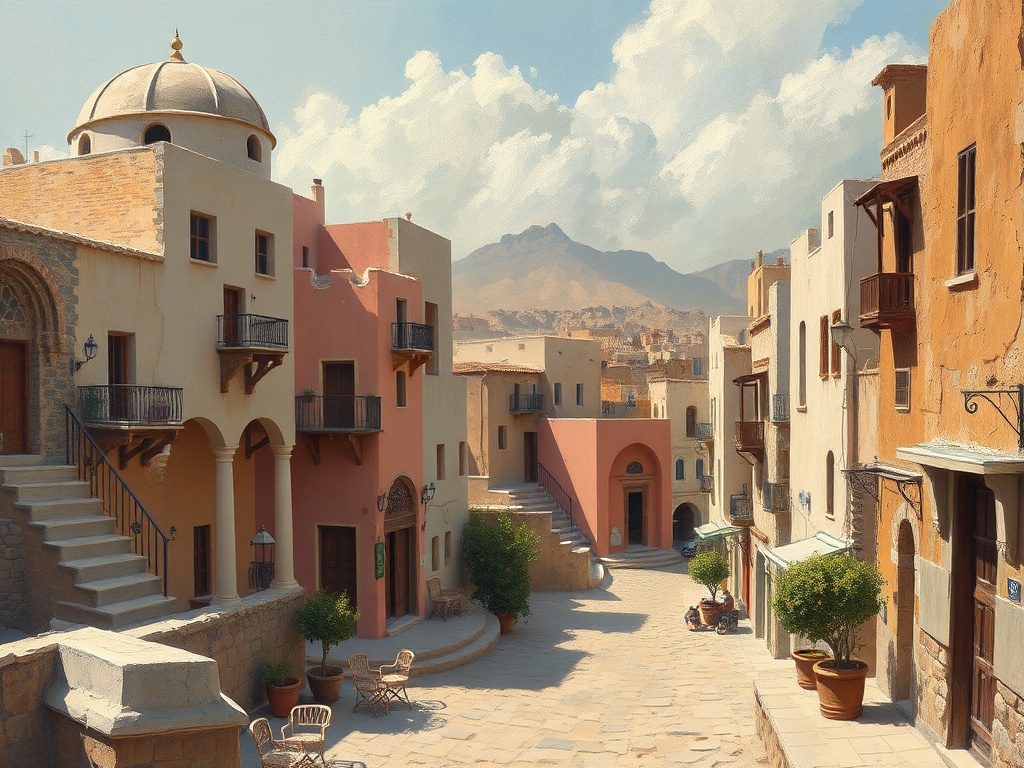
– Localized design and authentic storytelling: Travelers are drawn to hotels that reflect local heritage through architecture, art, and culinary storytelling. Boutique properties that spotlight artisans and regional ingredients create a memorable sense of place that large chains sometimes struggle to replicate.
– Flexible meeting and event spaces: With business travel patterns evolving, hotels are adapting with modular meeting rooms, hybrid-event technology, and lifestyle-oriented workspaces that cater to incentive groups, conferences, and digital nomads.
Standout guest experiences
– Culinary exploration: Fine dining remains a cornerstone, but food-focused stays now emphasize local sourcing and chef-driven tasting menus. Street-food tasting tours, on-property markets, and cooking classes connect guests more directly with regional flavors.
– Adventure and nature integration: Hotels located near deserts, mountains, and coastlines package guided experiences — dune safaris, protected-areas bird watching, and marine conservation activities — that transform a stay into an immersive trip.
– Rooftop and pool culture: Rooftop bars and infinity pools overlooking cityscapes or coastlines are powerful differentiators. Properties that curate a vibrant social scene alongside serene hideaways appeal to both leisure and social-driven travelers.
Choosing the right hotel
– Define priorities: Decide what matters most — location, culinary offerings, family amenities, or wellness programs — then narrow options accordingly.
– Check sustainability and safety credentials: Look for transparent reporting on environmental initiatives and up-to-date health and safety protocols.
– Look beyond star ratings: Reviews, photos, and property-generated itineraries offer better insight into the guest experience than stars alone.
– Book directly when possible: Direct bookings frequently include better rates, upgrades, or flexible cancellation — and support hotel loyalty benefits.
The future mindset
Hotels in the Middle East continue to innovate, balancing high design, experiential programming, and operational resilience. Travelers who value authenticity, responsible tourism, and tech-enabled convenience will find properties that meet those expectations. Whether seeking a landmark luxury stay, a boutique cultural escape, or a business-ready urban base, the region’s hotels are geared toward memorable, personalized stays that resonate long after checkout.