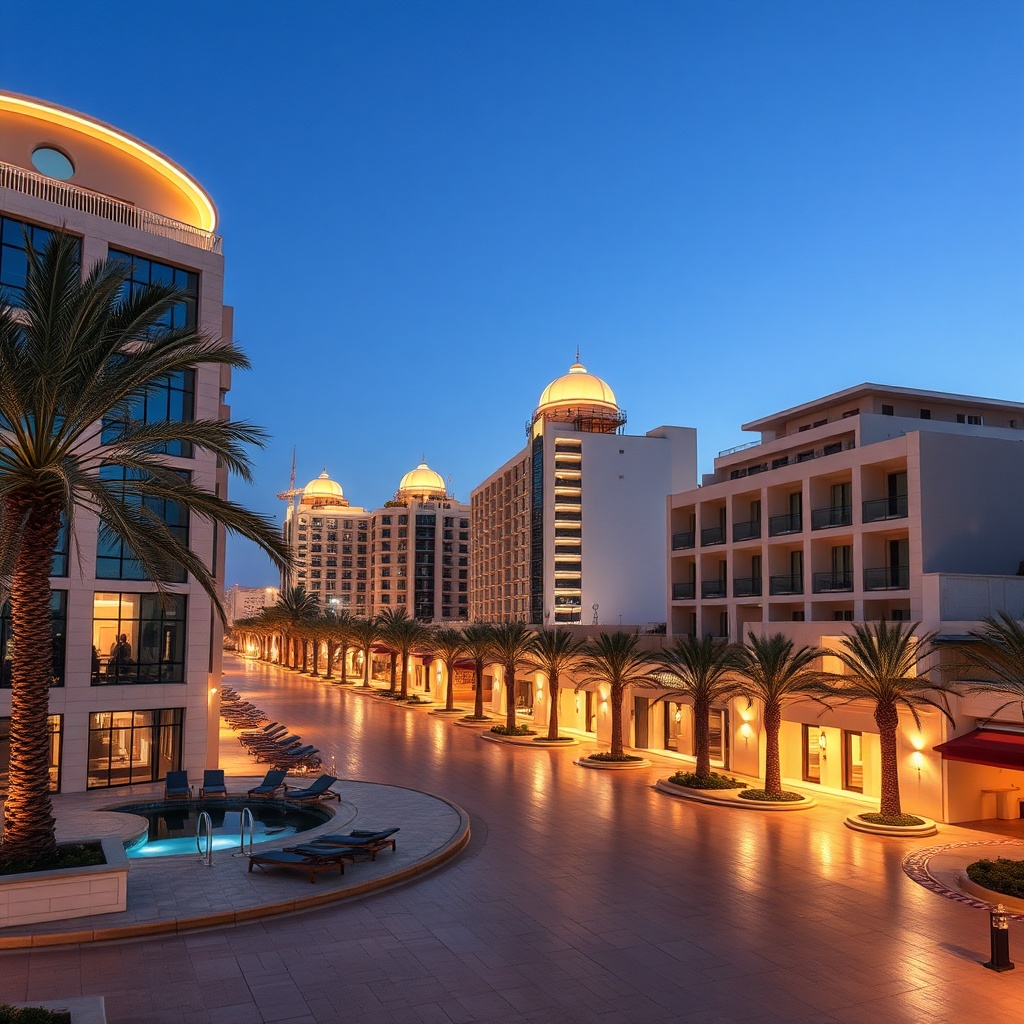
Middle East hotels are redefining hospitality with a blend of timeless tradition and modern innovation. From city-center skyscrapers and restored palaces to secluded desert resorts and boutique riads, the region offers diverse stays that cater to luxury travelers, culture seekers, wellness enthusiasts, and business guests alike.
What travelers are looking for
Guests currently prioritize experiences over mere accommodation. Authenticity is key: visitors want locally inspired design, regional cuisine crafted by local chefs, guided cultural excursions, and curated workshops—from calligraphy to local cooking. Wellness continues to be a major draw, with many properties offering integrated spa experiences that pair traditional therapies, such as hammams and desert-inspired treatments, with contemporary wellness programs like mindfulness, sleep optimization, and personalized fitness coaching.
Design and sustainability
Hotel architecture often nods to vernacular styles while applying contemporary luxury. Expect courtyards, mashrabiya screens, and artisan finishes alongside floor-to-ceiling glass and panoramic city views. Sustainability has moved from optional to strategic: leading properties adopt solar energy, advanced water recycling, and low-impact landscaping suited to arid climates. Food waste reduction, seasonal and local sourcing, and partnerships with community suppliers not only reduce footprints but also enrich the guest experience.
Tech that enhances, not replaces
Technology aims to streamline the guest journey without sacrificing personal service.
Contactless check-in, mobile keys, in-room smart controls for lighting and climate, and digital concierge services make stays more convenient. Back-of-house systems focus on energy efficiency and predictive maintenance to keep operations smooth. Digital personalization tools help staff anticipate preferences, enabling more meaningful human interactions on arrival.
Experiential and niche offerings
Desert camps and remote eco-lodges provide immersive stargazing, dune adventures, and cultural programming anchored by local guides.
City hotels lean into culinary storytelling with chef’s tables, market-to-table experiences, and collaborations with well-known restaurateurs. Heritage conversions—palaces, forts, and medina houses—offer intimate, place-based stays that are especially popular among travelers seeking photographic, culturally rich visits.
Business travel and meetings
Meeting and event spaces are evolving to support hybrid formats and creative programming. Hotels are designing multifunctional venues that can shift from focused boardrooms to experiential brand events. Bleisure travel remains important—business travelers often extend stays to explore local attractions, and hotels that cater to both work and leisure needs perform well.
What to look for when booking
– Location and access to experiences: proximity to cultural sites, nature, or business districts will shape the stay.
– Authentic dining: properties that collaborate with local producers and chefs tend to offer the most memorable meals.
– Wellness offerings: look beyond a spa to programs that integrate nutrition, sleep, movement, and mindfulness.
– Sustainability commitments: clear policies on energy, water, waste, and community partnerships reflect long-term value.
– Flexibility and service: flexible booking, helpful concierge planning, and thoughtful room amenities matter most.
Travelers should check visa and local entry requirements before booking and consider purchasing flexible rates for uncertain plans.
For hoteliers, investing in local storytelling, measurable sustainability, and human-centered tech will help attract discerning guests seeking meaningful stays rather than just a place to sleep. The result is a hotel scene that honors tradition while embracing the future—one stay at a time.