Middle East hotels continue to shape global hospitality with a mix of grand luxury, boutique heritage stays, and purpose-built eco-resorts. Whether travelers seek glittering city skyscrapers, intimate desert retreats, or coral-fringed beach escapes, the region offers accommodations that blend opulence, culture, and innovation.
What makes Middle East hotels stand out
– Signature architecture and design: Hotels range from ultra-modern towers with panoramic city views to restored palaces and traditional courtyard riads.
Designers often combine local materials and motifs with contemporary comforts, delivering a strong sense of place.
– Diverse landscapes, diverse stays: Urban centers host business-focused luxury properties; coastal areas feature diving-friendly resorts and family beaches; desert locations offer immersive camps and wellness sanctuaries that emphasize privacy and stargazing.
– Culinary experiences: Many properties showcase regional culinary traditions with tasting menus, live-fire cooking, and curated food trails. Expect opportunities for authentic dining—from street-food-inspired pop-ups to refined multi-course meals using local spices and seafood.
Key trends shaping guest experiences
– Sustainability and responsible tourism: Hotels are investing in water-efficient systems, solar power, waste reduction, and sourcing local produce.
Certifications and transparent sustainability reporting are increasingly important to eco-conscious guests.
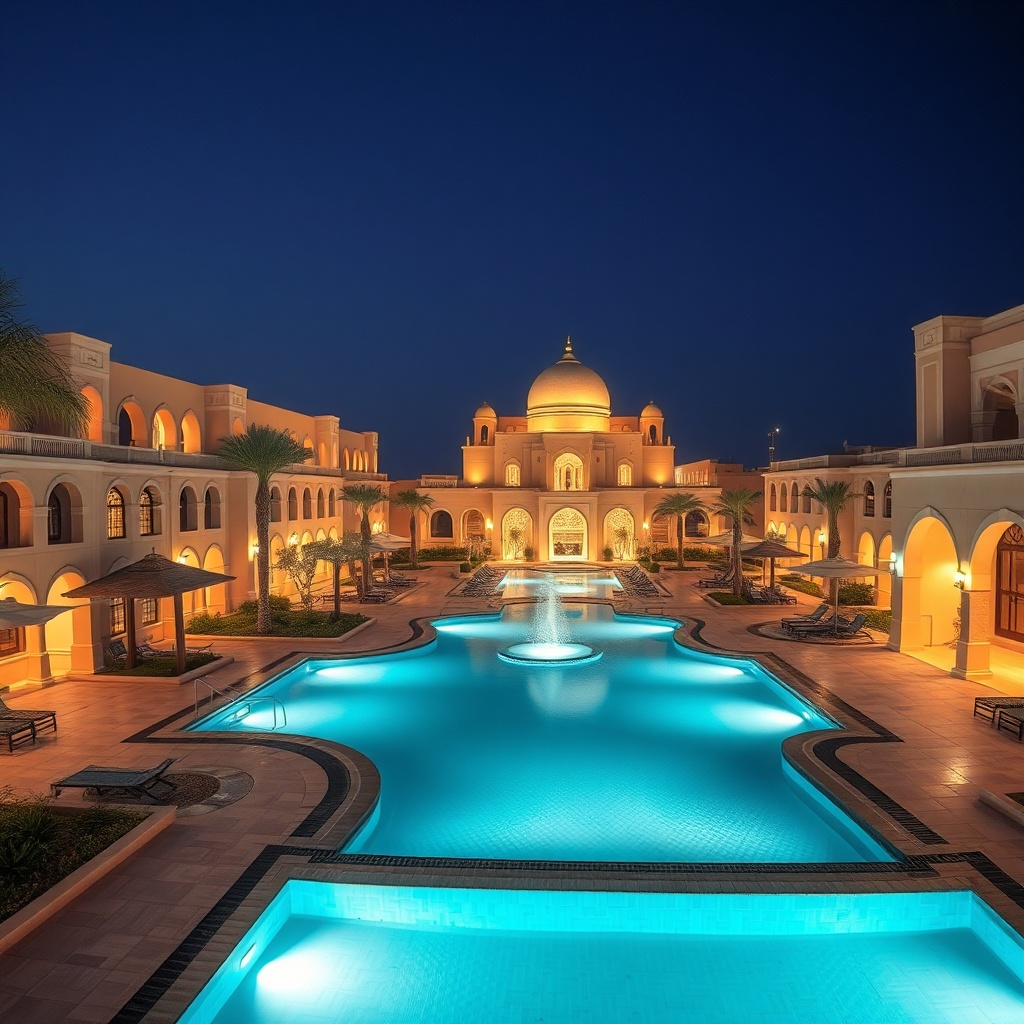
– Wellness and medical tourism: Extensive spa offerings, hammams, and integrated wellness programs attract guests seeking restorative experiences. Some destinations also provide medical tourism packages that combine clinical care with recovery in luxury settings.
– Smart and contactless tech: Mobile check-in, digital room keys, app-based concierge services, and smart-room controls enhance convenience and personalization. Many hotels use technology to streamline guest requests and reduce friction.
– Cultural and experiential programming: Guests can book immersive activities such as guided souk tours, falconry demos, cooking classes, and local-arts workshops that deepen cultural understanding.
Practical tips for booking and staying
– Choose location wisely: For business, prioritize proximity to conference centers and transport hubs. For relaxation, look for secluded beach or desert properties with easy access to desired activities like snorkeling or dune drives.
– Check local customs and hotel policies: Cultural norms and regulations vary across the region; some places have stricter dress codes, alcohol restrictions, or prayer-time considerations. Hotels typically provide clear guidance for guests.
– Verify sustainability claims and hygiene standards: Look for recognized certifications or detailed sustainability reports. Confirm cleaning protocols and air filtration systems if indoor air quality matters to you.
– Compare flexible rates and loyalty benefits: Many brands offer refundable rates and extra perks through loyalty programs—use points or status for upgrades, late checkout, or complimentary services.
– Look beyond star ratings: Read recent guest reviews and examine specific amenities that matter to you (family facilities, spa treatments, dive centers, or business services).
Choosing the right hotel depends on whether the priority is cultural immersion, active adventure, wellness, or sheer luxury. With careful planning and attention to hotel offerings, travelers can find properties across the Middle East that deliver memorable stays tailored to modern expectations of comfort, authenticity, and sustainability.
Explore options that align with the experience you want—whether a quiet desert villa, a historic city hideaway, or a beachfront resort with vibrant marine life.