Dubai is redefining what a modern metropolis can be by blending bold architecture, smart infrastructure, and a growing focus on sustainability.
The result is a city that attracts business travelers, families, and experience seekers who want luxury and convenience without sacrificing access to green spaces and cultural life.
A skyline that keeps the world talking
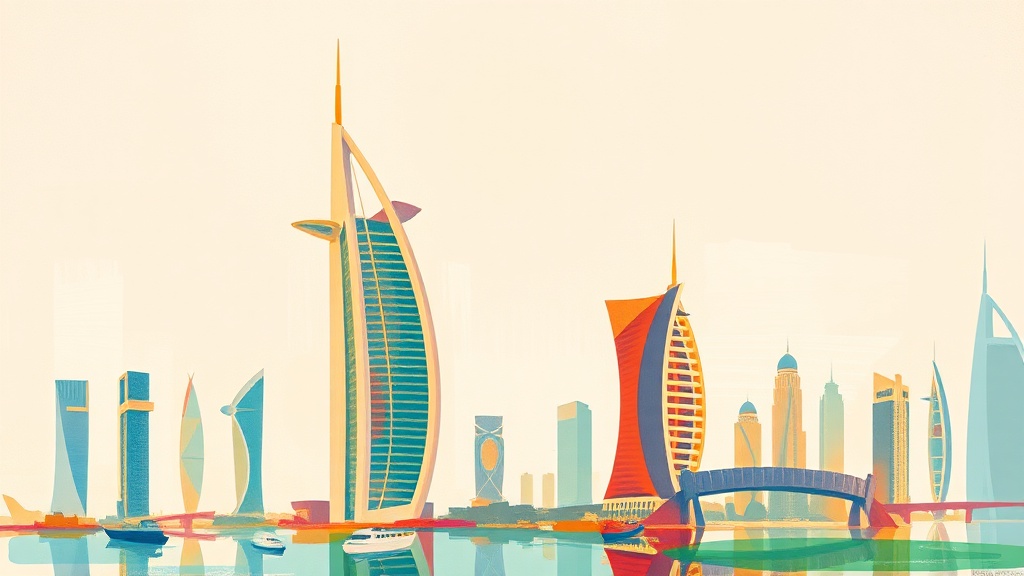
Dubai’s skyline remains one of the city’s strongest draws.
Iconic towers and creative new builds continue to push design boundaries, while mixed-use developments pair residential, retail, and leisure facilities in walkable configurations. This emphasis on vertical living supports a denser urban footprint and makes amenities more accessible to residents and visitors alike.
Sustainability moving from concept to streets
Sustainability is shifting from slogan to practice. Large-scale solar installations, district cooling innovations, and sustainable community projects demonstrate a serious effort to cut emissions and reduce water use. Green building standards and incentives for energy-efficient developments encourage developers to design with long-term environmental performance in mind.
At the neighborhood level, more parks, shaded walkways, and pedestrian-first streets help improve urban livability and resilience to heat.
Smarter mobility, fewer barriers
Public transit has expanded and improved, with modern rail lines, efficient buses, and connected ride-hailing options creating a more integrated network.
The city is piloting autonomous and electric vehicle solutions, while cycling routes and micromobility options increasingly fill the first- and last-mile gaps.
For visitors, this means faster transfers between attractions and a lower reliance on private cars.
A richer cultural and creative scene
Dubai’s cultural landscape is maturing beyond tourist landmarks.
Contemporary art districts, independent galleries, and performance venues provide platforms for local and regional artists. Public programming—outdoor performances, design biennales, and food festivals—has become a staple of city life, offering year-round reasons to explore different neighborhoods.
Museums and cultural centers combine immersive technology with storytelling to attract curious audiences of all ages.
Hospitality and retail reinvented
Luxury hospitality remains a central pillar of Dubai’s appeal, but there’s a broader push toward experiential stays: boutique hotels, serviced residences, and eco-minded accommodations that offer authenticity alongside comfort. Retail is adapting too—flagship stores and malls now emphasize experiences, pop-up concepts, and digital integrations that cater to omnichannel shoppers while keeping in-person discovery alive.
Outdoor and leisure opportunities
Waterfront promenades, botanical gardens, and desert escapes provide a contrast to the urban core.
Wellness-focused amenities—beaches, cycling trails, and destination spas—support both resident lifestyles and health-driven tourism.
Adventure providers and curated day trips make it easy to pair city exploration with outdoor thrills.
What visitors and residents should know
– Plan travel with mobility options in mind: mix transit, walking, and ride services to maximize time.
– Seek out community-focused districts for local food, art, and boutique shopping.
– Look for accommodations and venues that highlight sustainability practices if eco-impact matters to you.
Dubai is balancing rapid modernization with practical choices about livability and the environment.
For those watching urban innovation or planning a visit, the city offers a study in contrasts—glittering towers next to forward-looking neighborhoods, high-tech conveniences alongside outdoor escapes—making it a place that keeps evolving and rewarding curiosity.