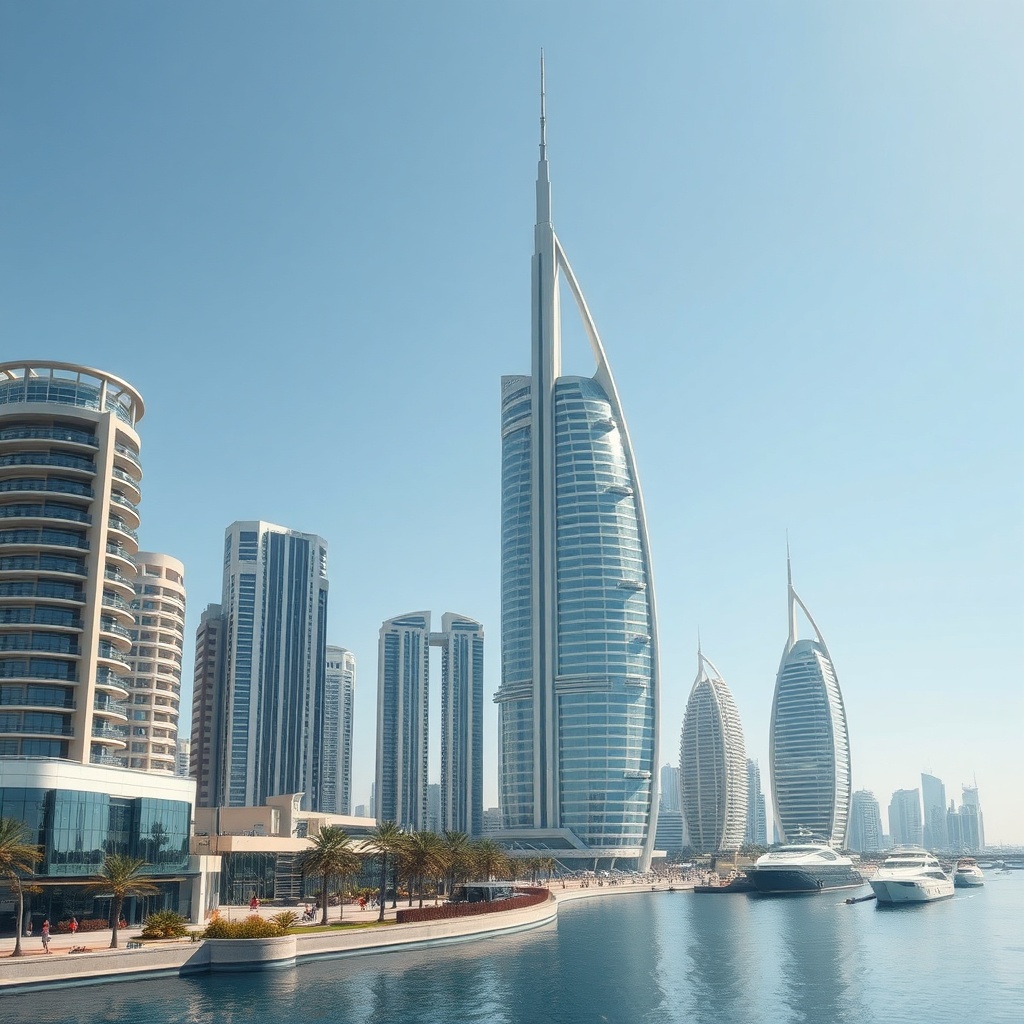
Dubai is reinventing itself as a blend of ultra-modern infrastructure and ambitious sustainability, creating a city that appeals to luxury travelers, business investors, and residents who value convenience and green living. From cutting-edge public transit to neighborhood-level green initiatives, Dubai’s transformation offers insights into how fast-growing cities can balance growth with environmental responsibility.
Renewable energy and greener buildings
Dubai’s skyline is not just about height; it’s about efficiency. New commercial and residential developments increasingly follow green building standards, emphasizing energy-efficient glazing, smart HVAC systems, and passive design principles that reduce cooling loads. Large-scale solar projects and rooftop installations are powering parts of the grid, while incentives for developers and homeowners make solar adoption more accessible.
Green financing tools and sustainability-linked loans are also nudging builders toward low-carbon construction and retrofits.
Mobility: from electric buses to smart transit
The city’s public transport network is expanding with more emphasis on electric and low-emission vehicles. Metro and tram services remain central for longer commutes, while last-mile mobility is improving through electric taxis, e-scooters, and shared micro-mobility schemes. Pilot programs for autonomous vehicles and smart traffic management systems aim to reduce congestion and emissions, using real-time data to optimize flows. For commuters and visitors, integrated payment systems and apps make multimodal travel simpler and more efficient.
Waste, water and circular economy efforts
Water conservation and waste management are high priorities in a region where resources are precious. New projects target wastewater reuse, desalination efficiency, and water-loss reduction in distribution systems. On the waste side, initiatives that separate recyclables at source, convert organic waste into compost or bioenergy, and encourage extended producer responsibility are gaining traction. A growing number of businesses embrace circular practices—repair, resale, and materials recovery—especially in retail, hospitality, and construction sectors.
Tech-driven urban services
Smart-city technologies are woven into urban services, from intelligent street lighting to IoT-enabled building management. Platforms that aggregate data across utilities, transportation, and public safety help planners target investments and respond faster to maintenance needs. For residents, smart apps simplify bill payments, service requests, and public transport planning, while businesses benefit from data that can refine operations and reduce overhead.
Culture, hospitality and lifestyle
Dubai’s cultural scene continues to diversify, with contemporary art districts, heritage neighborhoods, and world-class performance venues drawing global and regional talent.
The hospitality sector balances ultra-luxury resorts with boutique stays and experiential offerings—wellness, gastronomy, and adventure tourism remain strong draws. Food and beverage trends emphasize local sourcing, plant-forward menus, and experiential dining concepts that resonate with conscious travelers.
Why it matters for residents and investors
Sustainability-focused urban planning reduces long-term operational costs, improves livability, and enhances resilience against climate stressors.
For investors, projects that incorporate green design and smart systems tend to attract premium tenants and demonstrate stronger long-term value. For everyday residents, the payoff includes cleaner air, lower energy bills, less time spent in traffic, and more accessible cultural and recreational options.
Looking ahead
Dubai is pursuing a future where smart infrastructure and sustainable practices support a high-quality urban lifestyle. The emphasis on renewable energy, efficient mobility, waste reduction, and tech-enabled services shows how an ambitious city can evolve responsibly while maintaining its role as a global hub for commerce, tourism, and innovation.