Unveiling the Majestic Appeal of Dubai’s Sustainable Architecture
Dubai, often recognized as the city of superlatives, has evolved from a small fishing village into a city that represents unparalleled modernity.
Known for its innovative architectural designs, record-breaking skyscrapers, and remarkable urban landscapes, Dubai has become a global icon. In line with the sustainable development goals, Dubai is currently making impressive strides in incorporating green building solutions into its urban fabric.
Today, we delve into the world of Dubai’s sustainable architecture, underlining its commitment to a greener, more livable future.
Dubai’s architectural landscape is an amalgamation of cutting-edge design, technology, and a steadfast commitment to sustainability. The city’s sustainable buildings, which use less energy, reduce waste, save water, and are healthier to live and work in, are a testament to its forward-thinking ethos.
One such example is the Dubai Frame, an architectural marvel that incorporates renewable energy technologies into its design. This landmark harnesses solar power to meet a portion of its energy needs, exemplifying Dubai’s dedication to creating a sustainable future.
The city’s commitment to sustainable design extends beyond individual buildings.
Entire communities in Dubai, such as the Sustainable City, are designed with eco-friendliness in mind. This residential complex features 500 villas powered entirely by solar energy, biodome greenhouses for urban farming, a cycling track, and even a recycling station. Cornerstone to this development is the emphasis on reduced energy and water consumption, waste minimization, and enhanced quality of life.
Dubai’s focus on sustainable architecture also reflects in its building regulations. The government has enacted Green Building Regulations and Specifications, which mandate minimum energy and water use efficiency standards for all new buildings. Furthermore, Dubai’s ambitious Clean Energy Strategy aims to ensure that by 2050, 75% of the city’s total power output will be generated from clean energy.
The city’s architectural firms are also at the forefront of this sustainability drive. They are consistently incorporating innovative design trends and advanced technologies to design buildings that are not just aesthetically pleasing but also environmentally friendly. This commitment is reflected in the plethora of awards Dubai has received, such as the Global Green Building Leadership award.
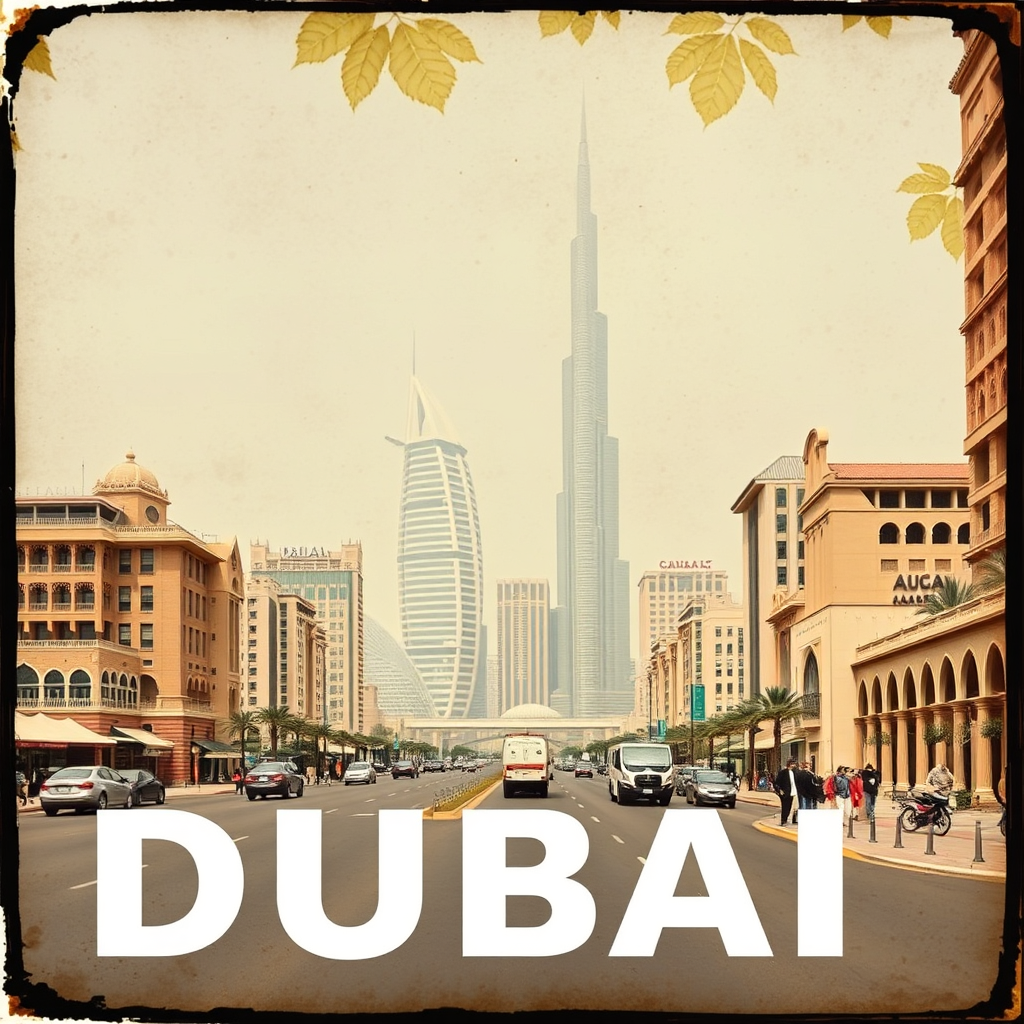
The evolution of Dubai’s architecture is not limited to sustainability alone. The city is also making significant progress in creating buildings that are adapted to the local climate. Traditional architectural elements, such as wind towers, are being reintegrated into modern designs.
These features reduce dependence on mechanical cooling systems, thereby saving energy and maintaining a connection to the region’s architectural heritage.
Dubai is also home to the world’s first 3D printed office building. The Office of the Future, as it’s named, was built using a unique 3D printing technology that reduces labor costs, construction waste, and overall carbon footprint. This project marks another milestone in Dubai’s journey towards sustainable development.
On a final note, Dubai’s architectural vision is not just about towering skyscrapers and sprawling urban landscapes. The city is making a determined effort to redefine the conventional definition of architecture by placing sustainability at its core. This vision aligns with the global efforts to mitigate climate change and protect the environment, thereby ensuring a greener and more sustainable future for all. Today, Dubai stands as a beacon of inspiration, showing the world how urban spaces can successfully marry innovation, aesthetics, and sustainability.