Saudi Arabia is reshaping its global image, inviting travel, investment and cultural exchange with an ambitious push toward economic diversification and social transformation.
Once seen primarily as an oil-centric economy, the country is positioning itself as a year-round destination for tourism, business and international events — while also building new industries to reduce reliance on hydrocarbons.
Tourism is a headline attraction.
Broader visa access and upgraded hospitality infrastructure are making it easier for international visitors to explore coastal resorts, desert landscapes and UNESCO-recognized heritage sites. Projects along the Red Sea coastline and restored historic districts are marketed as premium leisure experiences, combining luxury resorts with conservation-minded development. For travelers seeking cultural depth, restored urban quarters and curated museums showcase local art, crafts and the Kingdom’s storied past.
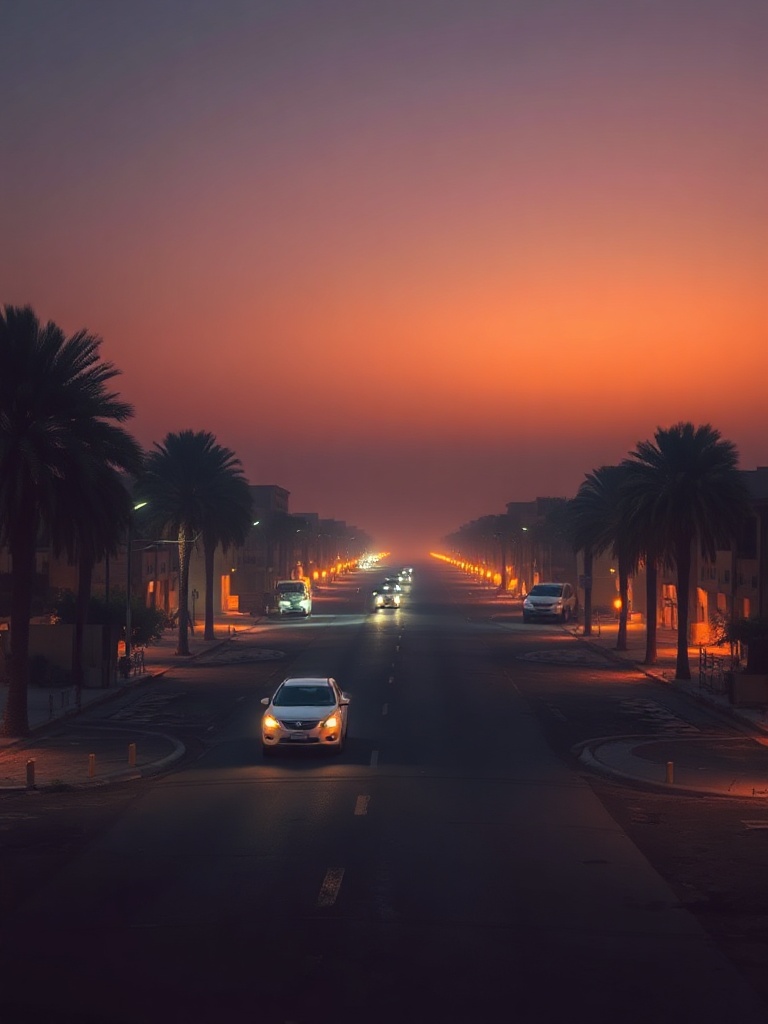
Ambitious giga-projects are transforming the physical and economic landscape.
Purpose-built cities and integrated developments aim to attract technology, tourism and entertainment investment, often emphasizing sustainability, smart-city design and renewable energy integration.
These initiatives are designed to create hubs for innovation and to draw global talent and companies seeking new regional headquarters or research partnerships.
Energy transition is a central theme in the country’s economic evolution. While oil remains an important export, public and private investment is shifting toward solar, wind and green hydrogen research. Large-scale solar farms and grid modernization efforts pair with partnerships to develop low-carbon fuel solutions intended for export and industrial use. Advances in energy infrastructure are intended to support new manufacturing, desalination and data center projects that require reliable, cleaner power.
Business reforms have made the investment climate more accessible. Regulatory changes, incentives for foreign direct investment, and initiatives to grow local entrepreneurship have opened new channels for venture capital and private equity.
The capital markets have also expanded their international listings and investment products to attract global investors. As the private sector grows, emphasis on workforce training and localization policies seeks to balance job creation with skills development.
Cultural life and entertainment have seen rapid expansion. Cinemas, music festivals, art biennales and public sporting events are now regular features, attracting both regional and international audiences. The Kingdom has become a recurring host of major sporting events and international competitions across motorsport, boxing, golf and football, which boosts tourism and hospitality revenues while exposing local audiences to diverse cultural experiences.
Heritage preservation runs alongside modern development. Projects to restore historic towns and protect archaeological sites aim to create a sense of continuity between rapid modernization and cultural roots.
This dual approach supports sustainable tourism by leveraging unique cultural assets rather than replacing them.
Challenges remain as the country balances rapid change with social and environmental responsibilities.
Sustainable water management, equitable job creation, and transparent governance are key issues investors and civic leaders continue to address.
Community engagement and careful planning are critical to ensuring development benefits local populations and preserves natural ecosystems.
What to watch: infrastructure rollouts that enable year-round tourism, new public-private partnerships in renewable energy and tech, and continued expansion of cultural and sporting calendars.
For visitors, entrepreneurs and investors, the Kingdom offers evolving opportunities as it seeks to diversify its economy and welcome the world in new ways.