Dubai restaurants are a global dining destination where ambitious culinary concepts meet a diverse, international palate.
The city’s dining scene blends lavish fine dining and celebrity-chef restaurants with intimate neighborhood eateries, lively brunches, and creative pop-ups. Whether seeking panoramic rooftop views, authentic Emirati flavors, or sustainable farm-to-table menus, diners can find options to match every mood and occasion.
What to expect
– Variety: Cuisine from across the world — Arabic, Levantine, South Asian, East Asian, Mediterranean, and modern European — is widely available, often elevated with local ingredients and high culinary standards.
– Experience-led dining: Expect theatrical presentations, chef’s tables, omakase counters, and immersive experiences such as dining in the desert or on luxury yachts.
– Brunch culture: Brunch is a major social ritual, combining lavish buffets, set menus, live music, and bottomless beverages. Weekends tend to be busiest, so reservations are advised.
Top neighborhoods to explore
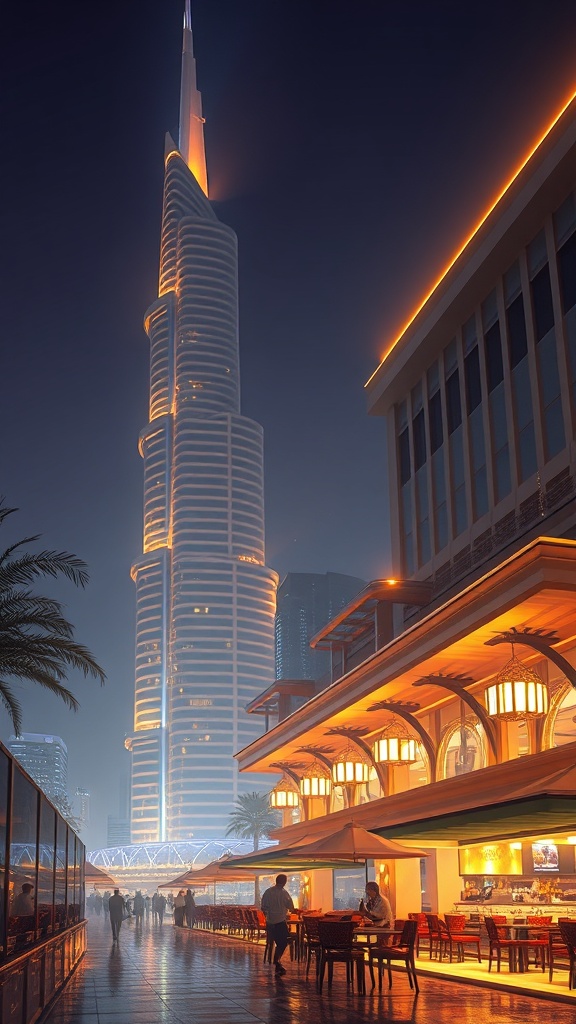
– Downtown and Dubai Mall: Central and tourist-friendly, perfect for lavish hotel restaurants and skyline views.
– DIFC and Business Bay: A hub for contemporary fine dining and upscale eateries popular for business lunches and elegant dinners.
– Dubai Marina and JBR: Seafront dining, casual cafes, and lively international spots with al fresco options.
– Al Quoz and Alserkal Avenue: Creative, artsy neighborhoods where innovative, independent restaurants and pop-ups flourish.
– Deira and Al Fahidi/Al Bastakiya: For authentic Emirati and regional flavors, traditional hospitality and historic settings.
Trends shaping the scene
– Sustainability and seasonality: More restaurants emphasize locally sourced produce, reduced food waste, and sustainable seafood choices. Rooftop and urban farms are appearing, supplying fresh herbs and vegetables to nearby kitchens.
– Plant-forward and specialty diets: Menus increasingly include creative vegetarian, vegan, and gluten-free options that rival meat-based dishes in flavor and presentation.
– Cross-cultural fusion: Chefs are blending regional techniques and flavors, creating innovative plates that balance authenticity with contemporary flair.
– Technology-driven convenience: Online reservations, digital menus, contactless ordering, and efficient delivery services make dining seamless — useful for both tourists and residents.
Practical tips for diners
– Book ahead for popular spots and weekend brunches; walk-ins are possible at casual places but often not for high-demand restaurants.
– Check dress codes: Upscale venues and hotel restaurants may enforce smart-casual or formal attire.
– Timing matters: Late-night dining is common, but early dinner slots can be quieter and more relaxed.
– Dietary needs: Most restaurants are accommodating—communicate allergies or restrictions when booking to ensure a smooth experience.
– Take advantage of set menus and tasting menus for a curated introduction to a chef’s style, especially at high-end establishments.
Discovering local flavors
Sampling Emirati dishes, such as machboos and luqaimat, provides cultural context and a taste of heritage.
Seek out smaller family-run restaurants or food markets to experience authentic flavors and warm hospitality.
Dubai’s restaurant scene continues to evolve, blending luxury with authenticity and innovation. From elevated tasting menus to neighborhood gems, dining here remains an exploration — one that rewards curiosity, planning, and a willingness to try something new.