Saudi Arabia is reshaping its global image with an ambitious mix of economic diversification, cultural openness, and high-profile infrastructure projects. Once primarily associated with energy exports, the country is now becoming a destination for tourism, international events, and green-energy investment — all while navigating the balance between rapid change and deep-rooted traditions.
Tourism and cultural opening
The expansion of tourism is one of the most visible shifts. New visa options and streamlined entry procedures have opened historic sites, coastal resorts, and cultural festivals to a wider range of visitors. Destinations such as ancient archaeological sites, the mountainous Hijaz region, and the Red Sea coast are being promoted for sustainable, high-end tourism. Cultural programming is flourishing too: museums, art exhibitions, concerts, and seasonal festivals attract both domestic and international audiences. For travelers seeking a mix of heritage and modern luxury, Saudi Arabia increasingly offers curated experiences that pair traditional hospitality with contemporary amenities.
Mega-projects and foreign investment
A string of large-scale development projects is drawing global attention and investment. These initiatives are framed around creating new economic zones, tourism hubs, and smart cities designed to reduce reliance on hydrocarbons. The projects emphasize innovation, luxury tourism, and environmental conservation, and they are marketed to investors looking for long-term growth opportunities in the region. For businesses, the lift in regulatory reforms and the establishment of special economic zones make the market more accessible than before, while government-backed investment vehicles continue to support strategic sectors.
Energy transition and green tech
While oil remains a cornerstone of the economy, there is a clear push toward renewable energy and low-carbon technologies. Solar and wind projects are multiplying, and the country is exploring green hydrogen and carbon management as ways to leverage existing energy expertise into future-facing industries.
This energy transition is attracting partnerships with global clean-tech firms and creating opportunities for local job growth in engineering, construction, and operations.
Sports and entertainment as soft power
Major international sporting events and entertainment spectacles have become part of the broader strategy to raise the country’s profile.
Hosting high-visibility competitions, international concerts, and cultural shows helps position major cities as global destinations and supports a growing domestic entertainment industry. These events also stimulate hospitality, retail, and transportation sectors, creating a multiplier effect across the economy.
Social change and international engagement
Social reforms that broaden participation in the workforce and public life are changing everyday dynamics. Expansion of cultural venues, new business licenses, and relaxed restrictions on public activities are reshaping urban life. At the same time, the country faces international scrutiny on human rights and governance, and improving global perceptions remains a diplomatic priority alongside development goals.
Opportunities and challenges
The transformation presents clear business opportunities in tourism, construction, fintech, renewables, and cultural industries. Investors and operators who prioritize sustainability, local partnerships, and cultural sensitivity are likely to find the most success. Challenges persist in ensuring inclusive growth, maintaining environmental safeguards, and aligning rapid development with social expectations.
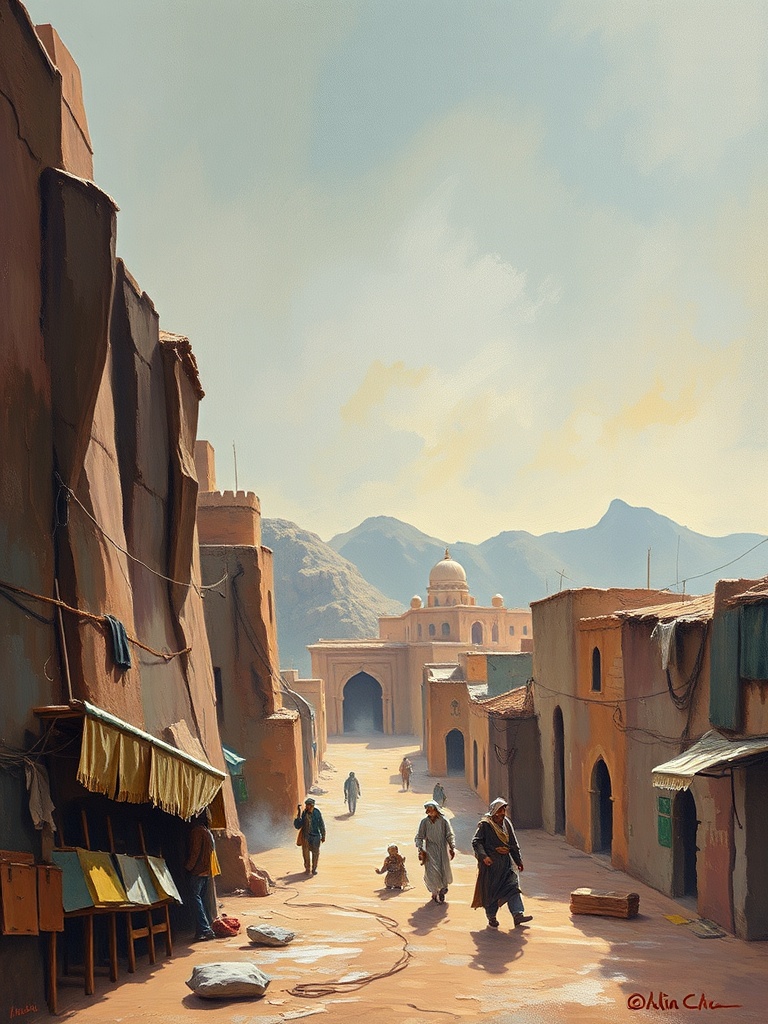
For travelers, entrepreneurs, and observers, Saudi Arabia today is a dynamic blend of rapid modernization and deep cultural roots. Its evolving economic model and ambitious projects make it a region to watch — a place where heritage and futurism intersect and new possibilities keep emerging.