Dubai keeps reinventing itself as a destination that blends ambitious skyline architecture with growing cultural depth and sustainability-minded innovation. Whether visiting for leisure, business, or relocation, it’s useful to understand what makes the city tick now and what to prioritize on a shorter stay.
What to see and do
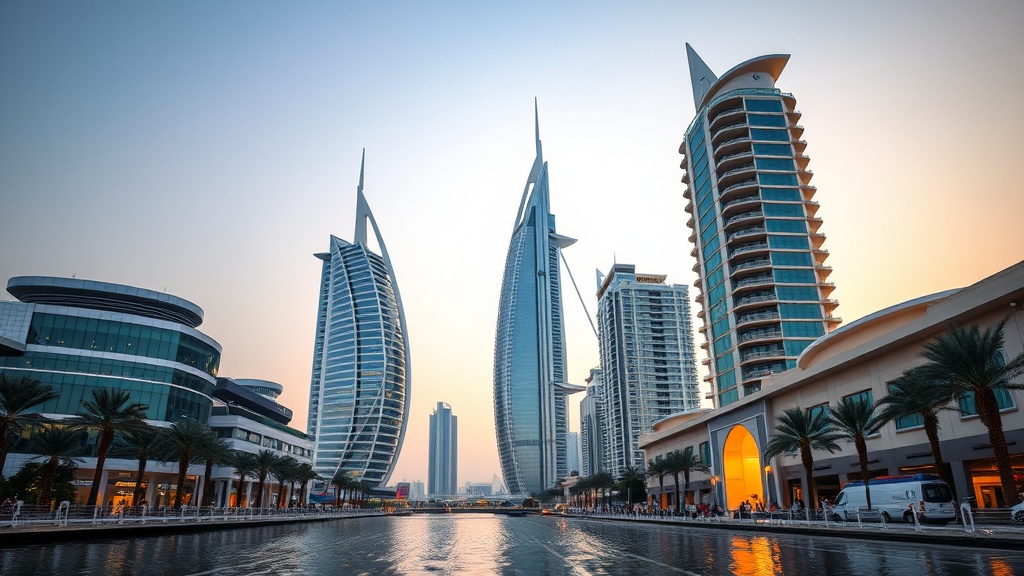
– Iconic landmarks: The city’s skyline draws global attention for a reason.
Signature attractions remain must-see for first-time visitors — from panoramic observation decks to the vast shopping and entertainment complexes that surround them.
– Cultural quarters: Explore the restored historic neighborhoods where wind-tower houses and narrow lanes contrast with the modern cityscape. Traditional abra rides across the creek and visits to spice and gold souks give a sense of the city’s trading roots.
– Contemporary culture: A growing cluster of contemporary arts venues, creative hubs, and boutique galleries hosts exhibitions, performances, and design showcases. Districts that were once industrial are now lively centers for emerging artists and independent cafés.
– Coastal and outdoor life: Public beaches, waterfront promenades, and well-kept parks make outdoor time easy. For a different perspective, consider a sheltered harbor cruise or one of the city’s guided desert experiences that emphasize sustainable practices and cultural education.
Getting around
The metro, tram, and an extensive taxi network serve most major destinations efficiently. Rideshare services and water taxis add flexibility, while pedestrian-friendly promenades make strolling a pleasure in popular districts. For short hops, traditional water taxis remain a charming and practical option.
Dining and nightlife
Dubai’s culinary scene now includes everything from ultra-luxury tasting menus to vibrant street-food concepts. International chefs and creative homegrown restaurateurs offer global flavors alongside refined takes on regional cuisine.
Café culture and low-key gastropubs coexist with high-end rooftop lounges, giving wide choice for any type of night out.
Sustainability and tech-forward city planning
The city’s recent initiatives put emphasis on clean energy, smarter public transport, and greener buildings. Large-scale solar projects and urban regeneration efforts aim to reduce environmental impact while supporting livability.
Tech pilots—such as electric and autonomous transport trials—are increasingly common in designated zones, reflecting a pragmatic approach to future mobility.
Where to stay
Neighborhood choice depends on priorities: downtown areas keep visitors close to major attractions and shopping; marina and beachfront locations suit those who want water views and active nightlife; culturally rich districts are ideal for travelers seeking authentic local experiences and quieter streets.
Practical tips
– Plan around milder months for comfortable outdoor exploration; evenings are often the best time for waterfront promenades and outdoor dining.
– Book popular attractions and fine-dining reservations in advance, especially on weekends and during major events.
– Carry a reusable water bottle and choose accommodations with sustainability credentials if minimizing environmental impact matters.
Why Dubai now
The city continues to balance rapid development with deeper cultural offerings and a growing focus on sustainability and quality of life.
Those returning after a pause will find new museums, renovated heritage areas, and more diverse dining and arts scenes, while long-time favorites still anchor any visit. For travelers who enjoy contrasts—ultramodern architecture alongside centuries-old trading traditions—Dubai remains a dynamic, easy-to-navigate choice that rewards both first visits and repeat exploration.