Dubai’s skyline is famous for its height and sparkle, but a quieter transformation is taking place that matters for residents, visitors, and businesses: the city is doubling down on sustainability. From clean energy and electric mobility to greener buildings and urban cooling, Dubai is blending luxury and convenience with practical environmental action.
Clean energy and distributed solar
Utility-scale solar parks and rooftop photovoltaic programs are powering more of the city’s energy mix.
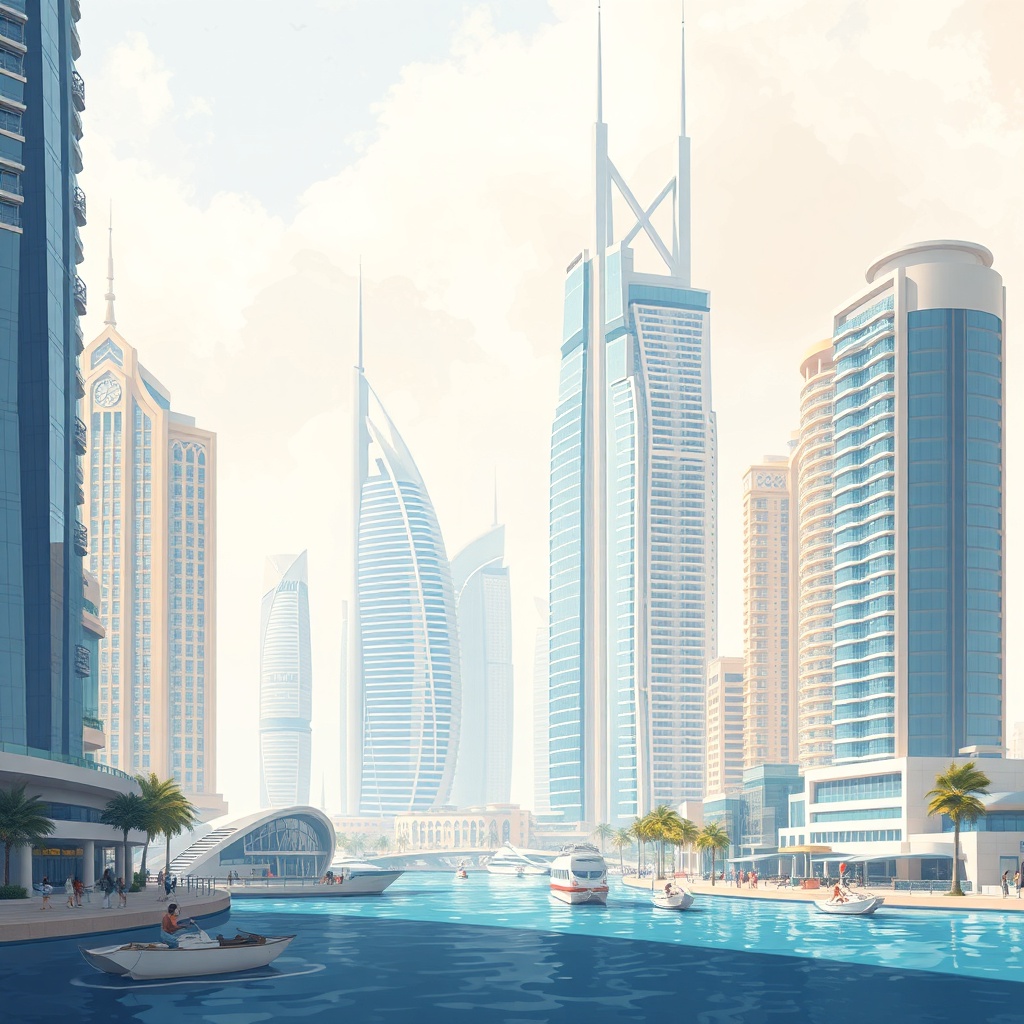
Homeowners and businesses can tap into rooftop solar installations, and utilities offer green-tariff options that let consumers support clean generation.
That shift reduces reliance on fossil fuels and brings predictable energy costs — a practical benefit for property owners and operators.
Electric mobility and low-carbon transport
Electric vehicles are becoming a familiar sight on Dubai’s roads.
A growing public charging network, incentives for EV buyers, and taxi fleets gradually adopting electric models make switching easier. Public transport continues to expand, with metro, tram, and water-taxi options reducing car dependency in high-traffic corridors. For visitors, choosing public transit or an EV rental is an easy way to lower a trip’s carbon footprint.
Greener buildings and cooling solutions
New developments increasingly target green-building certifications and high-performance design.
Passive cooling, improved insulation, and energy-efficient glazing are common features in contemporary projects, while district cooling solutions reduce electricity demand compared with conventional air-conditioning.
Developers and landlords highlight these efficiency measures as value propositions: lower operational costs, higher tenant comfort, and stronger long-term asset resilience.
Waste, water and circular practices
Waste diversion and recycling programs are becoming more widespread across commercial and residential districts. Water conservation is a priority too: technologies like smart irrigation, greywater reuse, and low-flow fixtures are used in new projects to cut potable water demand. Hospitality operators are moving toward circular practices—reducing single-use plastics, managing food waste, and sourcing local suppliers—to meet guest expectations and regulatory standards.
Urban greening and climate resilience
Tree planting, mangrove restoration along sheltered coastlines, and expanded parklands help cool neighborhoods, improve air quality, and support biodiversity. Urban designers are prioritizing shaded walkways, reflective materials, and water features to combat urban heat while keeping public spaces attractive and functional.
What this means for people and businesses
– Residents: Choose apartments or villas with green building credentials, sign up for green electricity options where available, and consider an EV or access to EV carshare services to reduce household emissions.
– Visitors: Favor hotels with sustainability credentials and use the city’s efficient public transport network to see major attractions.
– Business owners and developers: Invest in energy efficiency and renewable energy to lower operating costs and improve marketability. Sustainability-focused certifications are increasingly important for attracting international tenants and guests.
Opportunities and practicality
Sustainability in Dubai isn’t just an environmental statement — it’s a business and lifestyle improvement. Reduced utility bills, enhanced comfort, and smoother regulatory compliance are tangible upsides. Meanwhile, visible initiatives like clean-energy projects and greener public spaces support the city’s aim to be resilient and competitive on the global stage.
For anyone watching or planning a move, property purchase, investment, or visit, Dubai’s sustainability shift is something to factor into decisions.
The city’s approach combines smart policy, private-sector innovation, and everyday conveniences to make greener choices easier and more rewarding.