Middle East hotels are redefining what it means to stay well while traveling. From ultra-luxury city towers to intimate desert retreats, properties across the region blend bold architecture, deep-rooted hospitality, and modern comforts to create stays that are both memorable and mindful.
What’s driving change
Hospitality in the Middle East is shifting toward experiences rather than just rooms.
Guests increasingly expect wellness programming, sustainable operations, culturally authentic offerings, and seamless technology. Major urban centers and emerging destinations alike are responding with spa-centric resorts, adaptive reuse projects that honor heritage, and villa-style accommodations that provide privacy and space for longer stays.
Design and cultural authenticity
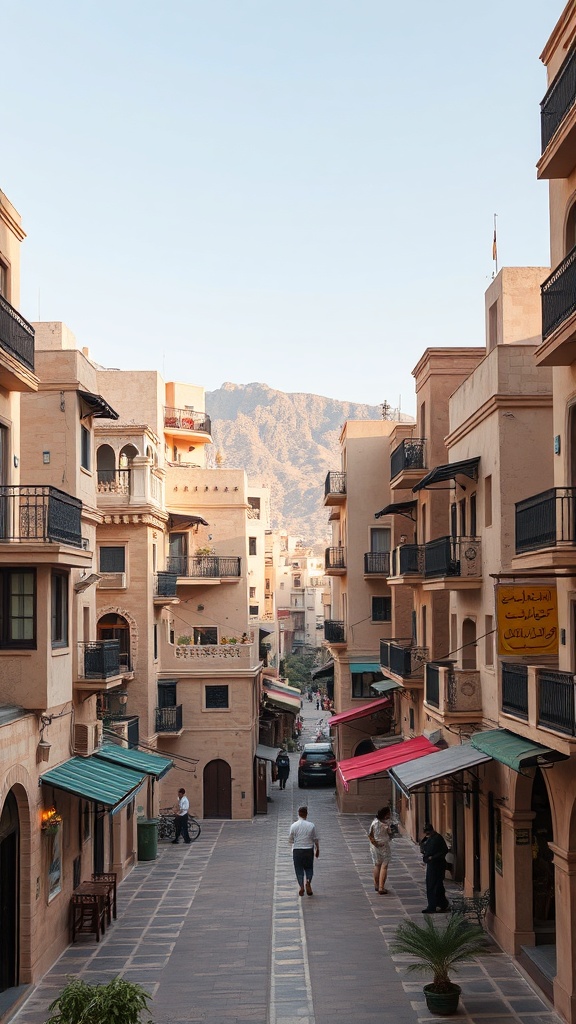
A strong trend is the fusion of contemporary design with local craftsmanship. Hotels are commissioning artisans to create bespoke furnishings, weaving traditional motifs into public spaces, and restoring historic buildings into boutique addresses. This approach appeals to travelers who want a connection to place—whether that means a riad-style courtyard in a city or a contemporary interpretation of traditional courtyard architecture in a desert camp.
Wellness and bespoke experiences
Wellness has moved beyond the spa to encompass sleep programs, nutrition-led menus, and curated movement classes.
Many hotels now offer comprehensive wellness packages that include guided meditative experiences, thermal bathing circuits, and personalized fitness coaching.
Culinary programs increasingly highlight healthy regional cuisine, with hotels collaborating with nutritionists to craft menus that support detox, energy, and recovery.
Sustainability and responsible stays
Sustainability is becoming a standard consideration.
Guests can expect water-saving systems, solar integration, waste-reduction initiatives, and partnerships that support local communities. Certifications and transparent reporting help travelers choose hotels that align with their values. Small changes—opting for properties with refillable amenities, locally sourced dining, and community-led excursions—add up to meaningful impact.
Tech that enhances—not replaces—hospitality
Smart rooms, contactless check-in, and mobile concierge services are now common, but leading hotels emphasize that technology should enhance human service rather than replace it.
Expect seamless in-room controls, high-speed connectivity for remote work, and apps that let guests tailor their stay with a personal touch, such as arranging private dining or bookable cultural experiences.
Practical tips for booking
– Consider location priorities: beachfront, downtown, or secluded desert—each offers a different pace and local access.
– Check for cultural amenities: prayer rooms, Qibla indicators in rooms, and halal-certified dining can matter for many travelers.
– Look for family-friendly features such as connecting rooms, kids’ clubs, and private pools when traveling with children.
– Verify privacy options: private villa entries, secluded balconies, and women-only spaces can be important for comfort and modesty.
– Read recent guest reviews to confirm that promises around cleanliness, service consistency, and food quality hold up.
Choosing the right hotel in the Middle East means balancing luxury with authenticity, modern convenience with respect for tradition, and personal comfort with environmental awareness. Whether seeking a skyline hotel with panoramic views, a coastal retreat with marine conservation programs, or a small boutique that feels like a story, the region’s hospitality landscape offers options curated to how people want to travel now.