Dubai keeps redefining what a modern, livable city can be — blending bold architecture and luxury experiences with a growing push toward sustainability, technology, and culture.
For travelers, investors, and urbanists, the emirate offers a compelling mix of attractions, practical amenities, and forward-looking initiatives that make it more than just a destination for flashy tourism.
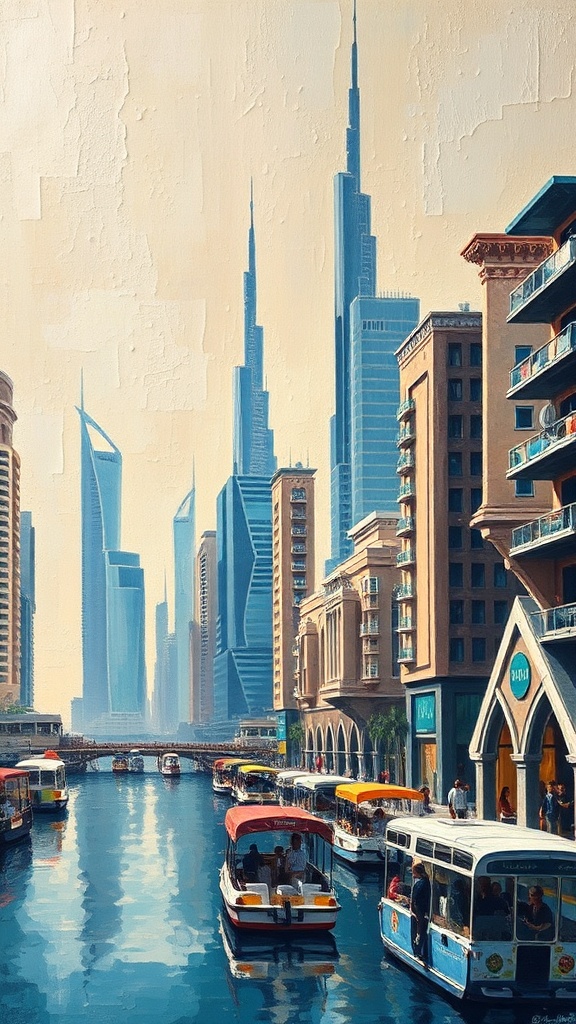
A greener skyline
Dubai’s skyline is evolving beyond towers and malls. Developers and city planners are increasingly prioritizing energy-efficient buildings, district cooling, and solar installations across residential and commercial projects.
Sustainable communities showcase renewable energy, water-saving landscaping, and car-free zones that promote walking and cycling. These projects demonstrate how desert cities can reduce resource use while maintaining high standards of comfort and luxury.
Smart city and mobility
Smart-city systems are now part of daily life. Integrated apps and platforms streamline everything from payments and utility management to public transport planning. The metro and tram networks provide reliable alternatives to driving, while electric vehicle infrastructure is expanding to meet growing demand.
Trials of autonomous shuttles and last-mile electric solutions are visible in dedicated zones, reflecting a pragmatic approach to reducing congestion and emissions.
Culture, dining, and creative life
Dubai’s cultural scene has matured—museums, contemporary art galleries, immersive exhibitions, and live performance venues are attracting global talent. The Museum of the Future and major contemporary art spaces showcase innovation and local creativity, while neighborhood galleries and cultural hubs nurture emerging artists.
The dining scene is similarly diverse, ranging from Michelin-starred restaurants to street food markets showcasing flavors from across the region and beyond.
Culinary tourism here blends high-end gastronomy with authentic, affordable experiences.
Real estate and living trends
Housing trends favor mixed-use communities that combine workspaces, green areas, and retail. Co-living and flexible office solutions cater to remote professionals and entrepreneurs, supported by streamlined residency options for remote workers and investors. These shifts reflect a broader desire for convenience, community, and more balanced urban lifestyles.
Tourism beyond luxury
While luxury tourism remains a major draw, Dubai is actively broadening its appeal.
Adventure seekers find desert safaris, kiteboarding, and mountain excursions nearby. Family-friendly attractions have expanded to include interactive museums and nature-focused experiences. Cultural tourism is increasingly promoted through heritage districts, local markets, and festivals that highlight regional arts and traditions.
Practical tips for visitors
– Plan for the climate: aim for the cooler season for outdoor activities, while many year-round attractions have climate-controlled comfort.
– Use public transport: metros and trams bypass traffic and connect key districts efficiently.
– Book ahead for top attractions and dining spots: popular venues can fill quickly during holiday periods and festivals.
– Explore beyond downtown: neighborhoods and coastal areas offer unique dining, beach, and cultural experiences that contrast with the high-rise core.
Dubai’s evolving identity combines ambition with pragmatism: cutting-edge design and luxury experiences paired with practical steps toward sustainability, smarter mobility, and cultural depth. Whether visiting for leisure, business, or relocation, the city offers an active blueprint of how fast-growing urban centers can adapt to modern needs while remaining distinctly dynamic.