Today Saudi Arabia is undergoing a dramatic transformation that is reshaping its economy, society, and global image. Once known primarily for energy exports and religious tourism, the kingdom is expanding into entertainment, culture, and diversified industries—attracting visitors, investors, and talent from around the world.
What’s driving the change
A comprehensive national plan to diversify the economy has opened new sectors, loosened some social restrictions, and prioritized large-scale developments. Government-backed projects with global partners are creating new urban experiences, luxury tourism destinations, and high-tech hubs that aim to reduce reliance on any single revenue source. These initiatives are supported by regulatory reforms, incentives for foreign direct investment, and efforts to modernize infrastructure.
Tourism and hospitality boom
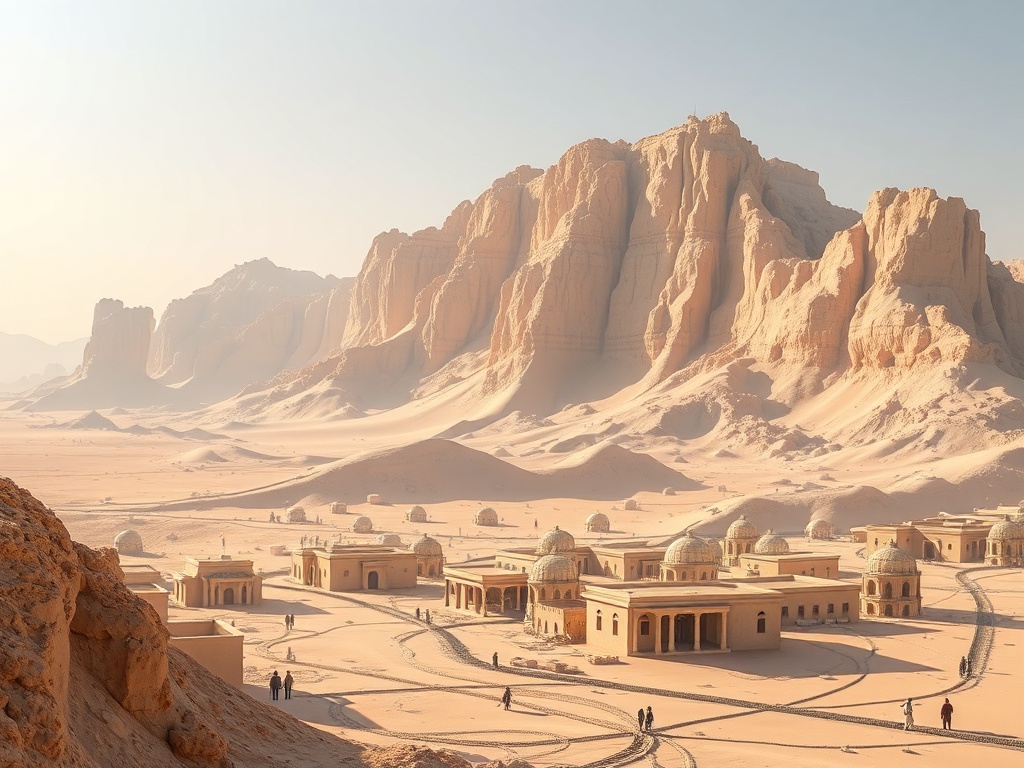
Tourism is one of the most visible shifts. Historic cities, coastal islands, and desert landscapes are being paired with luxury resorts and curated cultural experiences. Ancient sites and UNESCO-listed heritage receive renewed attention alongside ultra-modern resorts on the Red Sea and cultural districts in major cities.
Visa reforms and new international flight routes have made travel simpler for a broader range of visitors, encouraging leisure travelers to explore beyond the traditional pilgrimage circuit.
Entertainment, culture, and lifestyle
Cultural life has expanded with public concerts, art festivals, museums, and cinema screenings becoming more common. Cities are investing in creative industries and public spaces to boost quality of life and create jobs in media, arts, and hospitality.
This cultural opening is also shifting perceptions abroad—positioning the kingdom as a destination that blends deep historical roots with contemporary experiences.
Business environment and investment opportunities
Economic reforms have improved the ease of doing business, with incentives for tech, renewable energy, tourism, logistics, and manufacturing. Special economic zones and mixed-use developments offer tailored regulatory frameworks and tax advantages. Global companies and startups alike are evaluating local partnerships or regional headquarters, drawn by access to a young domestic market and proximity to broader regional trade routes.
Social change and workforce development
Workforce participation has diversified as efforts to upskill nationals and welcome more women into the labor market take hold.
Educational initiatives and vocational programs aim to align talent with new industry demands. While social norms are evolving, investments in training and entrepreneurship are helping create a more dynamic, private-sector–led job market.
Sustainability and environmental focus
Large-scale developments emphasize sustainability, with renewable energy projects, conservation efforts, and eco-friendly tourism practices featured prominently. Coastal and desert ecosystems are focal points for environmental planning to ensure long-term viability of luxury and nature-based tourism.
Practical takeaways for visitors and investors
– Plan beyond the main cities: explore coastal islands, heritage towns, and desert experiences to see the country’s diversity.
– Check entry requirements and local customs before traveling; cultural norms and regulations can vary by region.
– For investors, research special zones and incentives carefully and consider local partnerships to navigate regulatory landscapes.
– Sustainability is a growing priority—projects that demonstrate environmental stewardship often gain public and private support.
Opportunities and considerations
The pace of change presents opportunities across hospitality, renewable energy, entertainment, and technology. At the same time, navigating regulatory shifts and cultural nuances requires thoughtful planning. For those willing to engage, the kingdom offers a compelling blend of tradition and transformation—an evolving landscape where tourism, business, and culture intersect.