Dubai blends futuristic ambition with tangible tradition, offering an urban playground where architecture, culture, and desert landscapes meet. For visitors and residents alike, the city delivers a mix of must-see sights, practical mobility, and evolving sustainability efforts that make it one of the most dynamic destinations in the region.
What to see and do
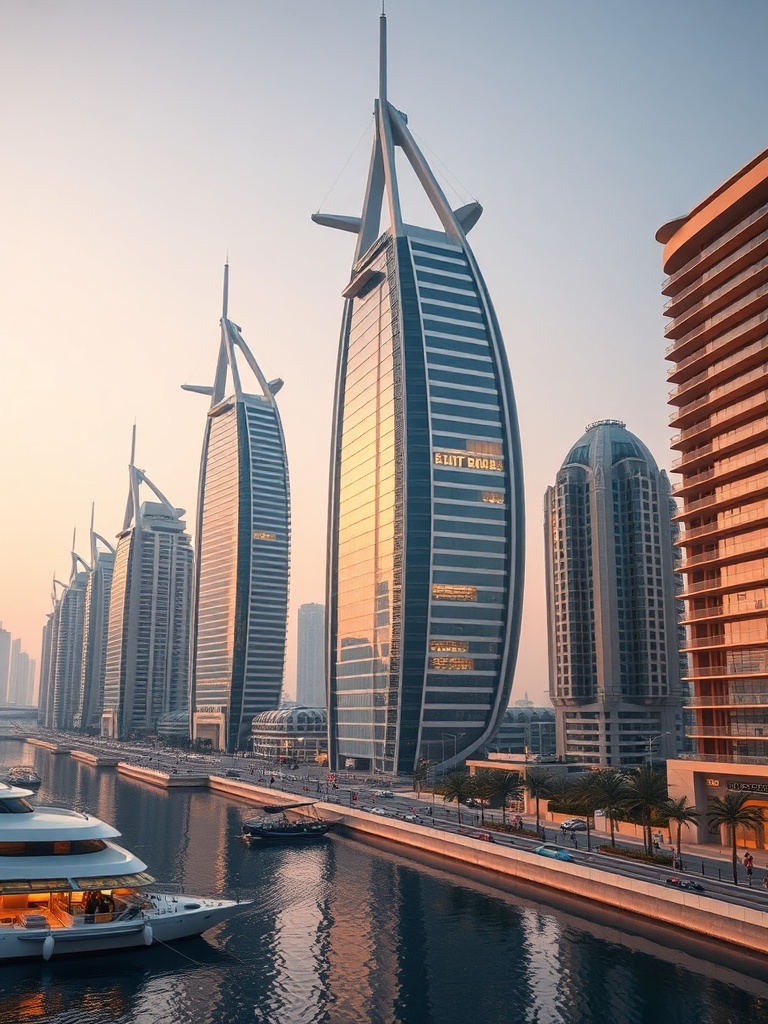
– Skyline highlights: The striking skyline is a draw on its own. Towering observation decks and waterfront promenades give panoramic views that are especially impressive at sunset, while iconic developments like artificial islands and waterfront megaprojects create unique photo opportunities.
– Heritage and neighborhoods: Explore the Al Fahidi Historic District to experience restored wind-tower houses, narrow lanes, and cultural centers that showcase Emirati life before the skyscraper era.
Dubai Creek remains a lively spine—take a traditional abra ride between the gold and spice souks for a taste of the trading past.
– Beach and outdoors: White-sand beaches and well-maintained public parks invite relaxation and family activities. For a different kind of landscape, desert safaris and conservation-focused desert experiences combine dune adventures with an introduction to native wildlife and Bedouin traditions.
– Arts, food and nightlife: Dubai’s cultural calendar includes international art fairs, galleries, and live music. The dining scene spans from high-end tasting menus to street food markets and authentic regional cuisines—food-focused neighborhoods and new culinary concepts emerge regularly.
Getting around
Public transport is efficient and expanding. The metro, tram, and modern bus network connect major districts, while water taxis and abras add scenic options along the creek and coastline.
A reloadable travel card simplifies transfers across systems, and ride-hailing apps are widely used for door-to-door convenience.
Cycling lanes and walkable waterfronts are growing, making short intra-district trips pleasant on foot or by bike.
Planning and practical tips
– Timing: Outdoor activities are best enjoyed during the cooler season; evenings are ideal for waterfront dining and promenades year-round. For major attractions, book popular tickets in advance to avoid long waits.
– Cultural etiquette: Dress modestly in traditional neighborhoods and when visiting religious sites; beachwear is appropriate at designated beaches and pools. Respect local customs and be mindful of behavior in public spaces.
– Alcohol and legal rules: Alcohol is served in licensed venues; public consumption and intoxication are not permitted.
Carrying valid identification is recommended when visiting licensed establishments.
– Safety and health: Dubai is generally safe with high standards of public services.
Stay hydrated during outdoor excursions and use sun protection.
Many international medical facilities and pharmacies are readily available.
Sustainability and innovation
Dubai is pursuing cleaner energy and greener urban planning, with neighborhoods that emphasize solar, water efficiency, and community-oriented design. Smart-city initiatives use data and connectivity to improve mobility, public services, and visitor experiences, while new developments increasingly incorporate green building practices.
Why it stands out
The city’s ability to combine ambitious modern projects with accessible cultural experiences makes it appealing for short breaks, business travel, and longer stays. Whether seeking luxury shopping, a culinary journey, an architectural tour, or desert adventure, Dubai offers a well-connected, cosmopolitan destination with an evolving focus on sustainability and quality of life.