Dubai’s skyline is a study in contrasts: gleaming skyscrapers rise beside wind-tower courtyards, luxury resorts neighbor thriving souks, and cutting-edge tech blends with centuries-old traditions. For travelers, entrepreneurs, and residents alike, Dubai offers a mix of high-end leisure, rapid innovation, and practical convenience that keeps it on the global radar.
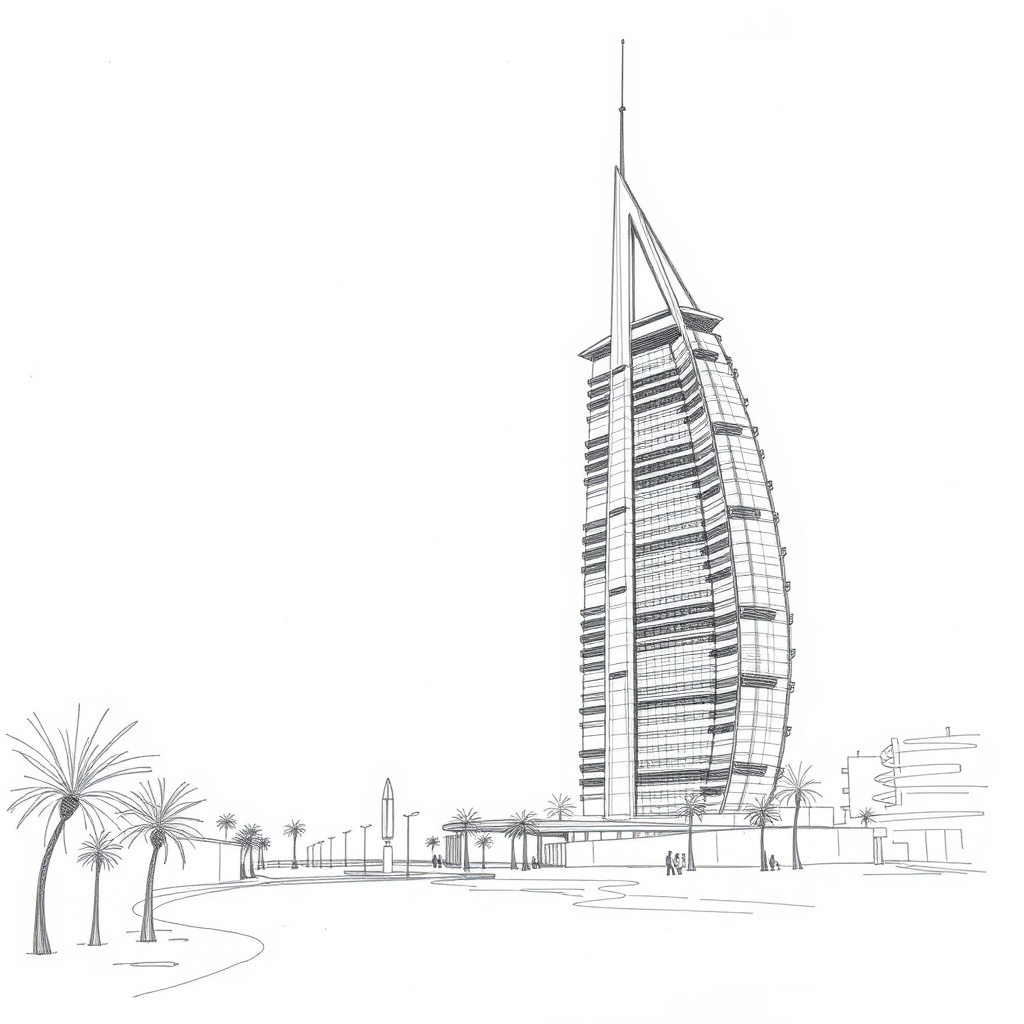
What to see and do
– Iconic landmarks: Visit the observation platforms and waterfront promenades that showcase Dubai’s vertical architecture. The Palm-shaped island and the city’s waterfront districts are major draws for sightseeing and photography.
– Cultural neighborhoods: Explore restored heritage areas with narrow lanes, art galleries, and museums that reveal the emirate’s maritime and trading past.
A traditional dhow cruise on the creek or an evening in a spice-filled market offers a memorable contrast to the ultra-modern parts of the city.
– Desert experiences: Desert drives, guided dune hikes, and starlit dinners remain popular — look for operators that emphasize sustainability and respectful interaction with local ecosystems.
– Food scene: Dubai’s culinary landscape is diverse and dynamic, featuring everything from Emirati fine dining to pan-regional and global cuisines. Seasonal food festivals and high-profile chef-led restaurants coexist with neighborhood eateries serving authentic flavors.
Sustainability and smart-city momentum
Dubai has been investing heavily in sustainable urban systems and smart infrastructure. Large-scale solar projects and distributed rooftop installations are increasingly common, supporting cleaner energy for commercial and residential areas. The city’s public transit network — including driverless metro lines and an expanding tram system — makes car-free movement practical for many visitors. Expect to see more electric vehicle charging points, green building practices, and urban greening initiatives that aim to reduce heat islands and preserve water through efficient landscaping and desalination synergies.
Business and residency appeal
Dubai’s strategic location, robust logistics, and numerous free zones make it a strong base for companies targeting regional markets.
Long-term residence options for investors, entrepreneurs, and skilled professionals add predictability for those planning to relocate. Business travelers appreciate the efficient airports, co-working ecosystems, and event facilities that host trade shows and conferences year-round.
Practical tips for visitors
– Transport: Use the metro, tram, and buses for reliable, affordable travel. Taxi apps and ride-hailing services provide flexible options for door-to-door trips. A reloadable transit card simplifies payments across modes.
– Dress and etiquette: Dress modestly in traditional areas and government buildings; resort wear is acceptable at beach clubs and hotels.
Respect local customs, especially during religious observances.
– Payments and tipping: Cards are widely accepted; small cash amounts are useful for markets and tips. Tipping around 10% is customary in restaurants when service charge isn’t included.
– Safety and laws: Dubai is safe for visitors, but laws and regulations differ from many Western countries — be mindful of public behavior, and avoid illegal substances and actions that could be misinterpreted.
Why Dubai continues to attract
The city’s appeal rests on its ability to evolve quickly while maintaining a clear identity: an efficient hub for business, an experimental stage for urban innovation, and a hospitality magnet for travelers seeking variety — from cultural discovery to luxury relaxation. Whether you’re visiting for a short stay or considering a longer move, Dubai mixes convenience, spectacle, and opportunity in ways that keep people coming back.