The Middle East hotel scene is evolving rapidly, blending age-old hospitality with cutting-edge design, technology, and sustainability. Travelers and investors alike are noticing a clear shift: hotels are no longer just places to sleep—they’re cultural hubs, wellness destinations, and platforms for hyper-local experiences.
What’s shaping hotels across the region
– Experiential luxury: Guests increasingly seek authentic connections with local culture. Hotels answer with curated programs—private souk tours, chef-led market trips, and in-house art residencies—that turn a stay into an immersive experience. Luxury now equals story as much as status.
– Sustainability and resource efficiency: Water scarcity and energy demands push operators to invest in desalination-smart systems, solar arrays, greywater recycling, and low-flow fixtures. Green certifications and transparent sustainability reporting are becoming important booking filters for eco-conscious travelers.
– Wellness and restorative stays: Beyond spas, wellness programming spans medical wellness partnerships, sleep optimization in-room amenities, and holistic food menus that reflect local culinary traditions. Hotels market uninterrupted wellness journeys, appealing to both leisure and bleisure guests.
– Tech-enabled convenience: Contactless check-in, smart-room controls, mobile keys, and integrated loyalty apps streamline the guest journey. Back-of-house automation and AI-enabled revenue management help hotels optimize occupancy and personalized offers, while digital concierge services enhance guest engagement.
Regional distinctions to watch
– Gulf cities: Mega-resorts, branded palaces, and ultra-luxury experiences dominate, supported by major tourism investments and global brand partnerships.
There’s significant demand for scale and spectacle—flagship hotels designed to impress international visitors and MICE delegates.
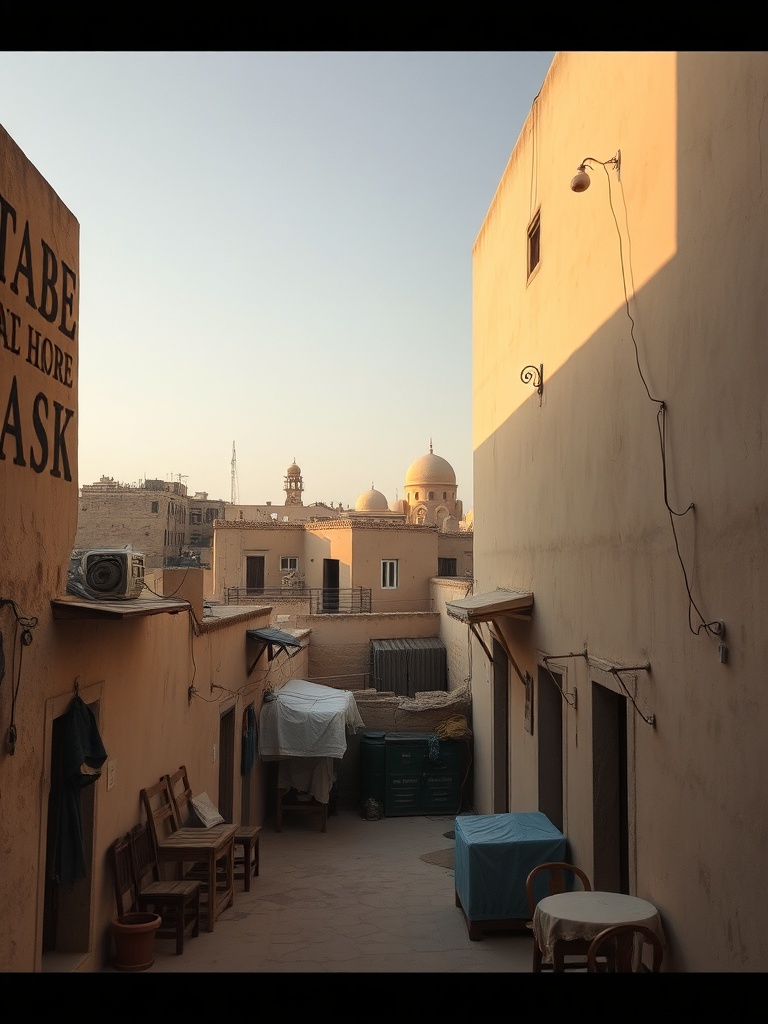
– Levant and North Africa: Boutique and heritage hotels are flourishing, especially in historic districts and coastal towns. Restored riads and converted townhouses emphasize authenticity, local craftsmanship, and slower-paced, culturally immersive stays.
– Emerging secondary markets: Smaller cities are attracting investment with unique niche offerings—eco-lodges, desert retreats, and vineyard-adjacent boutique hotels—appealing to travelers who want off-the-beaten-path experiences without sacrificing comfort.
Operational realities and industry challenges
Seasonality remains a fundamental challenge, with demand spikes around cultural festivals and summer travel patterns. Workforce localization initiatives and visa policy changes influence staffing strategies and guest flows. Political stability and safety perceptions continue to be decisive factors for international travelers and corporate bookers. Meanwhile, balancing high-end service expectations with cost pressures requires smarter purchasing, energy management, and local supplier partnerships.
What travelers should look for when booking
– Authentic experiences: Choose hotels that showcase locally sourced cuisine, cultural programming, and partnerships with nearby artisans or tour operators.
– Sustainability credentials: Look for hotels with transparent water and energy policies, recycling programs, and green certifications.
– Wellness offerings: Evaluate in-room sleep features, on-site wellness facilities, and availability of nutrition-focused dining.
– Flexible policies and loyalty benefits: Favor properties offering flexible cancellation and clear loyalty perks that match travel frequency and purpose.
Why hotels matter beyond overnight stays
Hotels are increasingly community anchors—creating jobs, preserving heritage architecture, and promoting regional gastronomy.
For travelers, they are gateways to deeper cultural understanding; for investors and operators, they are platforms for innovation and long-term value creation.
Whether seeking a luxury city landmark, a tranquil desert camp, or a boutique stay in a historic quarter, the Middle East’s hotel landscape offers a dynamic mix of tradition and modernity. Savvy travelers focus on experience, sustainability, and authenticity when choosing where to stay.