Choosing the expat lifestyle opens a world of opportunity, but it also brings practical challenges that affect daily life. Whether relocating for work, love, retirement, or adventure, focusing on a few core areas makes the transition smoother and more sustainable.
Money and banking
Getting finances right reduces stress and increases freedom. Open a local bank account soon after arrival to simplify bills and rent payments. Keep an international account or multi-currency card for transfers and travel; many services now offer low-fee FX and instant transfers.
Be proactive about tax residency: research reporting obligations both at home and abroad and consider consulting an international tax advisor if income is complex. Build an emergency fund in an accessible currency and automate savings when possible.
Housing and cost of living
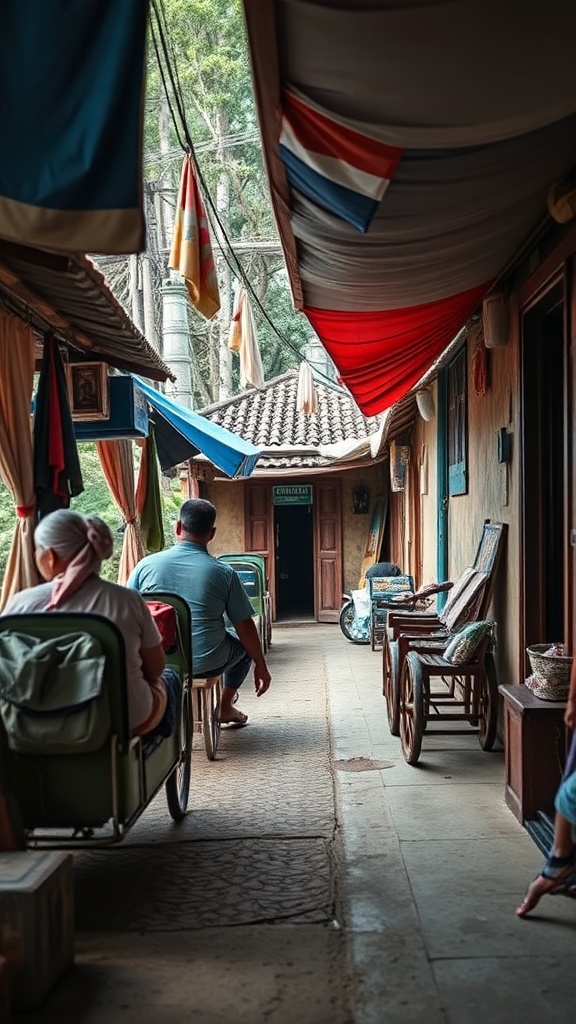
Do research on neighborhoods that suit lifestyle priorities—commute time, safety, schools, or nightlife. Short-term rentals provide breathing room while house-hunting; use local agents and community groups to discover listings that don’t always appear on global platforms. Understand lease norms (deposit requirements, renewal terms, utility responsibilities) and negotiate where appropriate. Track local prices for groceries, transport, dining out, and services so budgeting reflects reality rather than assumptions.
Healthcare and insurance
Access to quality healthcare varies widely. Register with local providers and learn how the health system operates—public vs private care, referral pathways, and emergency protocols.
For predictable costs and peace of mind, secure international health insurance that covers repatriation and pre-existing conditions when possible. Keep digital and paper copies of medical records and prescriptions, and know how to get local language translation support for appointments.
Work, productivity, and visas
Confirm visa requirements and work permissions before committing long-term. Remote work continues to be viable for many expats; ensure contracts, time zones, and data security are clear. Design a workspace that supports focus and separates work from home life.
For career development, join local professional networks and attend meetups to keep skills current and expand opportunities.
Building community and social life
Isolation is common early on. Join expat groups, hobby clubs, and language exchanges to meet people who understand the transition. Volunteering offers a way to give back while connecting with locals. Prioritize a few high-quality relationships over many superficial ones—consistent activities such as weekly language cafés or a sports league build deeper bonds.
Cultural adaptation and language
Learn essential phrases before arrival and commit to regular practice. Cultural intelligence—observing social norms, etiquette, and communication styles—reduces misunderstandings and speeds integration. Be curious and open to local routines while maintaining aspects of your own culture that provide comfort. Small gestures like using local greetings or trying regional foods go a long way.
Mental health and routine
Change affects routines and identity. Establish a daily rhythm with regular sleep, exercise, and hobbies. Keep digital contact with family and friends back home, but also set limits to avoid comparing experiences. If feelings of loneliness or anxiety persist, seek local mental health professionals—many offer teletherapy in multiple languages.
Living abroad offers continuous learning and growth. By planning finances, securing health coverage, building a social life, and staying adaptable, the expat lifestyle becomes not just sustainable but richly rewarding.