The hospitality landscape across the Middle East keeps evolving, offering a striking mix of ultra-luxury resorts, boutique hideaways, and heritage properties that appeal to leisure travelers, business guests, and cultural explorers alike. Whether you’re seeking dune-front seclusion, a vibrant city base, or a restored riad, Middle East hotels are focusing on experiences that go beyond a comfortable bed.
Sustainability and wellness as differentiators
Sustainable hospitality is now a core selling point for many Middle East hotels. From solar-powered resorts and desalination-aware water practices to zero-waste kitchens and certified green-building standards, properties are reducing their environmental footprint while enhancing guest comfort.
Wellness programs extend beyond spas: expect comprehensive sleep and nutrition offerings, outdoor fitness, and immersive wellness retreats that integrate local healing traditions.
Technology and seamless personalization
Contactless check-in, mobile keys, in-room automation, and AI-driven personalization are being used to create frictionless stays. Hotels leverage guest data to anticipate preferences—room temperature, pillow type, dining preferences—without sacrificing privacy. For travelers who blend work and leisure, strong Wi‑Fi, hotel business centers, and private workspaces are now standard.
Experiential travel and cultural authenticity
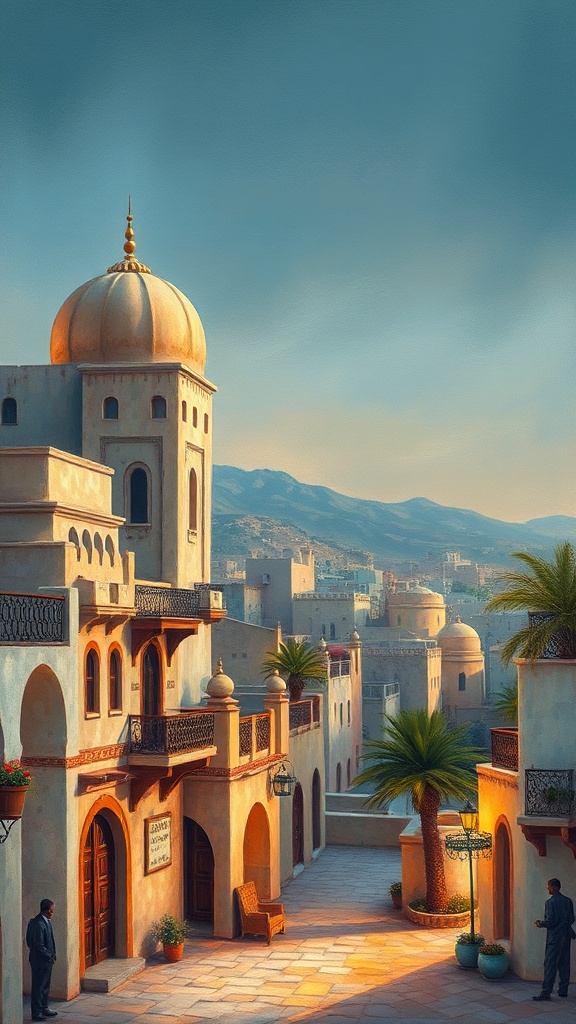
Middle East hotels are leaning into locally rooted experiences: guided souk tours, private cooking classes with regional chefs, heritage site access, and curated cultural nights that showcase music, art, and storytelling. Adaptive reuse of historic buildings—palaces, forts, and traditional houses converted into boutique hotels—creates deeply atmospheric stays that feel authentic and Instagram-ready.
Culinary draws
Food is a major reason to book. Many hotels collaborate with celebrated local and international chefs to deliver menus that celebrate regional ingredients and culinary traditions.
Expect tasting menus, market-to-table concepts, and immersive dining like desert banquets and rooftop supper clubs that pair panoramic views with inventive flavors.
Design, art, and storytelling
Design-led hotels emphasize narrative-driven interiors: contemporary takes on traditional motifs, locally commissioned artworks, and public spaces designed for social interaction.
Art programs, rotating exhibitions, and hotel-hosted cultural events make properties cultural destinations in their own right, attracting both guests and local visitors.
Business travel, MICE, and bleisure
Hotels are redesigning meeting spaces to be more flexible and tech-enabled, catering to a mix of conferences, incentives, and hybrid events. Bleisure travellers find plenty of options that pair efficient work facilities with leisure add-ons—spa vouchers, guided city walks, and curated shopping experiences.
Practical tips for travelers
– Book directly when possible to access flexible cancellation, room upgrades, and loyalty benefits.
– Check hotel sustainability credentials and wellness offerings if these matter to your trip.
– Be mindful of local customs and religious observances—hotels often provide guidance on dress codes and dining hours during seasonal observances.
– Ask about transport options; many hotels offer airport transfers, shuttle services, or private driver arrangements.
– For unique stays, consider heritage properties or desert camps for an immersive cultural experience.
Why it matters
Middle East hotels are redefining luxury and authenticity by combining high-tech service with locally grounded experiences. Whether you’re planning a business trip, a wellness escape, or a cultural journey, the region’s hotels now offer more choice and richer storytelling than ever before—making stay selection as much about the experience as the destination.