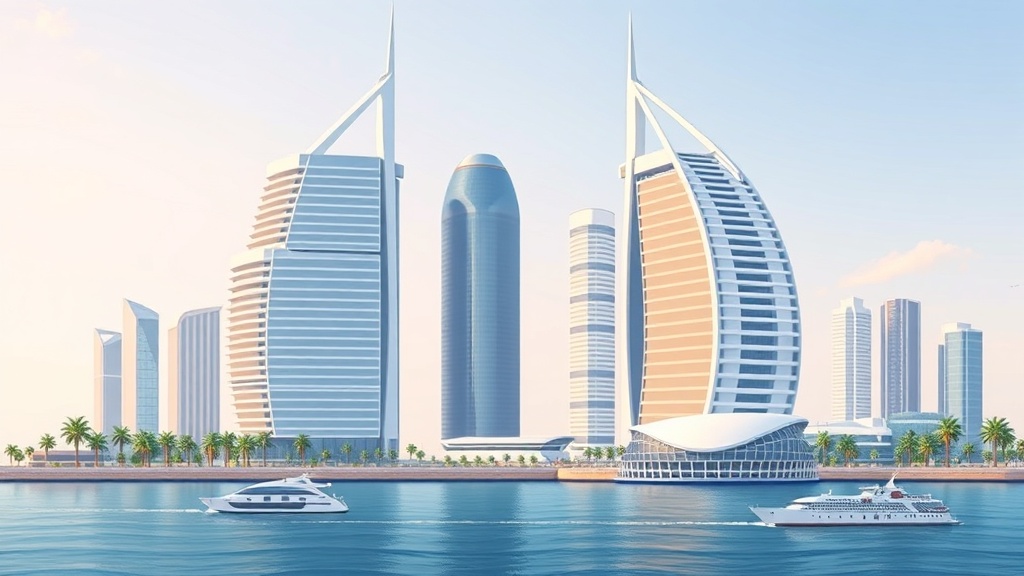
Dubai is redefining the skyline of modern cities by pairing iconic architecture with a growing commitment to sustainability.
As global attention turns toward resilient urban development, Dubai is positioning itself as a laboratory for green technologies, smart infrastructure, and climate-conscious planning that keeps economic growth and environmental stewardship in balance.
A roadmap for green energy
At the heart of Dubai’s strategy is a major effort to diversify energy sources.
Large-scale solar installations and distributed rooftop photovoltaic systems are reshaping the city’s power mix, supported by utilities and developers focused on integrating renewable generation with storage and smart-grid solutions. These investments lower operational costs for buildings and reduce reliance on fossil fuels, while energy-efficiency regulations push new projects to meet higher performance standards.
Greener buildings and sustainable neighborhoods
Sustainable building standards are becoming a baseline expectation for developers. Green certifications, adaptive building envelopes, high-performance glazing, and efficient HVAC systems are now commonly used to reduce energy consumption and operating costs.
Mixed-use communities that prioritize walkability, public transport access, and mixed housing options are emerging, demonstrating how urban design can cut carbon footprints while boosting quality of life. Model projects that showcase renewable energy, water recycling, and shared green spaces offer templates for scalable development across the region.
Water, waste and circular practices
Water conservation is a priority in an arid environment. Advanced desalination technologies, improved leak detection, greywater reuse, and landscape design with native species help reduce freshwater demand.
On the waste front, initiatives to improve recycling rates and convert organic waste into energy or compost are gaining traction. The growing focus on circular-economy practices encourages manufacturers and service providers to rethink materials, packaging, and product lifecycles.
Mobility reimagined
Sustainable mobility plays a major role in Dubai’s environmental agenda. Expanded metro service, bus rapid transit corridors, extensive cycling paths, and electric-vehicle infrastructure are part of a multimodal approach to cut traffic congestion and emissions. Trials of autonomous transport and increased incentives for EV adoption show a commitment to reducing the carbon intensity of city transport while improving accessibility.
Public-private partnerships and technology
Collaboration between public agencies, private developers, and international technology firms accelerates deployment of green solutions. Smart-city platforms use data and sensors to optimize energy use, manage traffic, and monitor environmental conditions. These systems help planners make evidence-based decisions and provide residents with better services and transparency.
Economic and lifestyle benefits
Sustainability measures bring clear economic benefits: lower utility bills, reduced operational risks, and stronger appeal for tenants and tourists who prioritize eco-conscious destinations. Green neighborhoods tend to attract higher long-term investment and deliver healthier living environments through better air quality, accessible green space, and reduced noise.
What to watch next
Expect continued scaling of renewable projects, deeper integration of storage and smart-grid technologies, and broader adoption of circular-economy practices. As more developments demonstrate financial and social returns from sustainability, these practices will move from niche to mainstream, shaping how Dubai grows and how residents experience the city.
Dubai’s approach blends bold infrastructure, policy innovation, and private-sector dynamism to create a more resilient, efficient, and livable urban environment — one that seeks to balance ambition with the practical steps needed to thrive in a changing climate.